repressions in Crimea
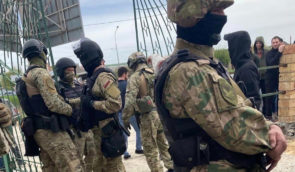
Russia has been suppressing freedom of expression and religion during years of temporary occupation in Crimea – UN and Amnesty International
In temporarily occupied Crimea, Russia has significantly curtailed the space for civil society to function, including criticizing or advocating. Media outlets have been shut down, disproportionately impacting Crimean Tatar and Ukrainian communities' rights to free expression, information access, and cultural expression
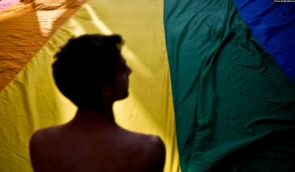
“There are no LGBTQ+ people in Crimea”: Russia cracked down on the LGBTQ+ сommunity in the temporarily occupied peninsula
As of 2014, the number of representatives of the LGBT+ community in Crimea amounted to approximately 16,200 persons. However, the number of people who remain in the territory in 2023 is unknown

A decade of repressions: Crimean Tatars and Ukrainains targeted in Russia’s brutal crackdown on dissent
Amnesty International stated that with international crimes, Russia has attempted to change the ethnic makeup of Crimea while suppressing non-Russian identities on the peninsula, including through restricting education in Ukrainian and Crimean Tatar languages, attacking religious minorities, stifling media and culture, as well as undermining representative institutions and abusing the criminal justice system
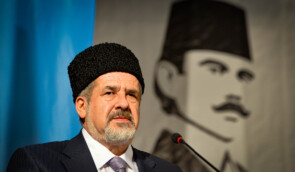
UN ruling might fuel Crimean Tatar persecution by Russia – Chairman of Mejlis Refat Chubarov
Chubarov believes that in the current circumstances, the best "trial" for the Russians is the Ukrainian Armed Forces

Kyiv responds to Slovak PM who suggested concession against the territorial integrity of Ukraine
The Slovak prime minister noted that he intends to announce at the meeting with his Ukrainian counterpart Denys Shmyhal that he will block Ukraine's accession to NATO in every possible way
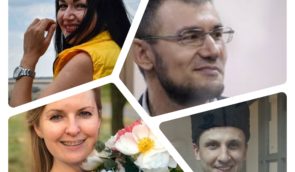
Silent suffering: Crimean human rights defenders and a humanitarian volunteer from Kherson deprived of adequate medical care in Russian captivity
Front Line Defenders, Human Rights Watch and Physicians for Human Rights strongly condemn the denial of adequate medical care to human rights defenders in captivity in Russia

A story of Oleksandr Tarapon from Crimea, illegally convicted by Russia
On October 21, 2022, the occupation court of Alushta sentenced Oleksandr Tarapon to 2.5 years in a strict regime colony. He was charged with Article 207.3 (part 1) of the Criminal Code of the Russian Federation, namely, “public dissemination of knowingly false information about the use of the Armed Forces of the Russian Federation and the exercise of powers by state bodies of the Russian Federation.”
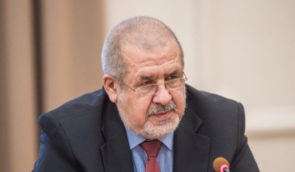
Reclaiming Crimea: the path to restoration and unity
All foreigners or stateless persons who have settled in the occupied Crimea and other temporarily occupied territories of Ukraine have deliberately committed a crime and must immediately leave Crimea, Refat Chubarov says
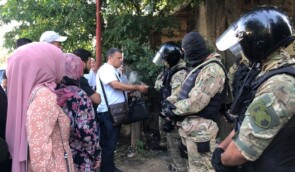
Russia is slowly killing the Crimean Tatar people in the temporarily occupied peninsula – Mufti of Crimea
The Mufti of Crimea and Chairman of the Religious Administration of Muslims in Crimea, Aider Rustemov, declared that Russia is systematically oppressing the Crimean Tatar people in the temporarily occupied peninsula
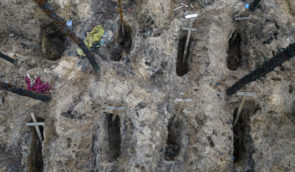
States from all continents urged to join the coalition to create a special tribunal for Russia
Ambassador-at-large of the Ministry of Foreign Affairs of Ukraine Anton Korynevych stresses the need to join forces to demonstrate that dictatorial regimes are responsible for their crimes, and thus, together with international partners, the world needs to prevent future conflicts and wars
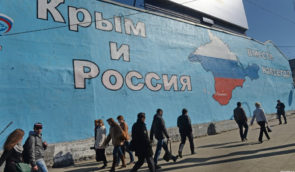
Fines and imprisonments: How Crimeans are persecuted for the truth about the war in Ukraine and dissatisfaction with the occupation
Consideration of protocols on administrative offense for 'discrediting the Russian army's actions' in the illegal "courts" on the Crimean Peninsula is connected with systemic violations of main standards of access to fair justice, the Crimean Process claimed
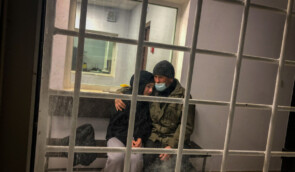
Over the past two years, 10 mass detentions of Crimean Tatars registered in Crimea
Since the beginning of 2021, at least 10 mass detentions have occurred in the temporarily occupied Crimea. Most incidents occurred near the buildings of Russia’s government institutions
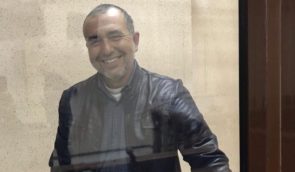
Political prisoner Rustem Seytmemetov’s health deteriorates
Zera and Rustem Seytmemetov’s daughters came to see him in prison No. 1 in Dimitrovgrad, Ulyanovsk region, Russia. The youngest daughter, Beyan, has not seen her father since his arrest in 2020 when she was two and a half years old. Now the girl is six
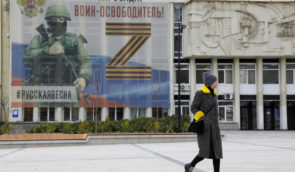
Crimean Human Rights initiative sounds alarm over decreasing healthcare for civilians in occupied Crimea
According to Qirim Gayesi, the maintenance of healthcare institutions has been severely compromised since the onset of the Russian invasion. Heads of medical institutions in Crimea were instructed to send surgeons and surgical nurses to the Ministry of Defense of the occupying country
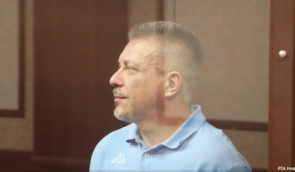
Crimean political prisoner Dmytro Shtyblikov is kept isolated
Human rights defenders recall that on November 8, 2021, Dmytro Shtyblikov was to be released after serving a five-year sentence
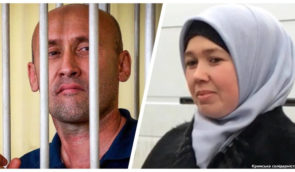
The health of political prisoner Zevri Abseitov has significantly deteriorated
Fatma Abseitova, Zevri’s wife, visited her husband with their children in Stavropol colony No. 1 in the village of Kochubeevskoye in the Russian Federation
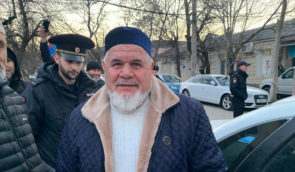
Russian occupying forces in Crimea detained 66 Crimean Tatars since January 2023
Crimean human rights activists recorded 140 cases of arrests on the peninsula, 93 of which were against members of the indigenous Crimean Tatar people. There were also 37 searches, 29 of them in the homes of Crimean Tatars
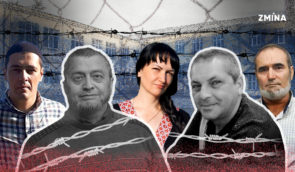
Gafarov-Shyring list: how Russia is killing political prisoners in Crimea
Tetyana Pechonchyk emphasized the importance of publicizing information about political prisoners. In her opinion, it is essential to tell the stories of illegally imprisoned Ukrainian citizens, spread them on social media and abroad, put pressure on Russia, initiate new resolutions of the European Parliament, and raise issues at the level of the OSCE and UN bodies so that Ukrainian citizens, political prisoners at risk with complex diseases, are released first and unconditionally

Columns

Fighting a ‘holy war’: Why a sacralised war resists Western strategy
“Reaching an agreement with the US on what we disagree on”: What the campaign against ICC means for Ukraine
ICC must remain free from political pressure to bring justice to victims of world’s gravest crimes
Only 5% of those responsible for deporting Ukrainian children face global sanctions