prisoners of the Kremlin
The Ombudsman received over 1,300 complaints about shortcomings in the system of state protection of civilians released from captivity
Civilians released from Russian captivity are unaware of and do not use forms of social support from the Ukrainian state
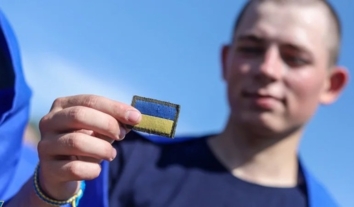
Among civilians released in the “1000 for 1000” exchange, one political prisoner, 15 inmates, and the remaining were Ukrainians who had already served their sentences in Russia
The civilians released during the "1000 for 1000" exchange, there was one political prisoner, 15 inmates, and Ukrainians who had already completed their sentences in Russia
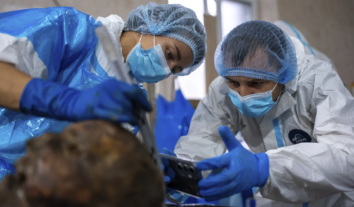
Ukrainian prisoners of war are dying in Russian prisons from tuberculosis, infections, asphyxiation, and head injuries – Associated Press
Autopsies conducted on the returned remains of Ukrainian prisoners of war who died in Russian prisons reveal they died from tuberculosis, infections, asphyxiation, and head injuries
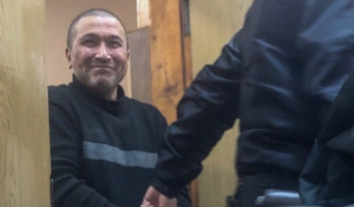
Russians illegally detain Crimean activist Yunus Masharipov in a psychiatric hospital for five years
Russian security forces also use compulsory psychiatric treatment and commitment to psychiatric hospitals to persecute Crimean Tatars in temporarily occupied Crimea
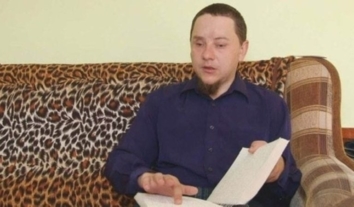
Blind political prisoner Oleksandr Sizikov sent to tuberculosis hospital for examination
Sizikov has been using a blood pressure monitor more frequently, indicating that he has high blood pressure. Doctors prescribed him medication for hypertension and promised to provide him with the pills he brought with him
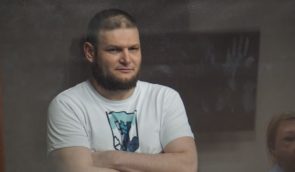
Kremlin’s prisoner, journalist Remzi Bekirov, reports violations of Muslims’ rights in Russian colony
For now, Bekirov manages to eat iftar during the general mealtime in the dining hall at 7:00 p.m. However, the lawyer noted that due to the increasing daylight hours, he will no longer be able to eat with the rest of the prisoners in the evening by the end of March
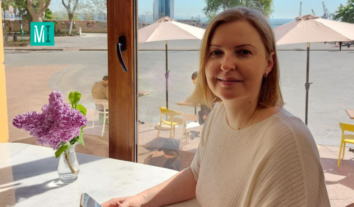
Ukrainian activist Iryna Horobtsova, who has brain aneurysm, denied treatment at Simferopol pre-trial detention center No. 1
Olena Korniy reveals that her sister had been diagnosed with a brain aneurysm before Russia's full-scale invasion. Recently, fellow inmates helped Horobtsova during a severe cardiac episode, when she lay curled up in pain. Medical staff ignored her requests for assistance

A story of Oleksandr Tarapon from Crimea, illegally convicted by Russia
On October 21, 2022, the occupation court of Alushta sentenced Oleksandr Tarapon to 2.5 years in a strict regime colony. He was charged with Article 207.3 (part 1) of the Criminal Code of the Russian Federation, namely, “public dissemination of knowingly false information about the use of the Armed Forces of the Russian Federation and the exercise of powers by state bodies of the Russian Federation.”

Over 30 citizens of Ukraine are persecuted for participation in the Noman Çelebicihan Crimean Tatar Volunteer Battalion
ZMINA discusses below one form of political persecution in the temporarily occupied territories, which includes cases related to the Noman Çelebicihan Crimean Tatar Volunteer Battalion
In Crimea a new criminal case was opened against Ukrainian activist Volodymyr Balukh
Head of the Rozdolnensky isolator filed a complaint
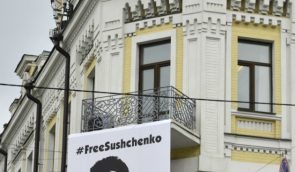
Court in Moscow Extended Sushchenko’s Detention for Another 3 Months
Ukrainian journalist managed to communicate with political prisoner
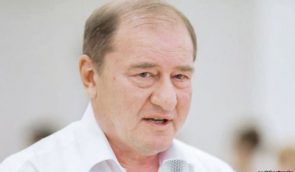
Trial against Umerov: lawyers justified the incompetence of experts from the FSB
According to the evidence, the expert had neither the right nor the ability to make an expert opinion

Preliminary trial of Umerov: judges rejected all motions
Thus, a motion was submitted to postpone the court hearing due to the absence of two lawyers
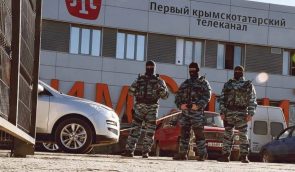
Four Ukrainians in Crimea may be imprisoned for expressing their thoughts
Interrogations, searches, mass media blockages on the internet, prohibitions on filming - the "usual" practice of pressuring journalists in the Crimea
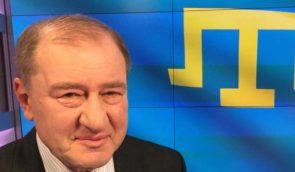
Ilmi Umerov served an indictment
Ilmi Umerov, Deputy Chairman of the Mejlis, was handed an indictment
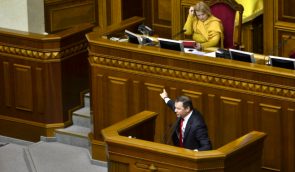
Journalist of UNIAN and a cameraman of “1+1” TV channel detained in Moscow
Postgraduate student, who hanged out Ukrainian flag, was also detained with journalists
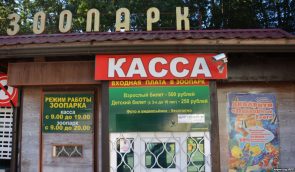
Amnesty International: number of human rights violations in Crimea increased drastically
International community should explore every available opportunity for effective monitoring of the human rights situation in Crimea
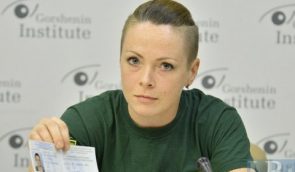
In Simferopol Crimean Tatar was arrested for publication on “VKontakte” social network
Defense asked to interrogate the expert, who made the expert analysis on the publications in social networks. Court rejected the request

Columns

Fighting a ‘holy war’: Why a sacralised war resists Western strategy
“Reaching an agreement with the US on what we disagree on”: What the campaign against ICC means for Ukraine
ICC must remain free from political pressure to bring justice to victims of world’s gravest crimes
Only 5% of those responsible for deporting Ukrainian children face global sanctions