Ukrainians
Resident of temporarily occupied Crimea Nestor Shtormovyi sentenced to 20 years in prison over filming a TikTok video
The Russian prosecution alleges that the video was intended to discredit the Russian authorities and their policies, challenge Russia’s claim to Crimea and portray the Russian army negatively

Ukrainian police and emergency services defend restrictions on journalists’ access to rescue sites, citing 42 police and rescue workers killed in repeat Russian strikes
Meeting participants also addressed the dissemination of information about the aftermath of Russian attacks on social media. Media representatives noted that journalists follow rules on delaying the publication of sensitive information, whereas anonymous Telegram channels often circulate videos and details about strike locations immediately

Russian prosecutors initiate procedures to cancel Ukrainian court rulings
This practice was announced by Oleg Logunov, head of the personnel department at Russia’s Prosecutor General’s Office, during a meeting of the Federation Council Committee on Constitutional Legislation and State Building
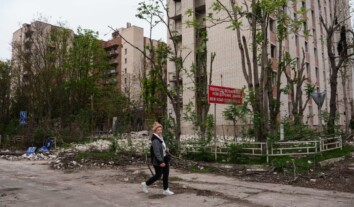
Some Oleshky residents unable to evacuate report lack of information and fear of Russian filtration
The situation in the occupied Oleshky "hromada", a local government area that includes one or more nearby settlements, remains dangerous. She reported that after the ceasefire ended, a drone strike reportedly killed a former headteacher, Kostiantyn Melnyk, based on information the administration received
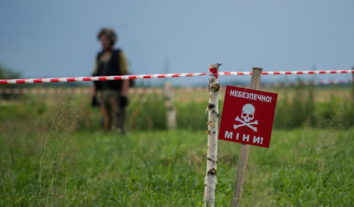
Landmines and other explosive items have killed 510 people in Ukraine since full-scale invasion
Since the start of the full-scale war, landmines and other explosive ordnance have killed 26 children: 25 boys and one girl. A further 145 children have been injured – 125 boys and 20 girls
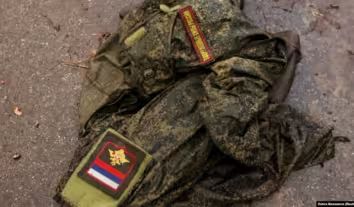
Ukrainian children in occupied Sevastopol tasked with designing Russian military patches
As part of the project, a so-called "Lesson of Courage" was held for young people, during which Mikhail Sukhenko, a participant in the illegitimate war against Ukraine, spoke to the children. He talked to them about the Russian Federation as the 'homeland', and emphasised duty and responsibility to it
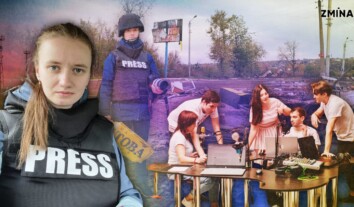
Jammed, then struck: how Bakhmut’s Free Radio reinvented itself as a watchdog
Anastasiia Shybiko, co-founder and director of Free Radio, told ZMINA how the outlet continues to operate without its radio broadcasts, how it prompts officials and government representatives to correct their mistakes, and how it pushes local authorities in Donetsk Oblast to become more transparent and responsive to residents
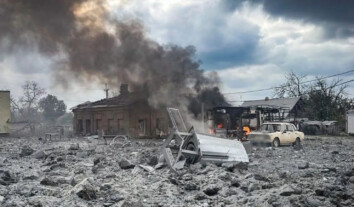
Bodies of at least 42 people recovered from rubble of school destroyed by Russian strike in Komyshuvakha
Law enforcement officials reported that search and rescue operations at the site of the destroyed school are continuing
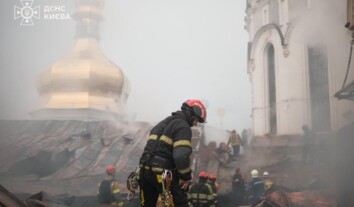
Russian forces have killed about 120 Ukrainian clergy members since Russia launched its full-scale invasion, Zelenskyy says
According to data from the Ministry of Culture of Ukraine, Russia's full-scale aggression had damaged or destroyed 2,138 cultural heritage sites by the end of August 2026. Of these, 47 were completely destroyed

Amnesty International calls on Russia to end its systematic attacks on Ukrainian energy infrastructure
During the winter of 2025–2026, the Russian Armed Forces carried out at least 423 attacks on electricity infrastructure and 74 strikes on heating facilities, according to UN monitoring
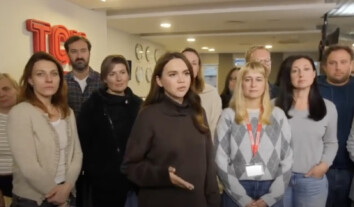
More than 50 Ukrainian journalists urge colleagues to maintain war coverage
The media workers criticised publications that describe Ukrainian strikes on Russian oil refineries as "madness," while Russian attacks on schools, hospitals and residential neighbourhoods do not receive proper attention
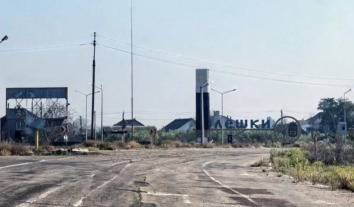
Bodies of 47 civilians from Oleshky moved to occupied Henichesk, Kherson Oblast
The circumstances of these people's deaths and the reasons why their bodies were stored in the hospital basements for a long time are currently unknown
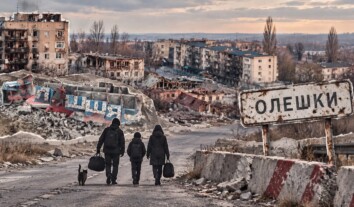
Five hours along a mined road: How a family escaped the blockade of Oleshky and is returning to normal life
Vitalii told ZMINA about life in Oleshky, where hunger had gripped the town for months, as well as his family’s escape from the blockaded town and their recovery in Ukrainian-controlled territory.

Ukraine repatriates 252 bodies that may belong to Ukrainian service members
As of 3 October 2026, Ukraine had returned more than 26,000 bodies and remains of the deceased from Russia, though a significant portion of them remain unidentified

FSB detains Sevastopol resident over Telegram comments
Russian security forces in occupied Sevastopol have reported the detention of a resident for alleged "public calls for extremist activity" in Telegram comments, a charge that could carry a sentence of up to five years in prison
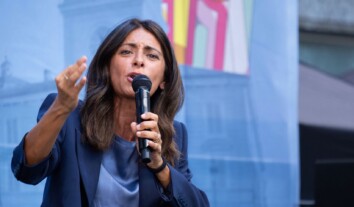
European Parliament vice-president on hunger strike over trapped civilians in Oleshky
Picierno explained that she had decided to go on hunger strike to draw international attention to the emergency in the town
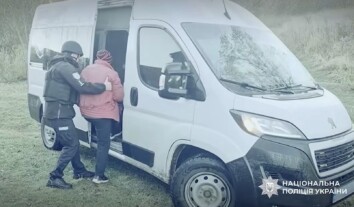
Police White Angel unit evacuates eight seniors in Sumy Oblast
The White Angel special unit continues to assist border residents who, because of their circumstances, cannot leave the dangerous area on their own
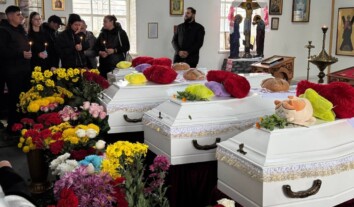
Funeral held in Dnipropetrovsk Oblast for five children killed by Russian missile
In the settlement of Radushne, Kryvyi Rih District, a Russian Iskander-M ballistic missile hit the Voronov family’s residential house directly, almost completely destroying it

Columns

Fighting a ‘holy war’: Why a sacralised war resists Western strategy

“Reaching an agreement with the US on what we disagree on”: What the campaign against ICC means for Ukraine

ICC must remain free from political pressure to bring justice to victims of world’s gravest crimes
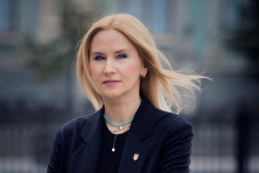
Only 5% of those responsible for deporting Ukrainian children face global sanctions