Four Ukrainian сhildren return from Russian-occupied territories with U.S. First Lady’s support
On July 31, 2026, four children from the temporarily occupied territories of Donetsk, Luhansk and Kherson Regions (Oblasts) returned to Ukrainian-controlled territory. This is the fifth return facilitated by the US First Lady, Melania Trump, according to the White House, and the initiative of Ukraine’s President, Bring Kids Back.
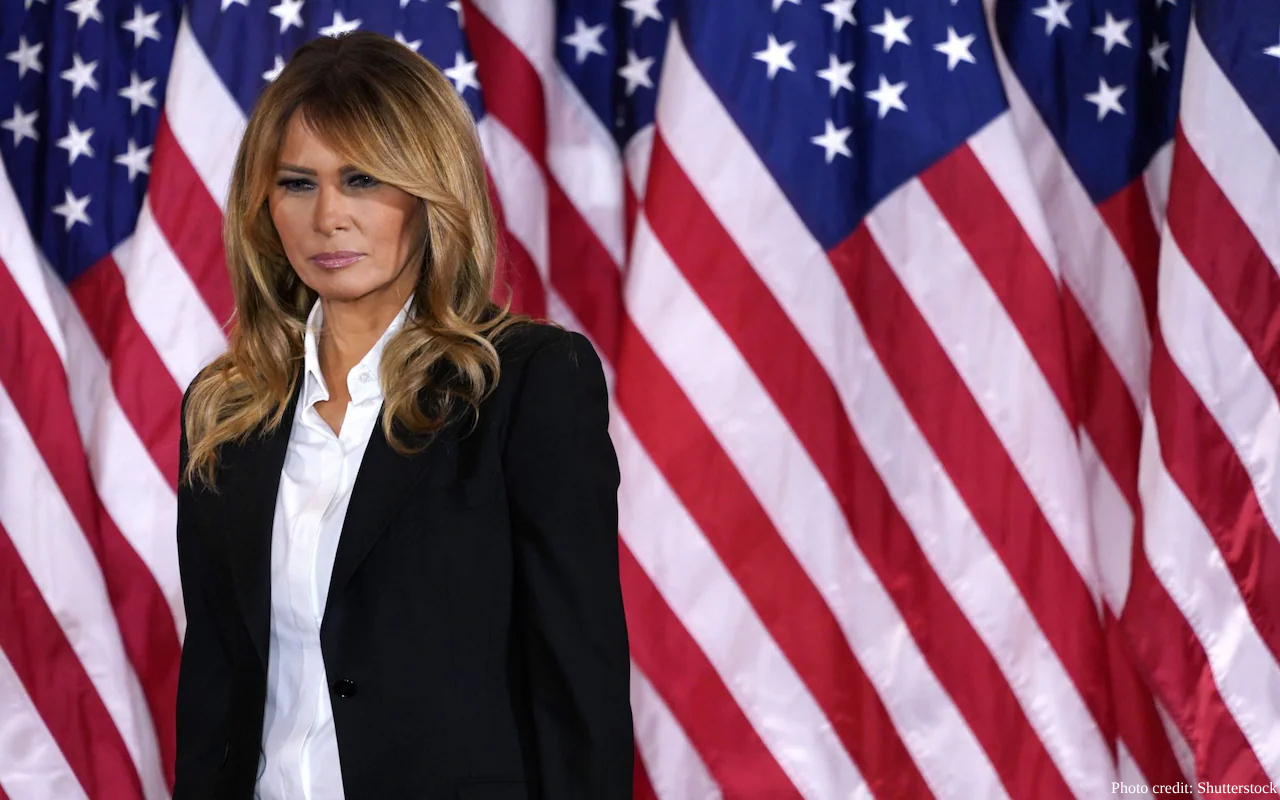
The work to bring them back was carried out under the Bring Kids Back UA initiative, with the assistance of the U.S. First Lady, Melania Trump.
The White House noted that the First Lady’s leadership has bridged political divides in pursuit of a singular humanitarian mission: placing the well-being of children above conflict and helping restore families torn apart by war.
These children had been separated from their families for years, and their relatives were unable to collect them on their own.
Bring Kids Back reported that one of the boys was staying with his grandparents when the full-scale war began, in a frontline town in the Donetsk Oblast that the Russians occupied in the first days of the invasion. Guardianship had to be arranged for his aunt so that the child would not be forcibly placed in a Russian orphanage. In 2024, his mother tried to collect her son herself, but Russia barred her from entering both its own territory and Belarus.
Another boy found himself in an occupation at a very young age. In the autumn of 2022, while active hostilities were underway in their town in Kharkiv Oblast, he was staying with his grandparents in Luhansk Oblast and remained in occupied territory. The family could not go and collect him themselves. This child has spent most of his life separated from his parents.
You may also want to read: UN Secretary-General calls on Russia to preserve the legal identity of Ukrainian children and to return them
A girl remained under the occupation with her great-grandmother. Her mother, who was on Ukrainian-controlled territory, spent several years fighting to bring her daughter back. When she tried to enter Russia through a third country, she was refused entry at the border.
Another teenager was left in the occupied Donetsk Oblast without parents: his father died long before the full-scale invasion, and his mother died in late 2025. The boy faced the danger of being placed in a Russian children’s home. Throughout this time, his older sister on Ukrainian-controlled territory waited for him and fought for his rescue.
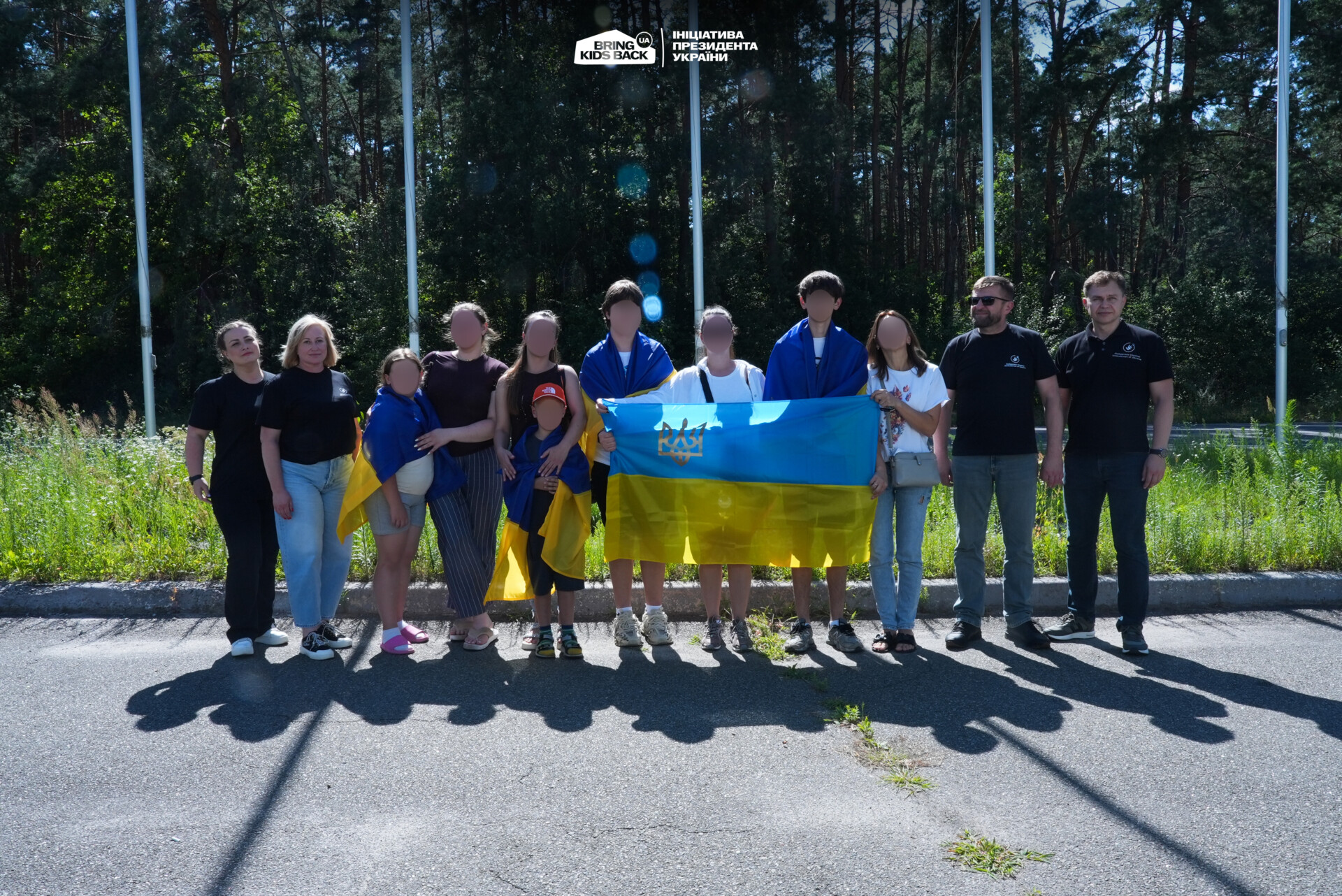
“Behind every return there are years during which Russia deliberately prevented families from collecting their children and put artificial obstacles in their way at every step. That is exactly why the attention of the U.S. First Lady, Mrs Melania Trump, to this issue matters so much. Her voice helps draw the world’s attention to the children Russia is holding against their families’ will,” said Maksym Maksymov, Head of the Bring Kids Back UA initiative.
You may also want to read: Russia’s indoctrination and militarisation of Ukrainian children may amount to a crime against humanity – OSCE
To provide background, international humanitarian law prohibits the forcible transfer and deportation of children and any change to their personal status, and obliges parties to an armed conflict to facilitate the reunification of children with their families. Contrary to these norms, the Russian Federation systematically creates administrative and practical obstacles to the return of Ukrainian children, restricts access to them by parents and legal representatives, conceals information about their whereabouts and state of health, and continues to unlawfully hold children, subjecting them to indoctrination and pressure.
Bring Kids Back UA is an initiative of the President of Ukraine, Volodymyr Zelenskyy, that brings together state institutions, non-governmental organisations, and international partners to secure the return of all Ukrainian children deported or forcibly transferred by the Russian Federation. Under the initiative, 2,415 children who were deported, forcibly transferred or in the temporarily occupied territories have already returned home.
You may also want to read: Not just Ukraine – Russia is preparing Ukrainian children for future wars elsewhere
The Ministry of Justice has verified 20,610 cases of possible deportation and forcible transfer of children by Russia (as of June 2026). This figure is not final — no one but the enemy knows the real number of Ukrainian children abducted by Russia. Russia refuses to provide official statistics, blocks monitoring, denies UN representatives and other independent bodies access to the places where children are held, and does not transmit information to the Central Tracing Agency under the Geneva Conventions.
Stay connected with us via X, BlueSky, and LinkedIn – and while you’re here, please spare five minutes to fill out our survey and tell us what you’d like to see next.