UN Secretary-General calls on Russia to preserve the legal identity of Ukrainian children and to return them
UN Secretary-General António Guterres has urged Russia to cooperate with the United Nations and other actors on the return of Ukrainian children and their reunification with families and guardians, according to his annual report on children and armed conflict. The report covers the period from January to December 2025.
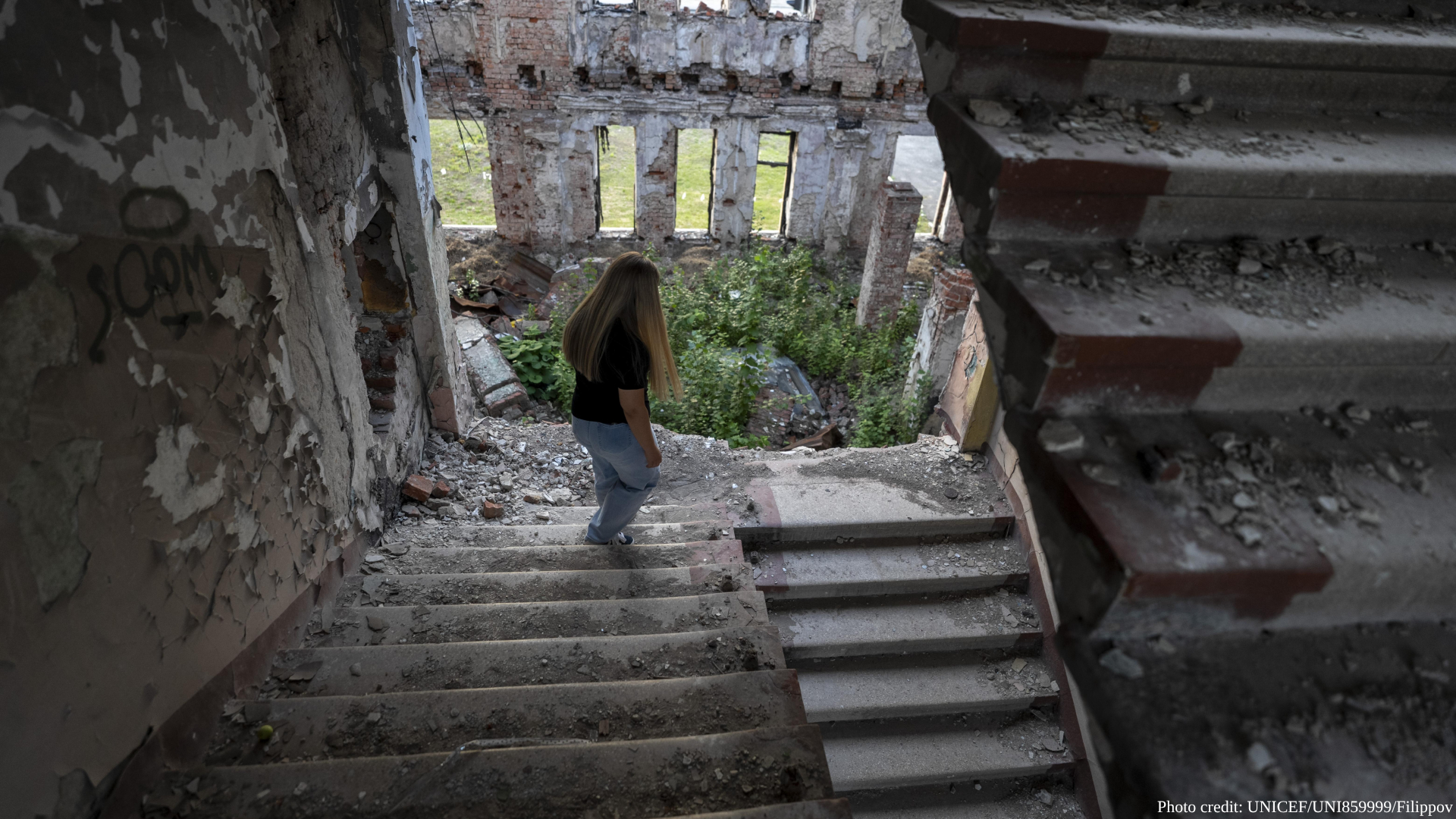
Guterres welcomed reports that Ukraine has returned over 740 children from Russia and from territories temporarily occupied by Moscow. However, he expressed grave concern over children whose whereabouts remain unknown.
“I stand ready to support the efforts of all involved actors in line with General Assembly resolution A/RES/ES-11/9. I further urge the Russian Federation to ensure that no changes are made to the legal status, including nationality and family relationships, of Ukrainian children, including children born in territories of Ukraine temporarily occupied by the Russian Federation. I urge all parties to uphold the principle of the best interests of the child,” António Guterres stated.
The Ukrainian presidential initiative Bring Kids Back UA explained that this is fundamentally important. Changing a child’s citizenship, documents or family status, or transferring children to Russian families, is not a formality or an “administrative procedure.” Rather, these are tools that complicate efforts to identify, locate, and return the children, and to restore their ties to their families and to Ukraine.
Key findings from the UN report in 2025:
Verified violations: The United Nations reported in the document that it verified 1,899 grave violations against 781 children, namely against 447 boys and 334 girls, in 2025.
Children as informants: In addition, the U.N. reported that it verified 24 children – 22 boys and two girls as used by Russian armed forces (4) and unidentified perpetrators (20) as informants to share information on Ukrainian military locations or movements, images of critical infrastructure or military equipment, or making explosives or committing arson against railway infrastructure and vehicles.
Detentions: Thirty-five children – 32 boys and 3 girls – were detained by Ukrainian authorities (28), Russian armed forces (6), and Russian authorities in temporarily occupied territories (1).
Killed and wounded: Moreover, the United Nations has verified that Russian armed forces were responsible for killing and injuring 511 children in Ukraine, including 62 deaths and 449 injuries. A further 230 children were harmed by unidentified perpetrators, with 29 killed and 201 injured. Of these unidentified cases, 173 children were wounded by shrapnel when Ukrainian forces intercepted Russian missiles or loitering munitions. The Ukrainian armed forces were responsible for 12 cases of child casualties, resulting in three deaths and nine injuries.
Overall casualties: The UN documented 753 children killed or maimed – 94 deaths and 659 injuries – with 425 boys and 328 girls among the casualties. The vast majority of injuries (718 cases) resulted from explosive weapons with wide-area effects.
Sexual violence: Russian armed forces were responsible for rape (2) and other sexual violence (6) against four girls.
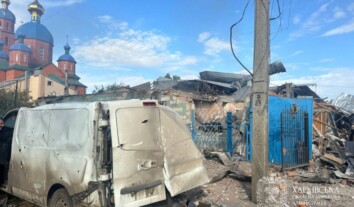
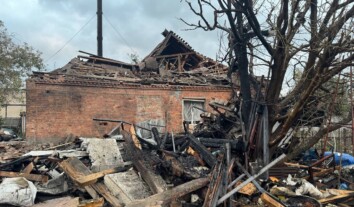
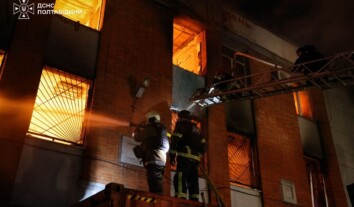
Attacks on civilian infrastructure: Russian armed forces were responsible for 469 of 641 attacks on schools (442) and hospitals (199). The UN was unable to identify the perpetrators of 165 attacks. Ukrainian forces were responsible for seven attacks.
Blocked aid: Russian armed forces blocked humanitarian access in 399 of 473 incidents; Ukrainian forces in 57; unidentified perpetrators in 17. These included attacks on energy infrastructure (429).
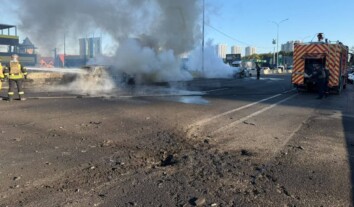
Guterres said he is alarmed by grave violations attributed to Russian armed forces, particularly an increase in casualties from long-range attacks reaching populated areas far from the frontline, and continued attacks on schools and hospitals.
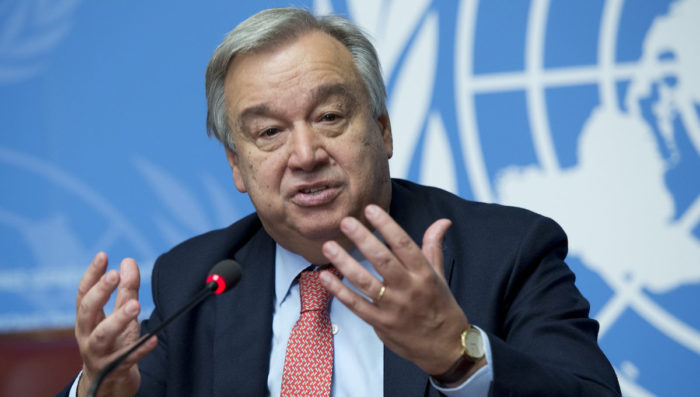 UN Secretary-General António Guterres. Photo credit: UN Photo / Jean-Marc Ferré
“I urge the Russian Federation to develop and implement an action plan to end grave violations against children. I welcome the recent constructive visit by my Special Representative to the Russian Federation in April 2026 and welcome discussions to develop and implement commitments to protect children,” Guterres stated.
He also urged Ukraine to reverse its decision to suspend the operation of the Ottawa Convention and to prioritise child protection training for armed and security forces.
Earlier, ZMINA reported that the International Coalition for the Return of Ukrainian Children agreed to develop a joint strategy to implement a U.N. General Assembly resolution. The EU, the U.K. and Canada adopted the largest sanctions package against those involved in the deportation of Ukrainian children and announced more than $100 million in funding for their return.
Estimates suggest that more than one million Ukrainian children remain in the temporarily occupied territories under Russian control. The exact number of those deported and forcibly transferred remains unknown, as only Russia knows how many Ukrainian children it has abducted and refuses to disclose this data. Ukraine’s Justice Ministry verified 20,610 cases of possible deportation and forcible transfer of children by Russia.
Ukrainian human rights defenders emphasise that the deportation and forcible transfer of Ukrainian children are not a side effect of war but a component of Russia’s systemic genocidal policy, aimed at erasing Ukrainian identity and severing children’s ties to Ukraine.
Follow ZMINA on X and LinkedIn for daily human rights coverage from Ukraine – we invite you to share your feedback on what you’d like to see more of in our survey here.