Ukraine’s indigenous peoples face repression and erasure of identity under Russian occupation, Mejlis chairman says
Ukraine’s indigenous peoples – the Karaites, Crimean Tatars, and Krymchaks – face repression, the destruction of their cultural heritage, and the erasure of their national identity under occupation, the Chairman of the Mejlis of the Crimean Tatar People, Refat Chubarov, stated during a roundtable “Legal Protection of Ukraine’s Indigenous Peoples During the War”, held at the news agency Ukrinform.
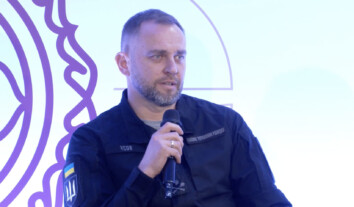
 Screenshot of the roundtable broadcast
According to Chubarov, 12 years of Russia’s occupation of Crimea have created unprecedented threats to the existence of Ukraine’s indigenous peoples – the Karaites, Crimean Tatars, and Krymchaks. Thus, they have faced numerous challenges, particularly concerning the preservation of their identity.
“There is an absolute Russification of everything we managed to build in Crimea before the occupation. We must discuss international solidarity and how to effectively engage the global community in pressuring the aggressor state. However, no matter how much we have spoken in recent years, we cannot save a single one of our political prisoners, including those who are dying there and are gravely ill,” Chubarov said.
Related: “Not alone”: indigenous peoples unite in struggle against global conflicts
The Mejlis chairman noted that state policy must include assisting people living in the occupied territories and preparing for the de-occupation of the peninsula to integrate a liberated Crimea into Ukraine’s legal and political space.
Chubarov added that by passing the law on indigenous peoples, Ukraine not only filled a long-standing legislative gap but also clearly declared to the whole world that Crimean Tatars, Karaites, and Krymchaks are an integral part of the state, and their fate and future are inextricably linked with Ukraine.
“If anyone thought that the Cabinet of Ministers‘ decision to assign the status of a representative body to the Mejlis of the Crimean Tatar People marks the end of the law’s implementation process, or that a significant breakthrough is occurring regarding the execution of the law on Ukraine’s indigenous peoples, that is not entirely correct,” he observed.
Refat Chubarov added that the full functioning of the law requires clearly developed regulations concerning:
- registering the Mejlis of the Crimean Tatar People as a legal entity and defining its organisational and legal form;
- defining the Mejlis’s status as a participant in budgetary legal relations;
- defining the Mejlis’s status as a participant in tax relations.
Currently, a working group comprising members of the Mejlis and the Ministry of Justice is finalising a draft law on amending certain laws of Ukraine regarding the representative bodies of Ukraine’s indigenous peoples. The document is expected to be submitted to the Verkhovna Rada shortly.
To provide background, the Law “On Indigenous Peoples of Ukraine” came into force in 2021, defining their right to maintain, revive, and develop their spiritual, religious, and cultural traditions and customs. The representative bodies of indigenous peoples can participate in their international representation.
This law can be fully implemented after the de-occupation of Crimea, but a number of legal acts have already been adopted for its execution, the Head of the State Service of Ukraine for Ethnopolitics and Freedom of Conscience, Viktor Yelenskyi, noted.
On 3 April 2026, the Cabinet of Ministers of Ukraine legally cemented the Mejlis of the Crimean Tatar People’s status as the representative body of the Crimean Tatar people. The relevant decision was adopted at the legislative level.
Need a human-rights perspective on Ukraine’s latest legal developments? Connect with ZMINA on X, BlueSky and LinkedIn for regular policy updates – and let us know what you want to read next in our survey here.