temporarily occupied Crimea
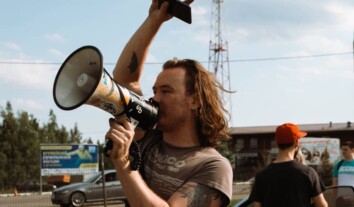
Russian occupying authorities reuse old footage of Yevhen Shved, twice convicted for pro-Ukrainian views, in ‘SBU agent’ detention video
The date of birth given for the detainee in the security forces’ video dated 2 October also matches Shved’s
Russian authorities opened at least four criminal cases over online posts in occupied Crimea over a two-week period
Over the past two weeks, Russian security forces have announced at least four new criminal cases against residents of temporarily occupied Crimea over posts, comments and other online content
Ukrainian journalist and former political prisoner Vladyslav Yesypenko calls for coordinated support for Ukrainians in Russian captivity
The journalist met with Michal Geisler, a representative of the Czech president, and Karel Dvořák, a Czech parliamentarian. Their discussions covered, among other issues, the Czech Republic’s potential role in mediating the return of Ukrainian civilian hostages and access for the International Committee of the Red Cross to Russian detention facilities

NGO Crimean Process prepared recommendations on imprisoned journalists for new UN Special Rapporteur
The human rights organisation Crimean Process has prepared recommendations for the new UN Special Rapporteur on freedom of expression, urging greater attention to journalists held in Russian custodial settings. The organisation compared its own data with information from the Committee to Protect Journalists (CPJ)
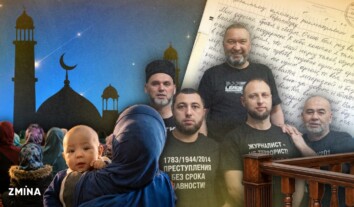
‘The most frightening moment is when you are left on your own’: How Crimean Solidarity supported people for 10 years
ZMINA article examines the movement’s importance both in resisting political repression in Crimea and in providing vital support to affected families, as well as the consequences of its closure that are already being felt
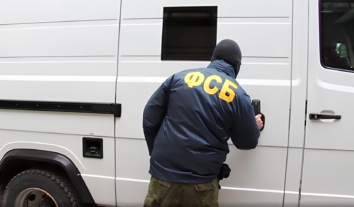
FSB has detained a resident of occupied Kerch for alledgely “justifying terrorism”
Russian security forces have detained a 53-year-old man in Kerch, in temporarily occupied Crimea, accusing him of allegedly "justifying terrorism" online
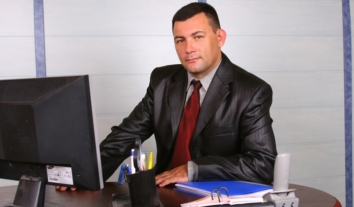
Human rights defenders identified six people involved in persecution of journalist Hennadii Osmak
The Crimean Human Rights Group (CHRG) has identified six officials within Russia’s occupation apparatus involved in the illegitimate criminal prosecution of Hennadii Osmak, a journalist from the occupied city of Henichesk
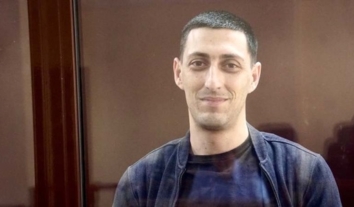
Citizen journalist Asan Akhtemov has spent five years in Russian captivity
For a time, reading helped Asan cope with the hardships of imprisonment. Poor lighting has caused his eyesight to deteriorate significantly. He cannot currently undergo the eye examination he needs at the colony. Despite his prolonged imprisonment, Akhtemov continues to write letters
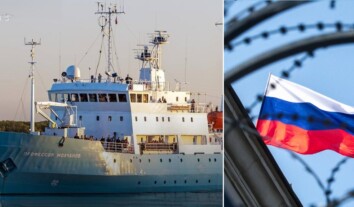
Russian ship arrested in Norwegian port to compensate Ukraine’s Naftogaz for Crimean assets that Russia illegally seized
The decision was issued on 31 August 2026 by the Nord-Troms and Senja District Court, the statement said. Under the court's ruling, the vessel is not permitted to leave its current location – the port of Barentsburg in the Svalbard archipelago
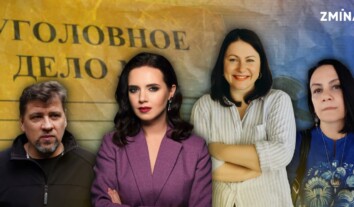
‘I found out about the criminal case from the news’: Why Russia orders the arrest of journalists in absentia and what risks this poses to them
ZMINA spoke to Ukrainian journalists who are being persecuted by Russia because of their work to find out how fabricated criminal cases are changing their lives, whether these cases pose a genuine threat and why the Kremlin is increasingly using illegitimate courts in occupied territories and courts in the Russian Federation as an element of information warfare

‘I’m not a spy – I just want to live here’: What children leaving occupied territories go through
ZMINA tells the story of Sofiia, whose name has been changed for security reasons. She left temporarily occupied Donetsk to enrol at a Ukrainian university. Sofiia's experience shows that reintegration is about more than documents, education and safety
First sentence for ‘activities against Russian security’ handed down in occupied Yalta
Article 280.4 of the Russian Criminal Code provides for liability for public calls for activities that the Russian authorities consider directed against the state's security. In Russian judicial practice, this article has been used, in particular, to persecute people over public statements related to the war against Ukraine

FSB detained man in occupied Yevpatoriia over support for Armed Forces of Ukraine on Telegram
Russia’s FSB stated that it has detained a local man born in 2002 in occupied Yevpatoriia, the Autonomous Republic of Crimea, on suspicion of making public calls for extremist activity in Telegram posts, pro-Russian Telegram channels reported
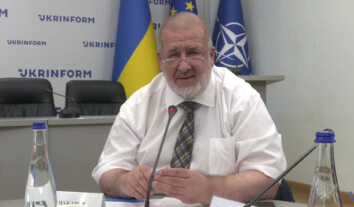
Ukraine’s indigenous peoples face repression and erasure of identity under Russian occupation, Mejlis chairman says
The Mejlis chairman Refat Chubarov noted that Ukraine's state policy must include assisting people living in the occupied territories and preparing for the de-occupation of the peninsula to integrate a liberated Crimea into Ukraine's legal and political space
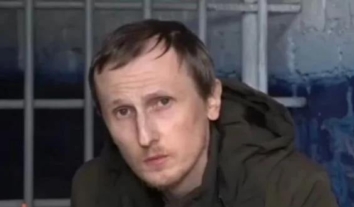
Russia has not disclosed the whereabouts of Ukrainian journalist and political prisoner Heorhiy Levchenko after sentencing – RSF
His current place of detention, however, remains unknown. Svitlana Zalizetska, editor-in-chief of RIA-Pivden, told RSF that she was checking reports that Levchenko may have been transferred to the Altai Republic in Russia to serve his sentence
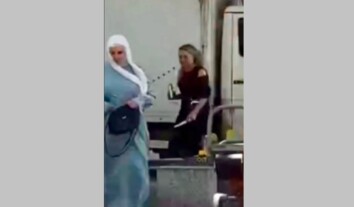
Crimean Tatar women facing aggression in occupied Crimea, rights advocate says
At least two attacks on Crimean Tatar women in temporarily occupied Crimea over the summer of 2026: one was threatened with a knife, and neighbours attempted to tear off another's headscarf, Crimean Tatar human rights defender and journalist Lutfiye Zudiyeva reported
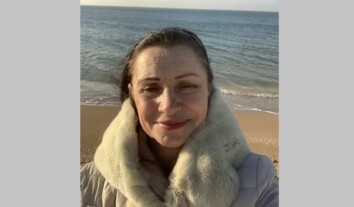
Crimean political prisoner Larysa Haidai loses weight and grows weak behind bars, Crimean Human Rights Group says
A 62-year-old Crimean political prisoner, Larysa Haidai, has lost 15 kilograms and become weaker after being held completely incommunicado by Russian occupying forces for more than two years

Russian appeal court upheld sentence against 66-year-old Melitopol resident Iryna Sukhovii
In May 2025, FSB officers detained pensioner Iryna Sukhovii. The illegitimate "Zaporizhzhia Regional Court" subsequently sentenced her to 12 years and six months in a general-regime penal colony for "high treason". The Russian occupying authorities accused her of providing financial support to the Armed Forces of Ukraine. In 2026, the First Court of Appeal of General Jurisdiction in Moscow upheld the sentence and dismissed Sukhovii’s appeal. Aleksandr Pushkin, a judge at the court, issued the ruling

Columns

Fighting a ‘holy war’: Why a sacralised war resists Western strategy

“Reaching an agreement with the US on what we disagree on”: What the campaign against ICC means for Ukraine

ICC must remain free from political pressure to bring justice to victims of world’s gravest crimes
Only 5% of those responsible for deporting Ukrainian children face global sanctions