Police identify 48 killed Ukrainians in Russian air strike on Komyshuvakha
Rescuers have found the bodies of two more people and body fragments of other victims on the 11th day of search operations following a Russian air strike in the settlement of Komyshuvakha, Zaporizhzhia Region (Oblast), the regional police reported. Forty-eight of the dead have been identified so far, while people who remain missing may still be under the rubble.
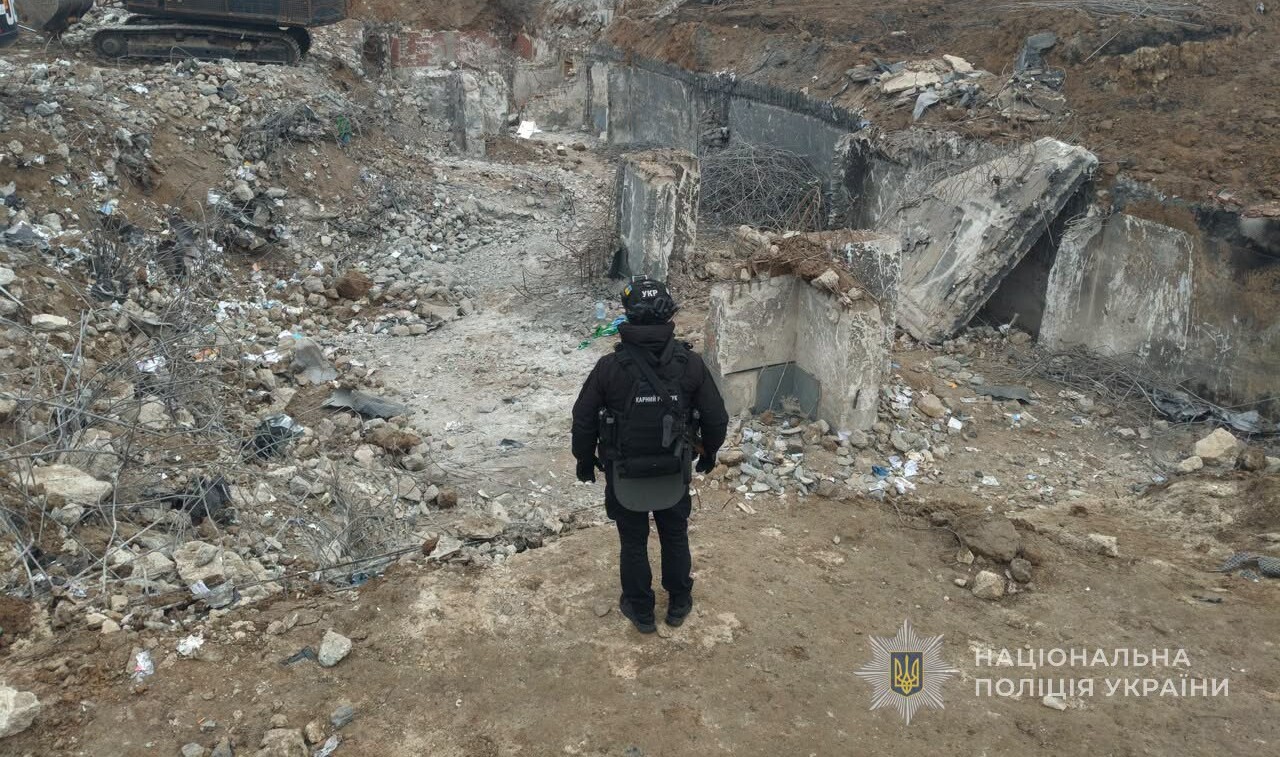
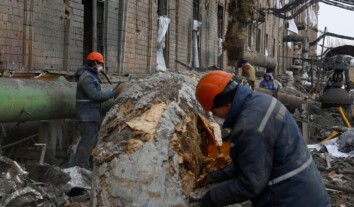
Rescuers, investigators and forensic experts continue to work at the strike site. Units of the State Emergency Service of Ukraine from the Dnipropetrovsk, Ivano-Frankivsk and Kharkiv Oblasts, along with dog handlers from four regions, have joined them.
The threat of repeated Russian attacks is complicating the work, so officers from anti-drone police units are providing security for the search teams.
Meanwhile, specialists from the Center for Search of Missing Persons under Special Circumstances continue to identify the dead. Law enforcement officers are working to establish the fate of all people who may have been trapped under the rubble.
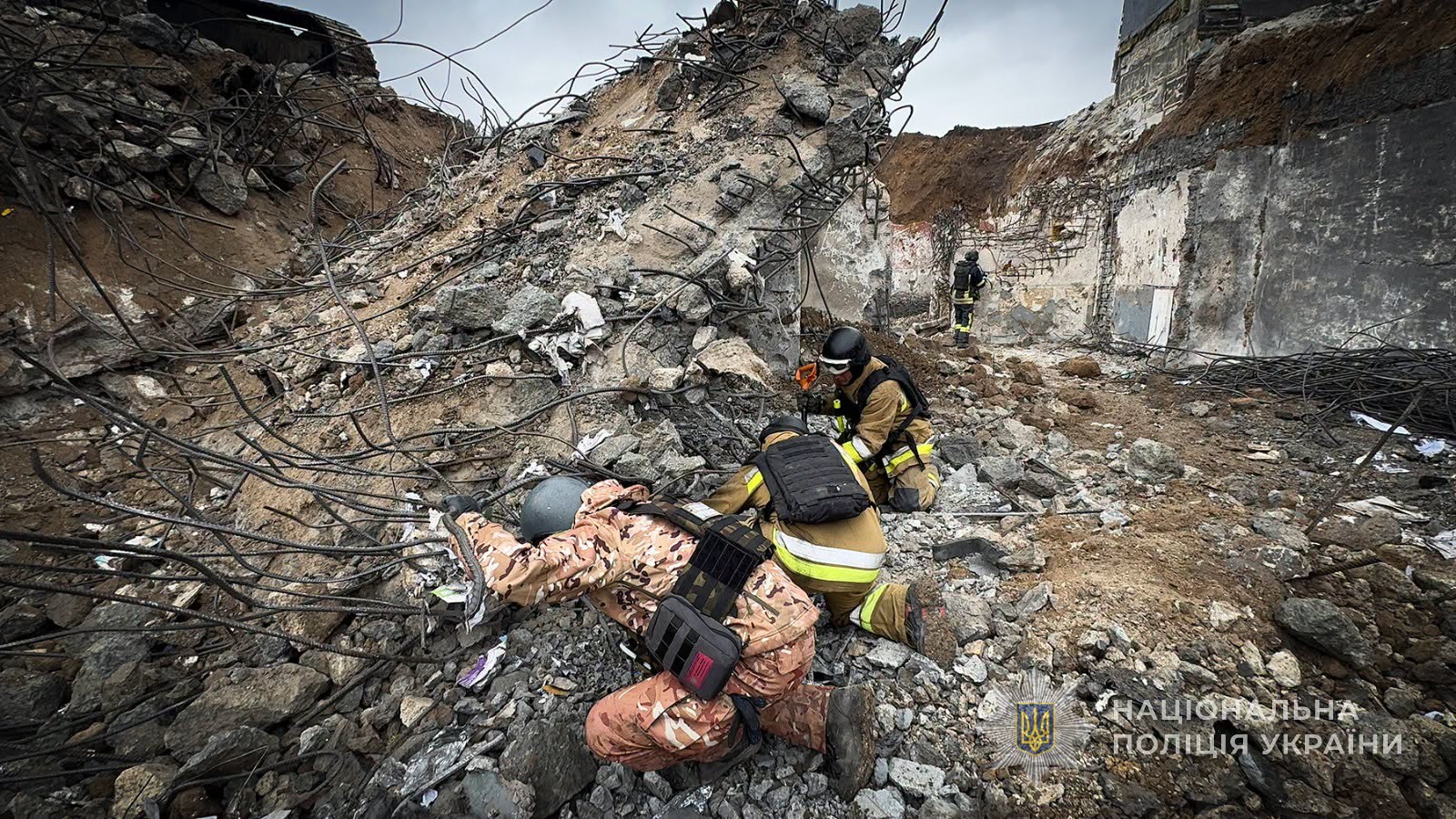
On 2 November, Russian forces launched a series of air strikes on Komyshuvakha. They first attacked the Dzherelo school, where local residents were receiving humanitarian aid, and later dropped a three-tonne aerial bomb on an underground shelter where people were taking refuge.
Among the dead were four police officers and two emergency responders who had arrived to help the injured. At least five other people were wounded.
Russian forces continued to attack the site during search operations. On 8 November 2026, they struck State Emergency Service units three times with drones, injuring two rescuers and damaging specialised equipment.
Defence Intelligence of Ukraine (DIU) previously identified six Russian pilots involved in the air strike on Komyshuvakha. According to Ukrainian intelligence, Russian army Colonel Fedor Zubakov planned the attack.
Under international humanitarian law, civilians and civilian objects are protected from attack. Intentional strikes on civilians, including those receiving humanitarian aid, can constitute war crimes.
Related: Russian drone strike on Dnipro railway station kills 14 and injures 13
To provide background, previously, US president Donald Trump assisted Russia in enforcing its war economy by suspending tariffs and sanctions against the largest buyers of Russian oil. The measures were provided under the Lindsey Graham Act, which he signed in September.
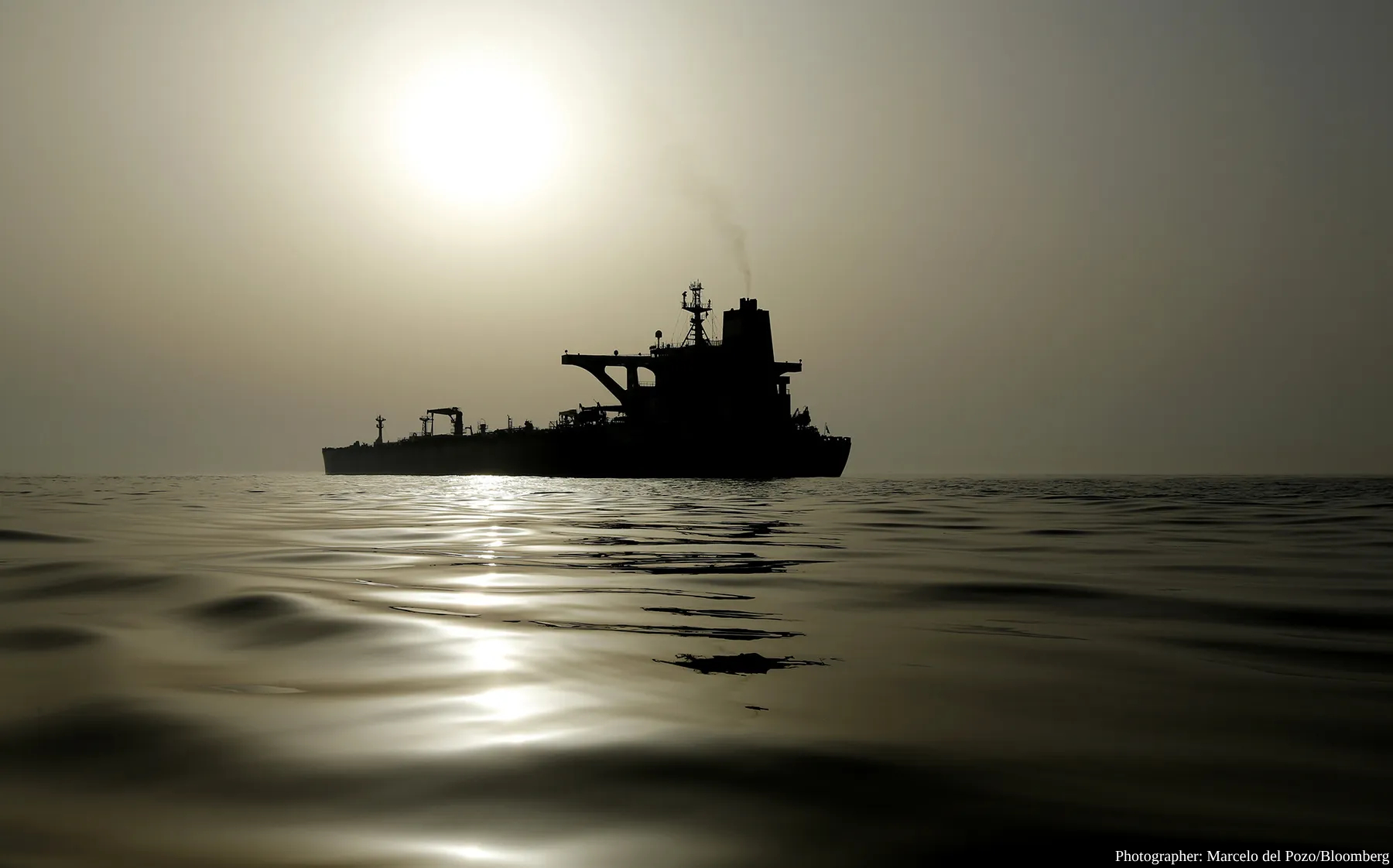 Russia shipped 3.55 million barrels a day of crude in the four weeks to 25 October, with a rebound in cargoes leaving the Baltic port of Primorsk. Photographer: Marcelo del Pozo/Bloomberg
Bloomberg reported, citing ship tracking data and calculations based on oil prices, that in the week ending 25 October 2026, the value of Russian oil exports by sea reached $2.76 billion, the highest since the start of the full-scale war against Ukraine. Russiaʼs revenue rose by about $430 million over the week. Urals prices rose, offsetting higher supplies and the eighth consecutive week of rising ESPO prices.
Related: US firms account for over 75% of parts in examined Geran-4 controller
Human rights organisations and Ukrainian authorities emphasise that structural economic pressure remains a key tool to halt such atrocities. They urge every nation and individual government worldwide to strictly enforce global sanctions, close existing regulatory loopholes, and completely sever remaining commercial and technological ties with the Russian Federation. Civil society groups stress that any continued cooperation by foreign businesses directly contributes to the resources Moscow uses to sustain its ongoing war crimes and crimes against humanity in Ukraine.
Stay connected with us via X, Bluesky and LinkedIn – and while you’re here, please spare five minutes to fill out our survey and tell us what you’d like to see next.