From “soft power” to torture chambers: patterns of Russia’s seizure of new states based on Ukraine’s experience
In March 2025, the Ombudsman of Ukraine published a Special Report on the situation in the territories of Ukraine temporarily occupied by the Russian Federation, which reveals the stages of preparation of the aggressor country for the military takeover of another state, as well as the tools used to subjugate and control the population of the occupied territory.
Eleven years of Russian aggression have shaped Ukraine’s experience, which can be valuable for other states to prevent similar encroachments at the initial stages. This experience shows how the aggressor country prepares for the occupation of new territories, first with the help of “soft power”, including cultural and educational programmes, simplified passport issuance, and the seizure of the information field. Then, the Russian armed forces arrive.
More than 100 representatives of the Ombudsman’s Office, government officials, and human rights defenders worked on the document. The authors of the report state that it provides an insight into the patterns of military aggression that Russia may use against other states.
The Commissioner’s Special Report is available in English, French, Italian, German, Spanish, Arabic, and Ukrainian.
ZMINA summarised the main highlights and recommendations included in the Special Report.

A warning to Russia’s next victim
Presenting the report, Ukrainian Parliament Commissioner for Human Rights Dmytro Lubinets described Russia’s tactics during territorial seizures as “systematic and multileveled”.
The Ombudsman explained that during the report’s preparation, the working group participants analysed and systematised “unique data documented by the Ombudsman’s Office,” reports from international missions, human rights and interparliamentary organisations, government information, testimonies of victims of Russian crimes, information from open sources, court decisions, and resolutions.
“The international community needs to prepare for the continuation of Russian aggression not only against Ukraine, but against any country in the world. […] For eleven years, Ukraine has been giving you time to understand that this is a challenge not against Ukraine, but against all of us. […] All this time, you have had the opportunity to prepare for similar aggression by the Russian Federation against your countries,” Lubinets addressed international partners.
Russia began preparing to attack Ukraine in 2003
The authors of the report concluded that Russia systematically pursued a preparatory policy for the seizure of Ukrainian territories over a long period, beginning well before the active military actions to capture the Crimean Peninsula and parts of the Donetsk and Luhansk regions in 2014.
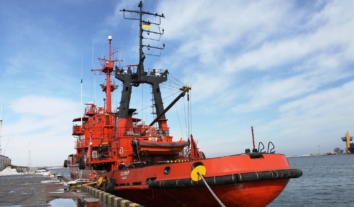
The working group believes that the first hybrid attempt to occupy Ukrainian territory took place in September 2003, when the aggressor country began to illegally build a dam on Tuzla Island. Observing clear actions by the Ukrainian authorities and statements about deploying the Armed Forces of Ukraine to protect the country’s territorial integrity, Moscow understood that it needed to employ hybrid approaches and prepare longer and more thoroughly to achieve its objectives.
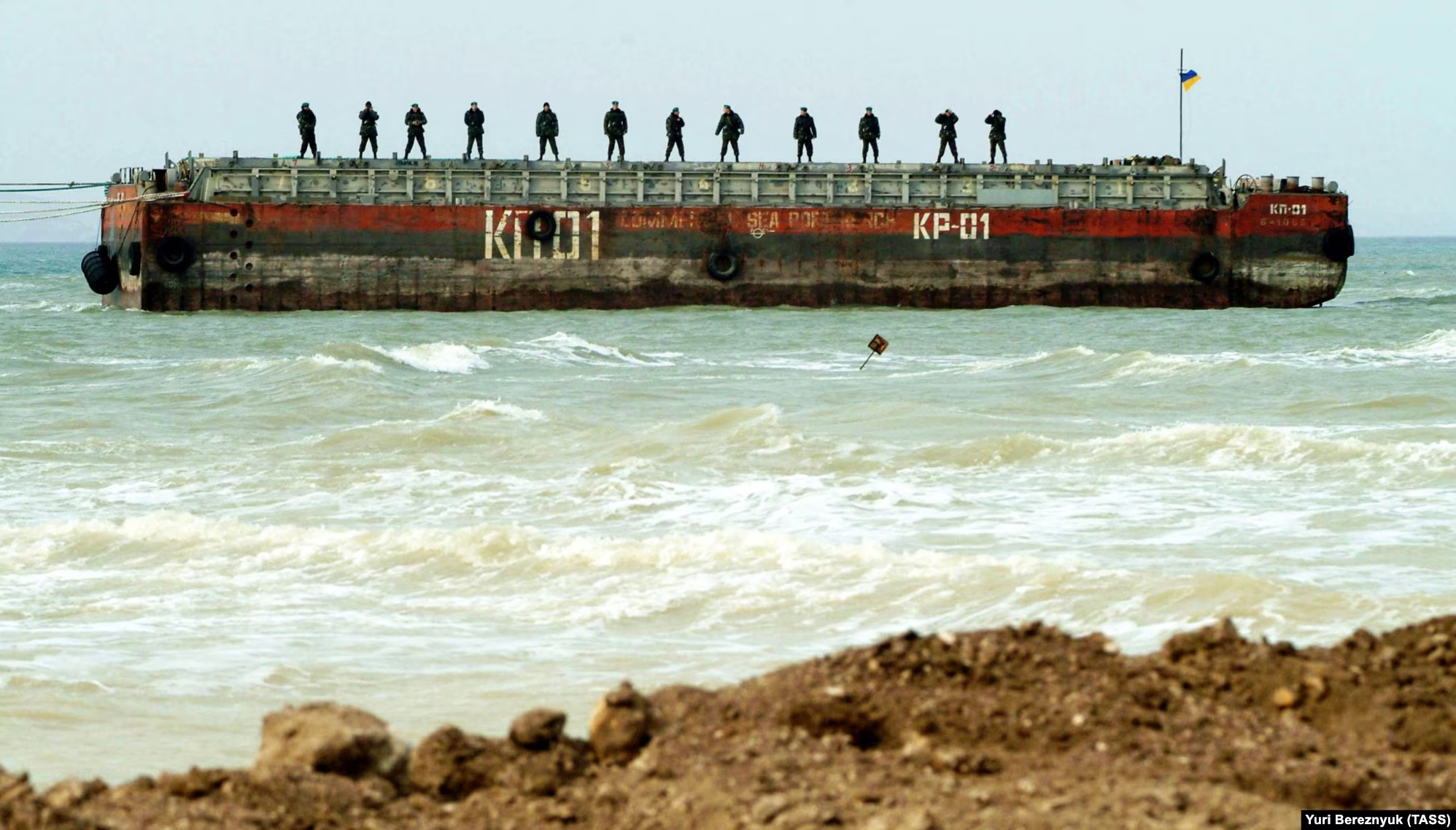 A pontoon with Ukrainian border guards. It is visible from the dam being built by Russian construction workers in the Kerch Strait from the side of Russia’s Krasnodar Krai, October 23, 2003
Before the seizure of Russian-speaking regions, Russians aimed to create a sense of belonging to the Russian Federation among Ukrainians through their campaigns and activities, including through the messages of common history, culture, and language.
The Ombudsman points out that before the Russian aggression in 2014, Moscow worked to institutionalise religion under a single spiritual space in Russia and Ukraine while actively promoting Russian narratives through the Moscow Patriarchate.
In his argumentation, the Ombudsman refers to the words of the so-called former Defence Minister of the illegal armed formation in the Donetsk region, Ihor Hirkin, who stated in an interview that his personal security consisted of spiritual sons, monks, and hieromonks. According to Hirkin, it was also Russian Orthodox priests who blessed and supported him on his battlefield journey.
“This says a lot and demonstrates that the Russian church openly supports the bloody actions of the Russian Federation in Ukraine. It is yet another hybrid instrument that Moscow used before the start of its aggression and continues to use,” Lubinets commented.
The working group concluded that Russia at that stage used “soft power”, in particular through:
- Financing the work of Russian educational institutions in certain Ukrainian territories and the Russification of the Ukrainian educational system;
- Dissemination of Russian cultural and media products (1, 2) throughout Ukrainian territory and other informational influences;
- Simplification of access to Russian citizenship and passporting of Ukrainian citizens;
- Infiltration of Russian agents into the political, security, and government sectors, etc.
The working group points out that Russia openly supported pro-Russian political parties and civic and youth movements that promoted the idea of a common history and a unified state, influenced the views of young people, promoted distorted versions of history, and influenced elections in Ukraine. Active aggressive movements were also funded to undermine trust in the Ukrainian authorities.
At that time, Russian cultural centres were also actively opening, and ties between Ukrainian and Russian border regions were developing through the signing of cooperation agreements and exchange in the cultural and economic spheres.
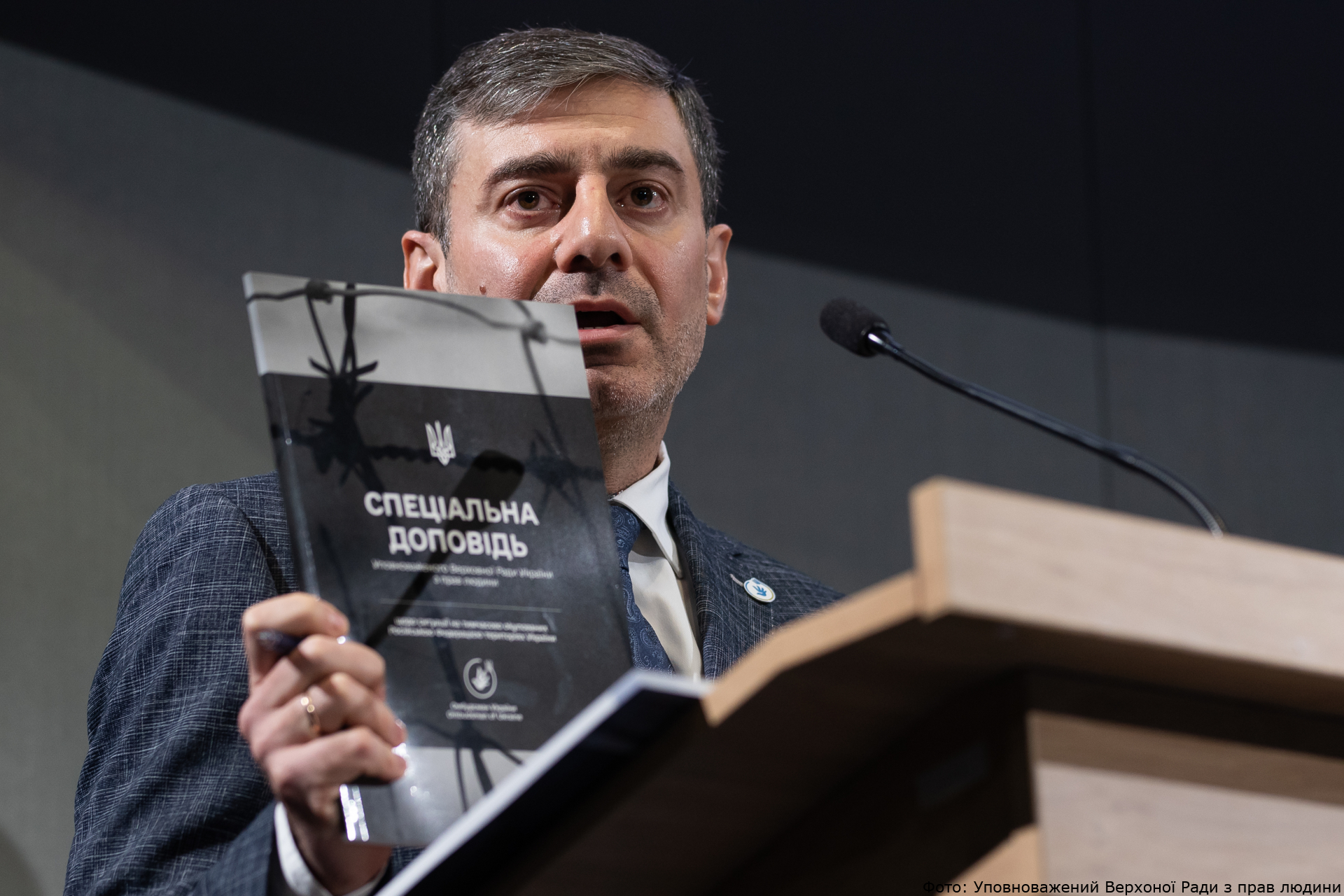 Dmytro Lubinets
“Back then, a huge number of different events and activities were organised, including forums and discussions, with one mission in mind – to show that we are one people, one language, one state, which collapsed due to misunderstandings in 1991. The Russian Federation continues to use all these mechanisms in other countries,” Lubinets stated and called on countries to analyse the actions of representatives of the Russian government, elite, and journalistic community. “Then you will see many common elements that had already taken place in Ukraine before the aggression began, before 2014“.
Patterns of subjugation of the population in occupied territories
The working group concluded that Moscow justified its aggression by calling the events in Ukraine a “civil war”.
“Long before the start of military operations, the aggressor country began actively spreading narratives that violated the rights of the Russian-speaking population, adding to this the thesis of ‘one nation’ and the historical belonging of Crimea, Donbas, and other regions of Ukraine to Russia. Influence in the information sphere and active imposition of the Russian language began in the 2000s,” Lubinets said.
He points out that Ukrainian administrative buildings were seized by Russian citizens who came to Ukraine in advance and organised so-called rallies to create a media image that there is a large number of citizens in Ukraine who oppose the Ukrainian government.
The next stage involved the physical seizure of territories. In Crimea, the Russian occupation authorities used the so-called “green men”, and in the Donetsk and Luhansk regions, “representatives of the People’s Militia”.
“All of them, according to our information, were representatives of the special services of the Russian Federation or representatives of the armed forces of the Russian Federation,” the Ombudsman added.
The authors of the study concluded that in order to seize new territories, Russia has turned to violations of human rights and international humanitarian law, including the massive use of indiscriminate violence against civilians, including:
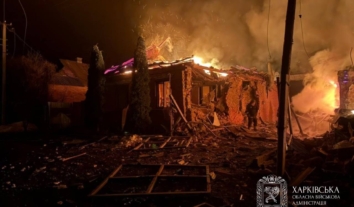
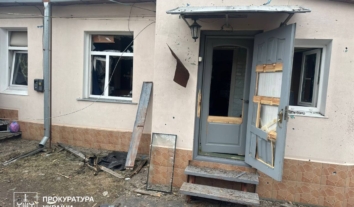
- Military attacks on civilian targets and infrastructure;
- Indiscriminate shelling;
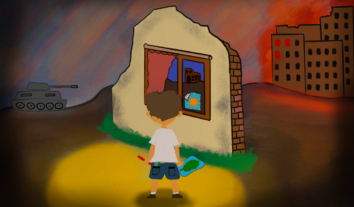
- Complete destruction of settlements;
- “Filtration measures” with gross human rights violations;
- Unlawful detentions during evacuations;
- Obstructing the evacuation of the population.
There have been numerous cases where Russians have used the local population as “human shields” to advance, seize military and administrative buildings, or retreat.
The level of violence does not decrease after Russian troops seize Ukrainian territories; however, widespread destruction of settlements is replaced by targeted attacks on the civilian population.
The Russian occupation authorities immediately deployed military commandant’s offices in the temporarily occupied territories (TOT), where, as documented by the Ombudsman’s Office, torture facilities were established.
At the next stage, Moscow attempted to legally recognise the temporarily occupied territories as Russian through “referendums” – both in the TOT of the Autonomous Republic of Crimea and in other TOT of Ukraine.
The Ombudsman described the implementation of this campaign as “skilful”, noting that, judging by statements from certain countries, Russian representatives have succeeded in promoting narratives that the illegally conducted “referendums” are supposedly expressions of will by Ukrainian citizens.
“Legally, they showed that the local population had allegedly held ‘referendums’ on their own based on Article 1.2 of the UN Charter, which contains a rule of international humanitarian law on the self-determination of peoples. Indeed, according to the principles of equal rights and self-determination of peoples enshrined in the UN Charter, all peoples have the right to freely determine, without external interference, their political status and to pursue their economic, social, and cultural development. Every state must respect this right. However, Russia’s statements and actions directly contradict Article 2 of the UN Charter, according to which the self-determination of peoples should not contradict the territorial integrity of states,” Lubinets explained, adding that in this way, Moscow was trying to avoid responsibility for its illegal actions.
During the next stage, Russians open representative offices of the occupation authorities, various Russian banks and funds. The experience of the full-scale invasion has shown that to form occupation administrations and institutions in the occupied territories, Russia brings in citizens from the previously occupied territories of Ukraine or its own citizens from the territory of the Russian Federation.
Simultaneously with this process, they are introducing the Russian ruble into circulation in the TOT to economically cut off the ties of the citizens of the occupied territory with their country.
The working group points out that when Russia occupies new territories, it unlawfully incorporates them into the Russian Federation and subjects them to the laws, practices, policies, and governance system of the Russian Federation, which, in particular, causes numerous violations of international humanitarian and human rights law. The main and ultimate goal of these violations and “integration” into the legal reality of the Russian Federation is to maintain complete control over the civilian population of the occupied territories, to turn them into “new Russians,” and to physically expel disloyal citizens who have not submitted to the Russian Federation from the occupied territories. The report’s authors note that some of these practices continue to cause similar violations against Russia’s population within its borders.
Onysiia Syniuk, a Legal Analyst at the Human Rights Centre ZMINA, explained that the occupation regime has specific boundaries and definitions according to international humanitarian law. Occupation is a temporary phenomenon.
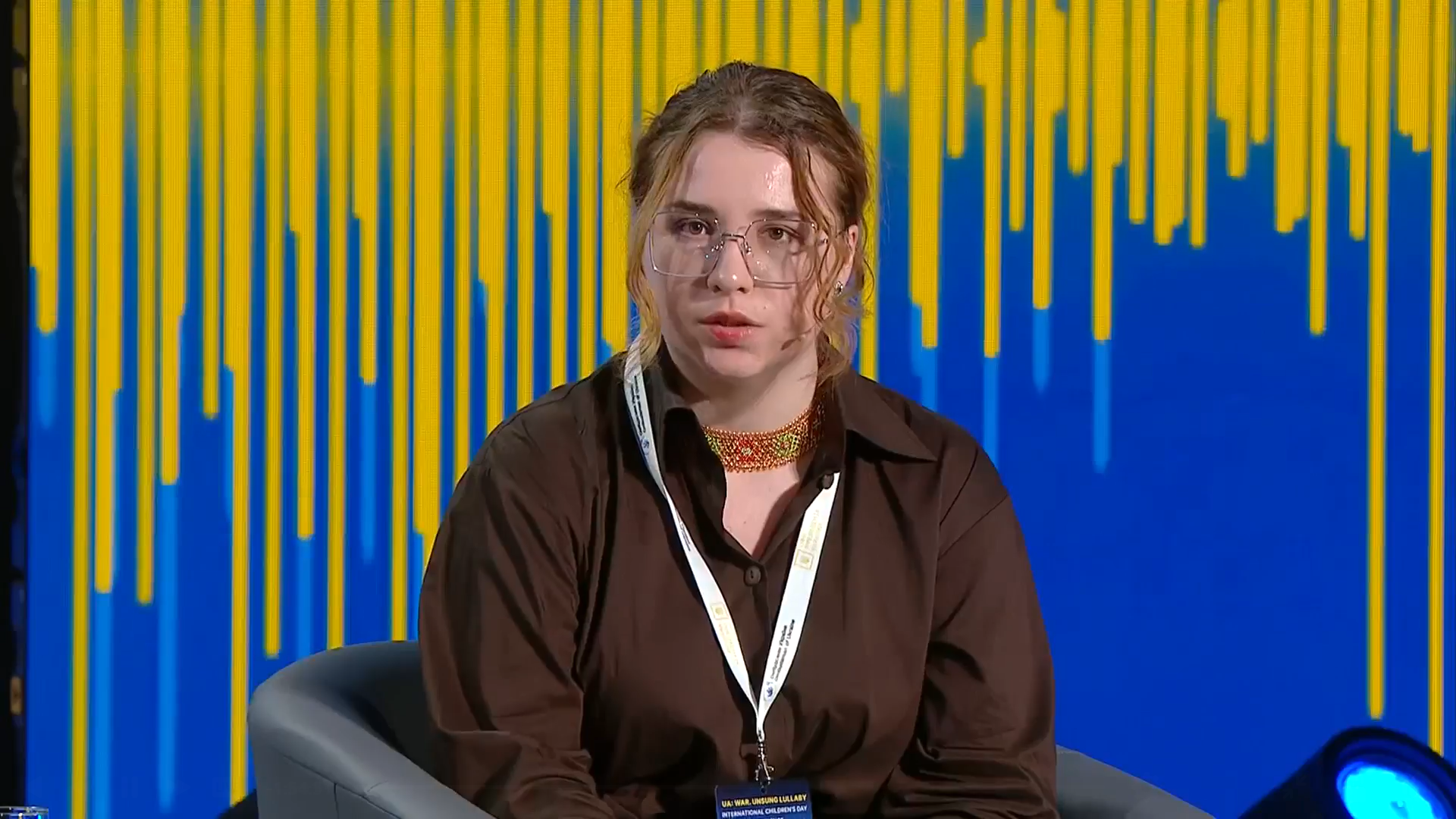 Onysiia Syniuk
“International humanitarian law stipulates that a state that occupies the territory of another state is temporarily in that territory and may take measures to temporarily govern that territory. However, the measures taken by the Russian Federation are seen as inevitable and final. One of the latest measures is the recognition of those Ukrainian citizens who are in the TOT and have not received a Russian passport as foreigners on their own land. They continue to issue passports in order to force the population of the occupied territories to swear allegiance to the Russian Federation,” stated Onysiia Syniuk.
At this stage, in order to subdue the authorities, Russia turns to attacks on individuals with formal and informal power and influence over local communities, including representatives of local governments and state administrations, and activists. Such attacks and pressure include both direct violence – enforced disappearances, unlawful detention, torture, extrajudicial executions, harsh conditions of detention – and psychological pressure, economic coercion to persuade people to cooperate with Russia and create occupation administrations, subjugate and control the civilian population of the occupied communities.
“The system of torture chambers, where people are subjected to torture, sexual and psychological violence, that is the system that the Russian Federation believes can suppress the protests of the local population. Civil servants, former or current military personnel, teachers, volunteers, and any person with an active civic position are primarily targeted. At this stage, we documented that the occupation authorities had lists of the local population with notes on who could potentially pose a threat,” Lubinets said.
During this period, exit from the occupied territory is usually restricted, and humanitarian aid is blocked. The occupiers try to control food and medicine to create a tool of pressure.
“People either agree to cooperate or are left without basic means of survival. The occupiers don’t just come, they create a system where people cannot actually resist,” Lubinets added.
Representatives of the aggressor country use a system of filtration camps to identify and physically detain those Ukrainian citizens who, in the opinion of the occupation authorities, could potentially pose a danger to them.
The Russians create conditions to make it impossible for a Ukrainian citizen to physically stay on the territory if they do not behave in accordance with Russian law. Other methods used by the aggressor at this stage include a system of intimidation of the local population, starting with the forced displacement and deportation of people.
Implementation and maintenance of systematic repressive practices
The next stage was the mass passportisation of the population of the TOT of Ukraine. If a person refuses a Russian passport, they are automatically deprived of medical care, social benefits, opportunities to work, study, and travel. The Russian passport is one of the key elements and means of forcing the population of the TOT into the legal framework of the aggressor country. Citizens without such a document become de facto “foreigners” on their own territory, with increased attention from Russian special services and restrictions on their right to stay and move.
Tetiana Horodenska, head of the Division for Citizens’ Rights in Temporarily Occupied Territories of the Department of Monitoring the Observance of the Rights of Citizens Affected by the Armed Aggression against Ukraine at the Ombudsman, previously spokeі in detail about the methods of forcing citizens to obtain Russian passports. The Ombudsman’s Office has also previously called on citizens to personally report to Ukrainian law enforcement officers about forced passportisation under occupation
The Ombudsman notes that immediately after receiving Russian passports, Russia registers the population of the occupied territory and physically mobilises them for war against their country. By isolating the occupied territory from independent Ukrainian and international media and building a system of Russian propaganda media, the aggressor country is forming a distorted vision of the causes and course of Russian armed aggression against Ukraine among the local population.
“This is an open colonial policy. When the Russian Federation occupied a territory, it first of all tried to use the local population through the process of mobilisation to seize new territoriesі . This is a gross violation of international law, as the warring party cannot force the population of the temporarily occupied territory to fight on its side, but as we can see, they do it,” Lubinets commented.
Experience of occupation: memories of the mayor of Starobilsk
Yana Litvinova, Mayor of Starobilsk in the Luhansk region, recalls the first weeks of the Russian occupation of her city in 2022. According to her, it was unclear at the time how long the isolation of the Starobilsk community and other communities in the region would last and how quickly the Ukrainian Armed Forces would be able to return. When the front line shifted to Sievierodonetsk and Rubizhne, and the community saw the first tanks, the local council began to perform uncommon functions, such as maintaining law and order and organising logistics routes for the delivery of essential medicines and food.
Litvinova said that on 6 March 2022, she was invited to a meeting in the city’s central square by Maryna Filipova, an “advisor” to the self-proclaimed head of an illegal armed group calling itself the “Luhansk People’s Republic”.
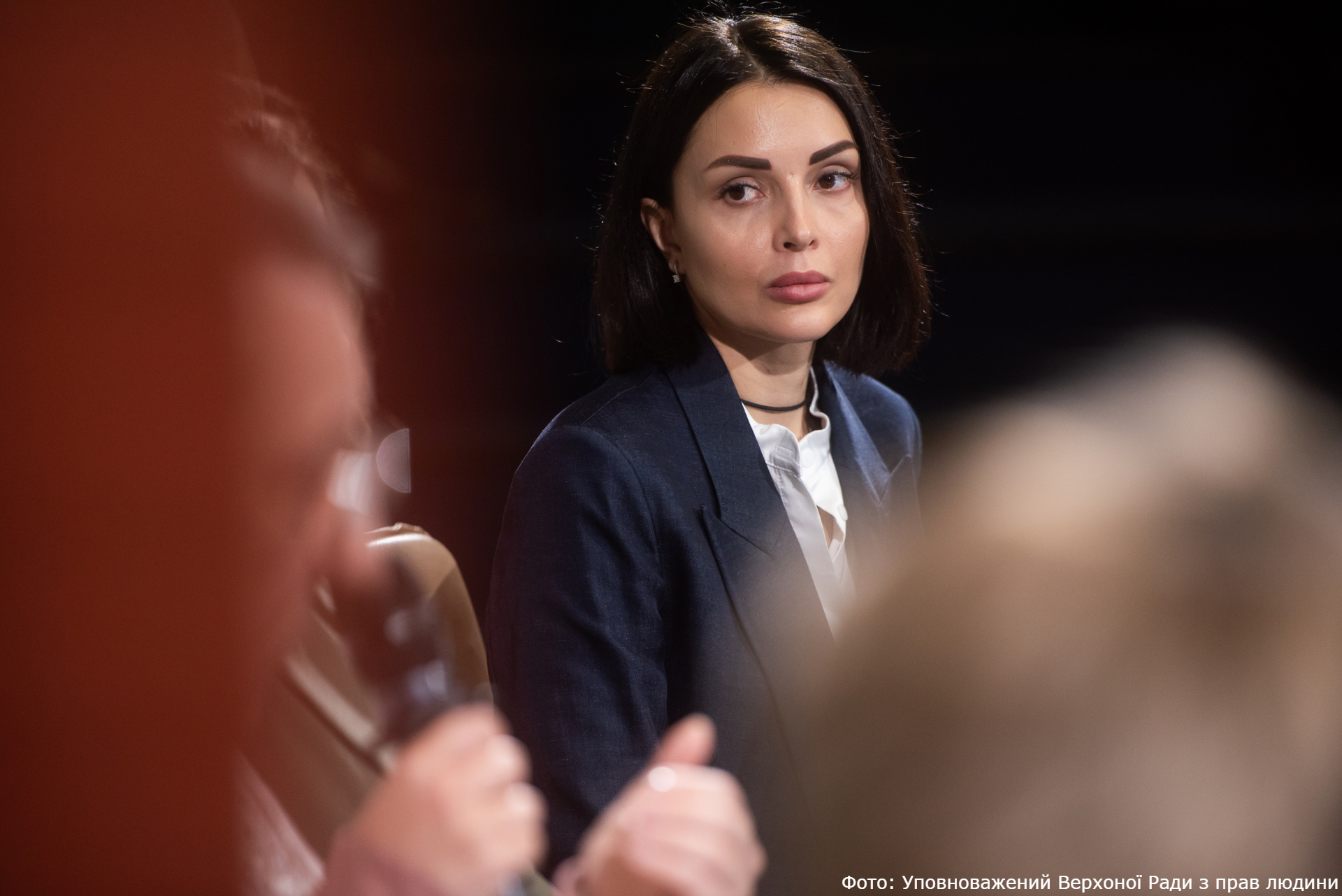 Yana Litvinova
“Of course, it was a tough question for me as a person, because I didn’t understand what would happen next at this meeting. For me, as a head, the choice was also obvious: I had sworn allegiance to the Ukrainian people. I wrote about the planned meeting on my Facebook page, and within 40 minutes, peaceful residents of the community began to gather spontaneously in the square to support me and express their pro-Ukrainian position,” recalled Yana Litvinova.
Litvinova was surprised that when the Russian occupiers later captured her, they told her that those rallies had been organised for money.
“This indicates that Russians generally have no understanding of democracy and free expression,” Litvinova observed.
Residents of the city removed symbols of the illegal armed group from the flagpole in the central square and marched to the district police headquarters, which had already been seized by the occupiers and surrounded by checkpoints.
“No one came out to the protesters at that time, but the Russians sent provocateurs to the spontaneous rally, who incited people to take action. After the rally, they began unlawfully detaining and imprisoning civilians, putting psychological pressure on identifying those in the city who might be capable of organising resistance,” Litvinova said.
The occupiers first detained Litvinova in mid-March.
“They held me at gunpoint. An unknown person in a Russian military uniform, without any identification, questioned me, in particular, finding out where I lived and what my job was. This person said that they had come to liberate us from the “Nazi and Bandera regime” and that we didn’t really understand anything because we were ‘brainwashed by Western propaganda, ’ Litvinova said.
Litvinova was released, instructed to carry out her duties as Mayor, and told that the commandant would contact her later.
After seizing administrative buildings, the occupiers held meetings with city council staff, whom they invited, persuaded and threatened to attend. When the employees arrived, they were filmed and told, “You are all now traitors to Ukraine”.
“During those days, I had a sense of a doubled reality. I looked out the window and saw the seizure of administrative buildings, the abuse, the coercion of our people to act as the Russians wanted. Meanwhile, videos circulated online showing people or residents who had long since left and had not lived in our community for a long time, saying they were very happy to have been ‘liberated, ’” Litvinova shared her impressions.
In the first weeks of the occupation, her team faced the challenge of providing insulin to sick children. When they tried to bring it from Dnipro, the occupiers confiscated the drugs, saying that the storage conditions for insulin for these sick children had allegedly not been met.
“At that time, they did not offer any alternatives. They said there would be some later,” Litvinova says indignantly.
In addition, the Russians also did not allow oxygen to be delivered to COVID-19 patients.
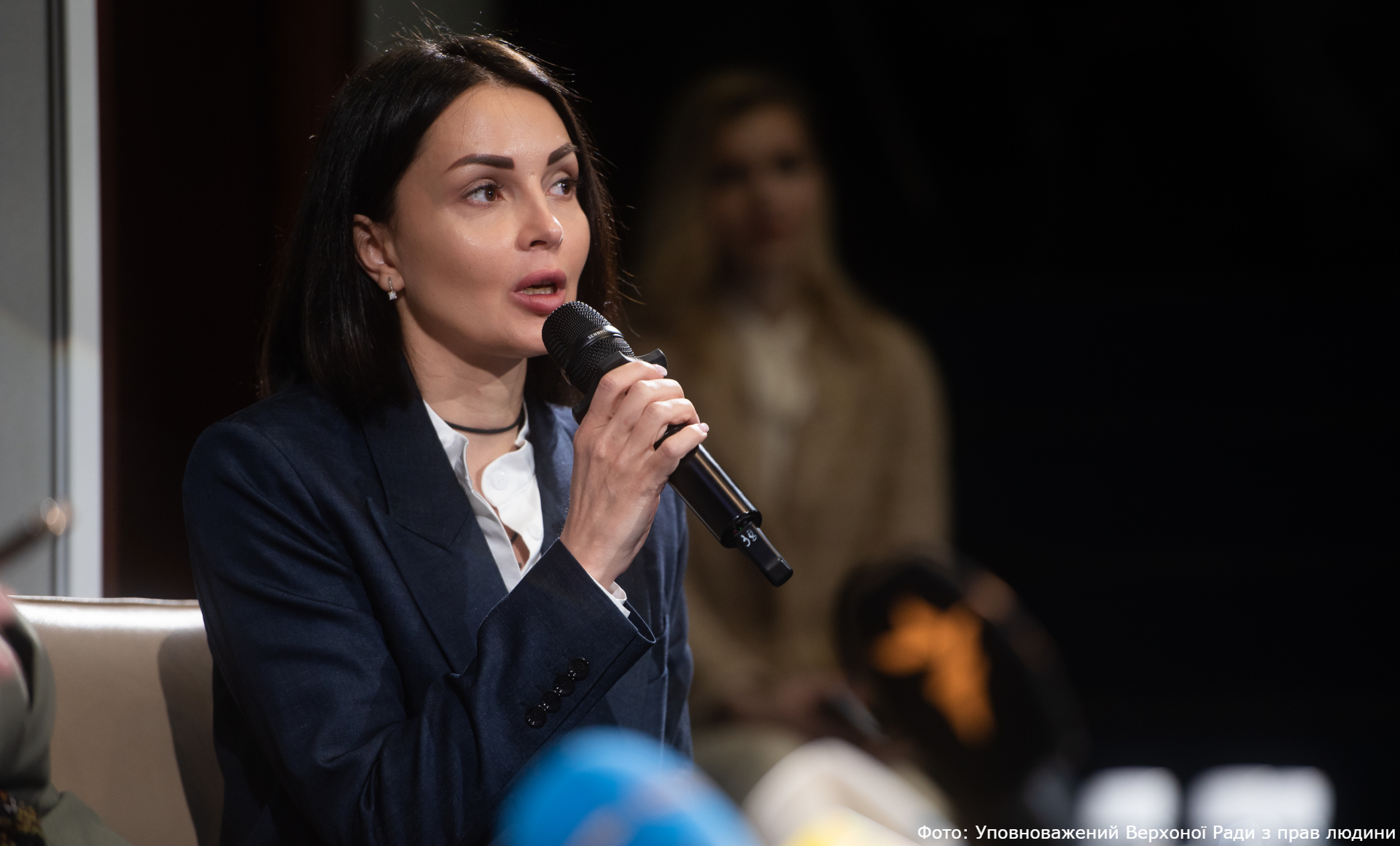 Yana Litvinova
“None of us is God to decide which patients should be taken off artificial ventilation. We tried to send a car with oxygen to Rubizhne via a different route. Our car was taken away. Nevertheless, we managed to provide the patients with oxygen. I am delighted that none of the city council leaders cooperated with the occupiers,” Litvinova says.
After threats were made against her daughter, she left the occupied area with her, passing through five checkpoints at a time when the occupiers had not yet implemented a system of lists for detentions.
“A week after I left, they announced to the people that the Ukrainian authorities had ‘abandoned you’ and that you were now completely under Russian control. They actively circulated videos accusing the Ukrainian Armed Forces of terrorism and destroying cities, and said that if you want the same thing, Ukraine can do it,” Litvinova recalls.
According to her, Russians gradually began to “squeeze out” the pro-Ukrainian population from the occupied territory. There were shootings of civilian convoys in the Svatove district, and the only chance for people to leave at that time was through the Russian Federation, where filtration measures were carried out, detaining and imprisoning Ukrainian citizens.
Litvinova says she is proud of the Starobilsk community:
“Starting with the youth, who actively expressed their position. When they were forced to sing the Russian anthem every morning at nine o’clock, they came out wearing vyshyvanka (embroidered Ukrainian shirts). Teachers refused to cooperate with the occupiers en masse, which led to a shortage of staff in all structures, and they did not know how to get hospitals and schools up and running. It was real resistance. However, time is not on our side, unfortunately“.
She adds that Moscow has intensively cut off the TOT from any channels of communication with the free territory of Ukraine, regularly and systematically distorting national identity.
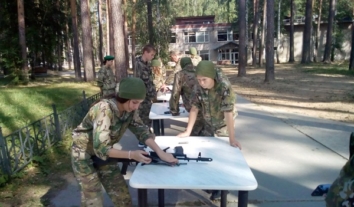
Litvinova also points to the active militarisation of children under occupation and the shift in mindset in the TOT.
“Schools introduced a course on the contemporary history of the “LPR” and lessons called “Conversations about Important Things”, where children are massively brainwashed, being told to take pride in belonging to the “great” Russian people. They are told that everything that has happened in Ukraine since 1991 has been years of occupation by the Kyiv regime. The occupiers construct logical narratives aimed at teenagers to encourage them to join national-patriotic groups like the “Yunarmiya” (Young Army Cadets National Movement). They constantly invite military personnel even into preschools, hand out “Alyonka” chocolates featuring not a girl, but a person in military uniform, give children books, and tell them about a fake genocide of the Russian people by Ukrainians,” she said.
Have the “SVO goals” been achieved?
Military experts point out that Russia has been unable to completely capture the Donetsk and Luhansk regions for a long time. Deputy Head of the Main Directorate of Intelligence of the Ministry of Defence, Major General Vadym Skibitskyi, emphasises that Russia will continue the war because the goals of the so-called special military operation set by Russia have not been achieved. Moscow has not removed from its agenda the political goal of first capturing the entire Donetsk, Luhansk, Zaporizhzhia, and Kherson regions, and then the entire territory of Ukraine.
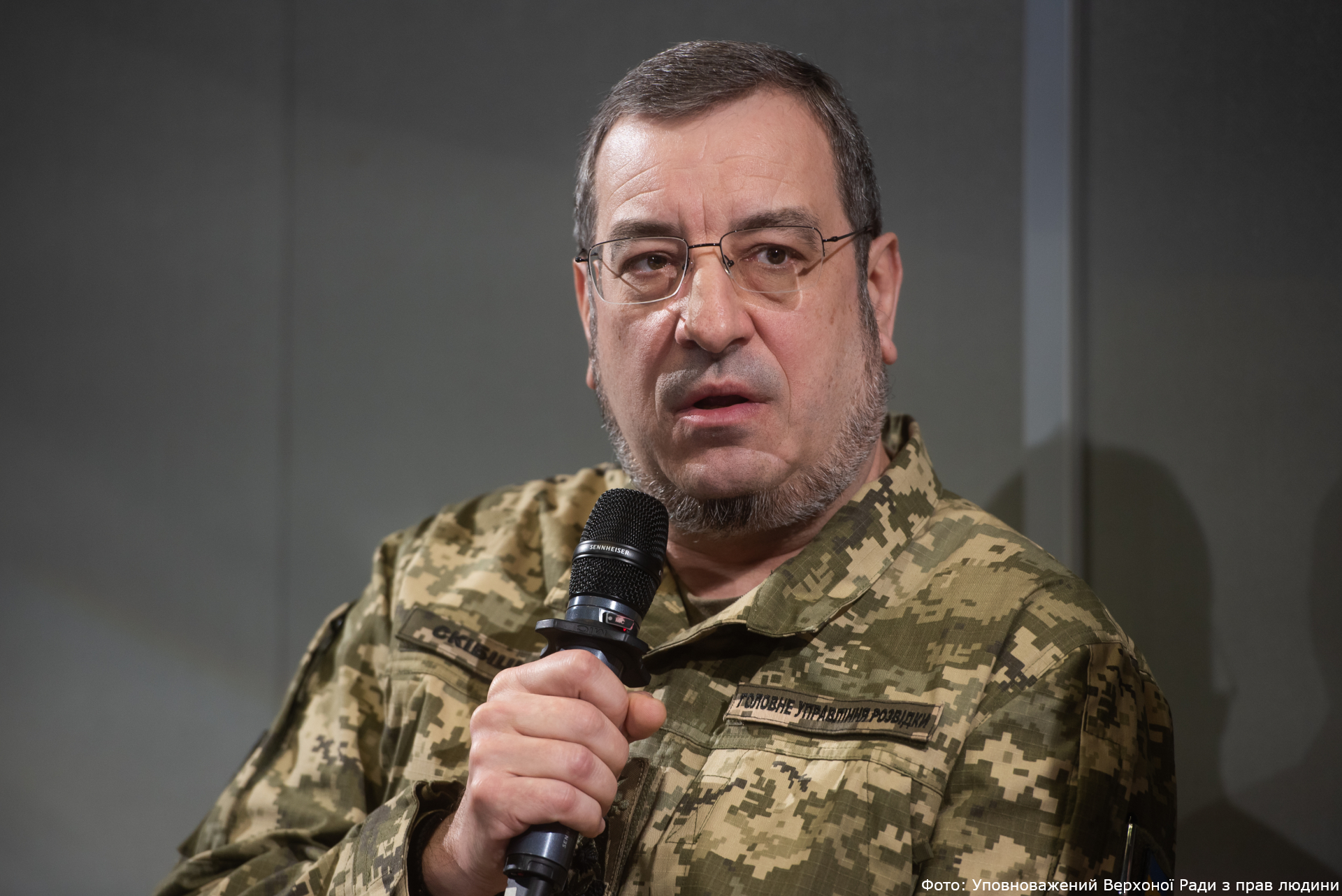 Major General Vadym Skibitskyi
“During the formation of illegal armed groups in the east of Ukraine in 2015, these so-called republics stipulated in their legislative acts that, for example, the “Donetsk People’s Republic” exists within the administrative borders of the Donetsk region of Ukraine. Accordingly, the territories not controlled by Donetsk, according to their logic, are territories occupied by Ukraine. It is easy to predict that Moscow may use the same scenario today with regard to the Kherson and Zaporizhzhia regions,” Vadym Skibitskyi stated during the discussion of the special report.
According to him, military intelligence repeatedly reported in 2014 that the Russian military presence in Ukrainian territory posed a direct threat to our national security, and Moscow used this to launch its armed aggression against Ukraine. The same threat will remain in the future.
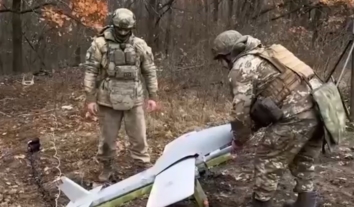
“The Russian military presence in the temporarily occupied territories will always pose a direct military threat to our state. Today, the land component of the Russian military group in the temporarily occupied territories of Ukraine numbers approximately 600,000 military personnel. I am not even talking about the Black Sea Fleet or the air force, which is used, in particular, to strike our infrastructure. This is a powerful element of pressure and a source of the main threat that currently stems from the presence of Russian troops in the temporarily occupied territory,” Vadym Skibitskyi explained.
The Commissioner’s Special Report is available in Ukrainian, English, French, Italian, German, Spanish, and Arabic.
Did you like this article? Stay connected via X and LinkedIn with ZMINA – and help build this platform with us by filling out our anonymous 5-minute survey here.