occupied Zaporizhzhia region
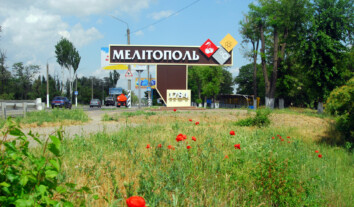
Woman in temporarily occupied Melitopol fined over Telegram comment from 2022
Russian occupation authorities regularly prosecute residents of the occupied part of the Zaporizhzhia Region (Oblast) over online statements, including comments posted several years earlier

Why do Ukrainians living under occupation obtain Russian passports?
ZMINA spoke to a young woman who left temporarily occupied Donetsk and gathered insights from human rights defenders to explain why obtaining a Russian passport under occupation does not amount to betraying Ukraine
Russia plans tougher penalties for ‘discrediting’ its occupation forces
Volodin justified the proposed changes by claiming that existing fines for certain offences fail to deter people from committing them and that many fines have not been revised in more than 10 years

Russian occupation authorities to try 71-year-old man over Ukrainian-language comment in the Zaporizhzhia Oblast
The Russian authorities have not disclosed the defendant’s name or the text of his comment
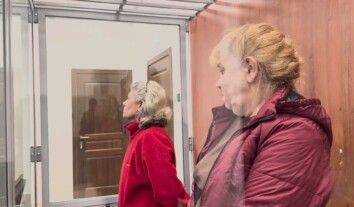
Two women in occupied Ukraine get 14-year terms for alleged treason
According to the occupation authorities, Romanenko involved Lyposavytska in monitoring Russian troops. Together they allegedly gathered information "through personal visual observation and questioning residents of the Kuibyshevskyi District"

IAEA reports two power plant workers killed in drone attacks in Ukraine
IAEA Director General Rafael Grossi condemned these attacks. He said that they are unacceptable and violate the indispensable pillars of nuclear safety
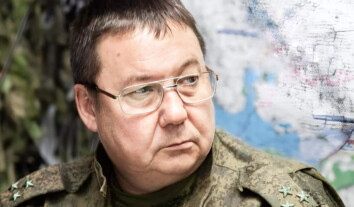
Former Sakhalin investigator Aleksandr Tsarakaev leads Russian Investigative Committee in occupied Melitopol
According to data from the Evocation platform, Tsarakaev was born in 1966 in Dolinsk on Sakhalin, Russia. He worked in investigative bodies in the Sakhalin and Amur regions, and after the start of the full-scale invasion, he was sent to temporarily occupied territory in Ukraine

Vladyslav Hershon, Telegram chat administrator, held in solitary confinement at Vladimir Central Prison
Hershon has health problems: during his most recent meeting with his lawyer, he said he was itching all over. Preliminary arrangements have been made for him to receive treatment

Journalist Iryna Levchenko tortured with electric shocks in secret prison in Melitopol
The media outlet RIA Pivden published Levchenko’s testimony

Man faces trial in occupied Melitopol over online comment posted four years ago
The occupation authorities continue to use old posts and comments by residents of the Melitopol area as grounds for criminal prosecution
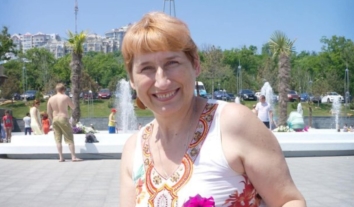
Russian-controlled ‘court’ in occupied Melitopol sentences journalist Iryna Levchenko to 15 years in prison
Levchenko’s name was not disclosed in the statement issued by the Russian security service, which referred to her only by the first letter of her surname
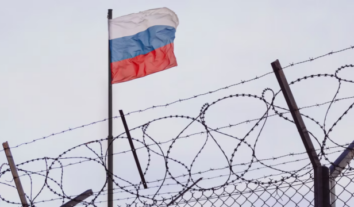
First sentence for ‘activities against Russian security’ handed down in occupied Yalta
Article 280.4 of the Russian Criminal Code provides for liability for public calls for activities that the Russian authorities consider directed against the state's security. In Russian judicial practice, this article has been used, in particular, to persecute people over public statements related to the war against Ukraine
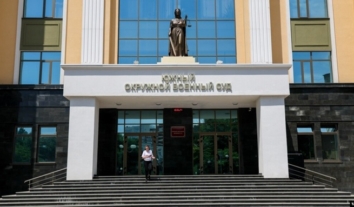
Russian court sentenced occupied Melitopol resident to six years over Telegram comments
The Southern District Military Court in Rostov-on-Don, Russia, has sentenced a resident of occupied Melitopol in the Zaporizhzhia Region to six years in a general-regime penal colony over comments posted on Telegram
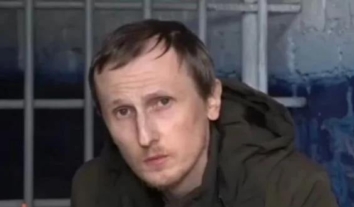
Russia has not disclosed the whereabouts of Ukrainian journalist and political prisoner Heorhiy Levchenko after sentencing – RSF
His current place of detention, however, remains unknown. Svitlana Zalizetska, editor-in-chief of RIA-Pivden, told RSF that she was checking reports that Levchenko may have been transferred to the Altai Republic in Russia to serve his sentence

Russian appeal court upheld sentence against 66-year-old Melitopol resident Iryna Sukhovii
In May 2025, FSB officers detained pensioner Iryna Sukhovii. The illegitimate "Zaporizhzhia Regional Court" subsequently sentenced her to 12 years and six months in a general-regime penal colony for "high treason". The Russian occupying authorities accused her of providing financial support to the Armed Forces of Ukraine. In 2026, the First Court of Appeal of General Jurisdiction in Moscow upheld the sentence and dismissed Sukhovii’s appeal. Aleksandr Pushkin, a judge at the court, issued the ruling
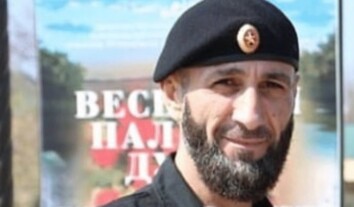
Russian National Guard commander Zelimkhan Akhmerzoev tried in absentia for extorting families of tortured POW and civilians
A Ukrainian court has convicted in absentia a Russian National Guard commander who tortured a prisoner of war and civilians during the occupation of the Zaporizhzhia Region

Six Russian commanders sentenced in absentia for 2022 assault on Zaporizhzhia nuclear plant
Ukrainian court has convicted six Russian National Guard (Rosgvardia) officers in absentia of violating the laws and customs of war over the assault on the Zaporizhzhia Nuclear Power Plant
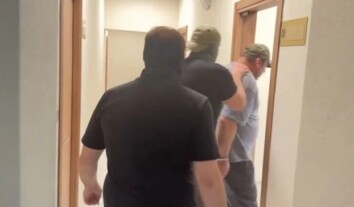
Russian occupation forces detained man in Melitopol over online comments posted in 2022
Russian security forces claim that in September 2022, he posted messages in a public Telegram group for local residents. The occupation authorities classified them as "public calls to the performance of terrorist acts"

Columns

Fighting a ‘holy war’: Why a sacralised war resists Western strategy

“Reaching an agreement with the US on what we disagree on”: What the campaign against ICC means for Ukraine

ICC must remain free from political pressure to bring justice to victims of world’s gravest crimes
Only 5% of those responsible for deporting Ukrainian children face global sanctions