Civil society report on Ukraine’s EU accession finds no progress on LGBTQI+ rights legislation
There has been no progress in Ukraine over the past year in adopting legislation regarding the rights of LGBTQI+ people, particularly in introducing registered partnerships and establishing liability for hate crimes, the shadow report concluded.
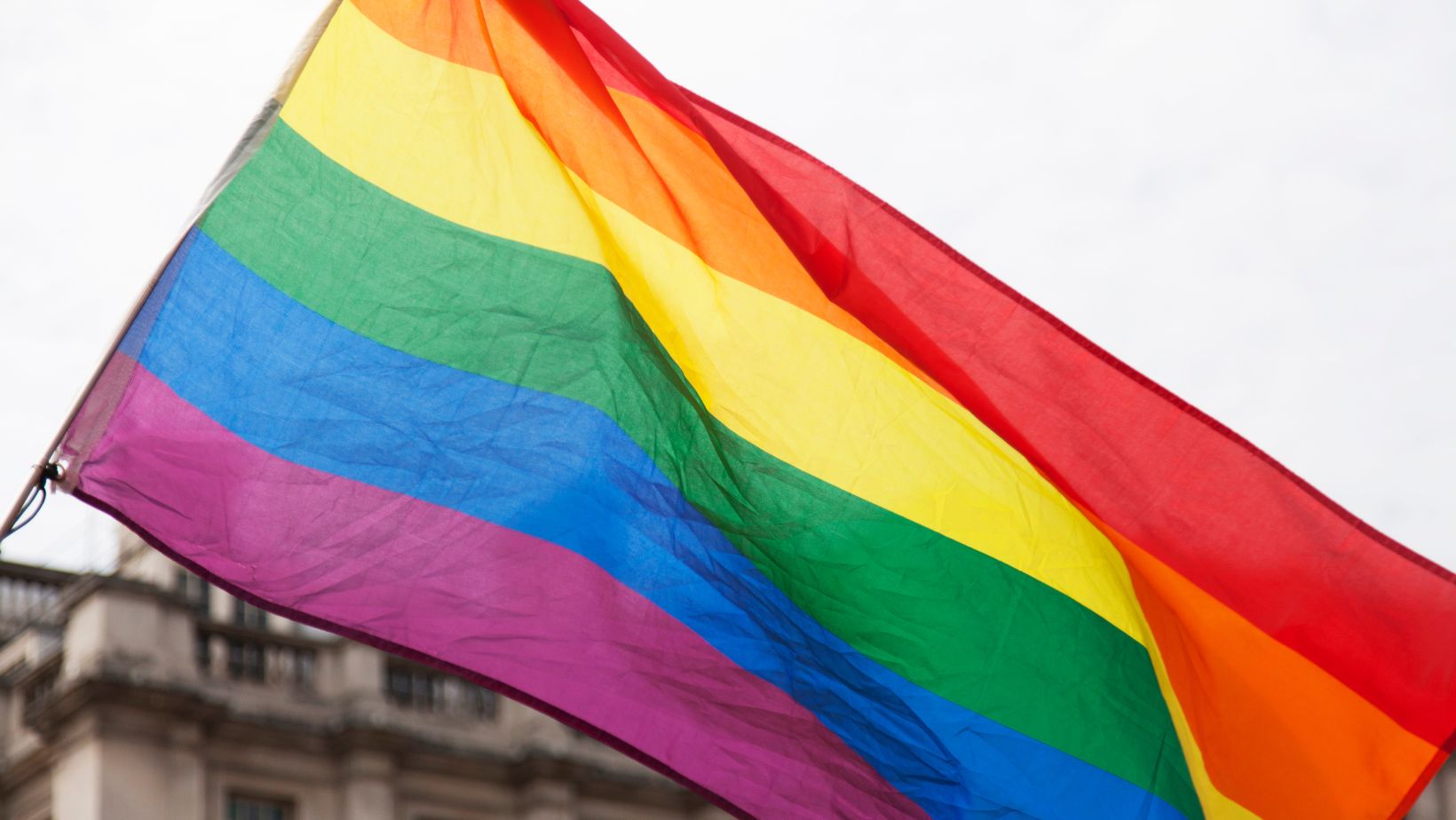
The shadow report on the implementation of European Commission recommendations within the Fundamentals cluster of EU accession negotiations was prepared by a coalition of civil society organisations with the participation of the ZMINA Human Rights Centre.
In 2025, the monitoring network of the LGBT Human Rights Nash Svit Center recorded 60 incidents based on homophobia or transphobia, discrimination and other human rights violations (75 incidents in 2024). Of these, 23 incidents showed signs of hate crimes, and 15 were hate incidents.
The authors of the shadow report draw attention to the fact that there is still no clear legislative definition of hate crimes, particularly those based on sexual orientation and gender identity.
A recommendation from the 2025 shadow report to develop a draft law that would amend the Code of Ukraine on Administrative Offences and the Criminal Code of Ukraine has been partially fulfilled. This legislation would introduce:
- administrative liability for acts of discrimination;
- the commission of a criminal offence motivated by intolerance;
- criminal liability for public calls to violence based on intolerance.
On 4 August 2025, draft law No. 13597 was registered in the Verkhovna Rada. Despite a number of positive changes, the document requires refinement regarding hate speech, multiple and intersectional discrimination, and discrimination by association. In the roadmap on rule of law issues, the adoption of such a law was scheduled for the fourth quarter of 2025, but this deadline was missed.
Furthermore, mechanisms for the legal recognition and protection of same-sex couples are still absent in Ukraine. The Verkhovna Rada has failed to consider or support draft laws Nos. 12252 and 9103, which provide for registered partnerships, including for same-sex couples.
“The European Court of Human Rights ruling in the case of Maymulakhin and Markiv v. Ukraine has still not been implemented. Similarly, the provisions of the rule of law roadmap, which envisaged the adoption of relevant legislation by the third quarter of 2025, have not been realised,” the report states.
However, experts noted that significant progress has occurred in judicial practice. On 25 February 2026, the Supreme Court dismissed a cassation appeal by the NGO “All together!”, which contested a decision to establish the fact of cohabitation as a single family (de facto marital relations) between two men.
You may also want to read: Trans women now find it more difficult to obtain a diagnosis: Stereotypes, corruption and other challenges facing transgender people during wartime
The court of first instance based its decision to establish the fact of cohabitation on the aforementioned ECtHR ruling and the constitutional provision on the equality and dignity of all citizens. It was also based on a Constitutional Court decision which determines that family members can be considered not only relatives, but also people who have lived together and shared a life for a long time. This case represents the first recognition of de facto marital relations between a same-sex couple.
In the draft Civil Code of Ukraine, which the Verkhovna Rada adopted in the first reading, lawmakers attempted to narrow the rights of same-sex couples and LGBTQ+ people. The draft provides for a comprehensive review of family and civil legislation, but does not take into account obligations regarding the creation of mechanisms for the registration of same-sex families. The document defines “de facto family unions” only as cohabitation between persons of different sexes.
“Such an approach effectively makes it impossible for judicial practice to recognise same-sex couples as families, thereby eliminating the limited but established legal protection that currently exists, and reverses judicial progress,” the human rights advocates emphasise.
The draft code also automatically recognises as invalid marriages concluded by people who have legally changed their gender. Such provisions directly interfere with the right to respect for private and family life. Several dozen human rights and civil society associations have issued a joint statement regarding provisions of this draft code that they consider unacceptable.
Previously, ZMINA reported that for Ukraine to become an EU member, it must introduce civil partnerships to ensure the rights of same-sex couples. This condition is provided for in a number of documents, including the EU common position of 12 June.
The 2025 EU enlargement report states that the Verkhovna Rada has not yet made progress in considering two draft laws on the institution of registered partnership. These are draft law No. 12252 from 27 November 2024 and No. 9103 from 13 March 2023, both initiated by Member of Parliament Inna Sovsun.
In June 2025, the Desnianskyi District Court of Kyiv recognised for the first time in Ukraine the cohabitation of a same-sex couple as de facto marital relations. This decision became an attempt to apply European non-discrimination standards.
Want more insight from Ukraine’s human-rights story? Follow ZMINA on X, Bluesky and LinkedIn – and share what matters to you via this short survey here.