Ukraine’s National Preventive Mechanism flags legal gaps in POW camp governance despite satisfactory conditions
Ukraine’s prisoner-of-war camps provide adequate living conditions for food, shelter and hygiene, but operate in a legal grey zone, with no dedicated regulations and no proper management structure, monitors of the National Preventive Mechanism (NPM) have found. Key findings are published in the NPM’s Special Report by the Ukrainian Ombudsman for Human Rights on the prevention of torture and ill-treatment in Ukraine in 2025.
National Preventive Mechanism (NPM) has inspected prisoner-of-war camps and detention units across Ukraine. Monitors say the visits are a key tool for ensuring transparency, preventing torture and upholding Ukraine’s international obligations during wartime.
In 2025, NPM volunteers visited five POW camps – Zakhid-1, Zakhid-2, Zakhid-4, Tsentr-3 and Tsentr-5 – as well as a number of detention units within existing prison and pre-trial facilities.
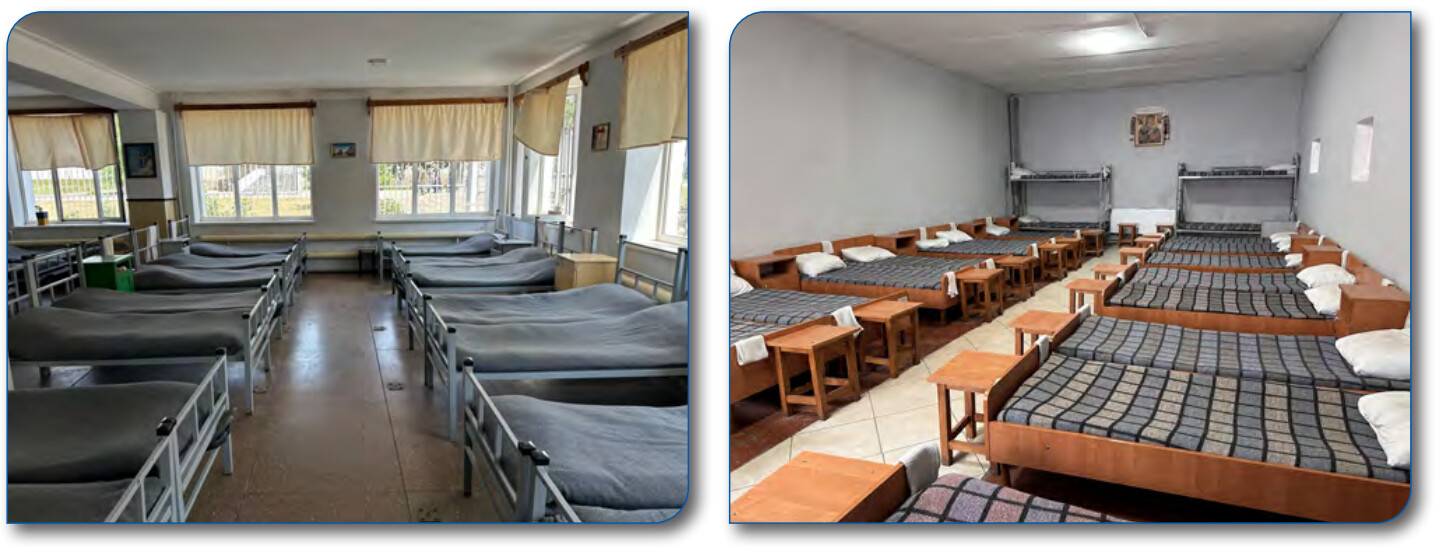
Overall, living conditions were found to meet basic standards. Prisoners are housed in lit, heated rooms that meet space requirements. Each person has a bed, mattress, bedding, a chair and storage for personal belongings.
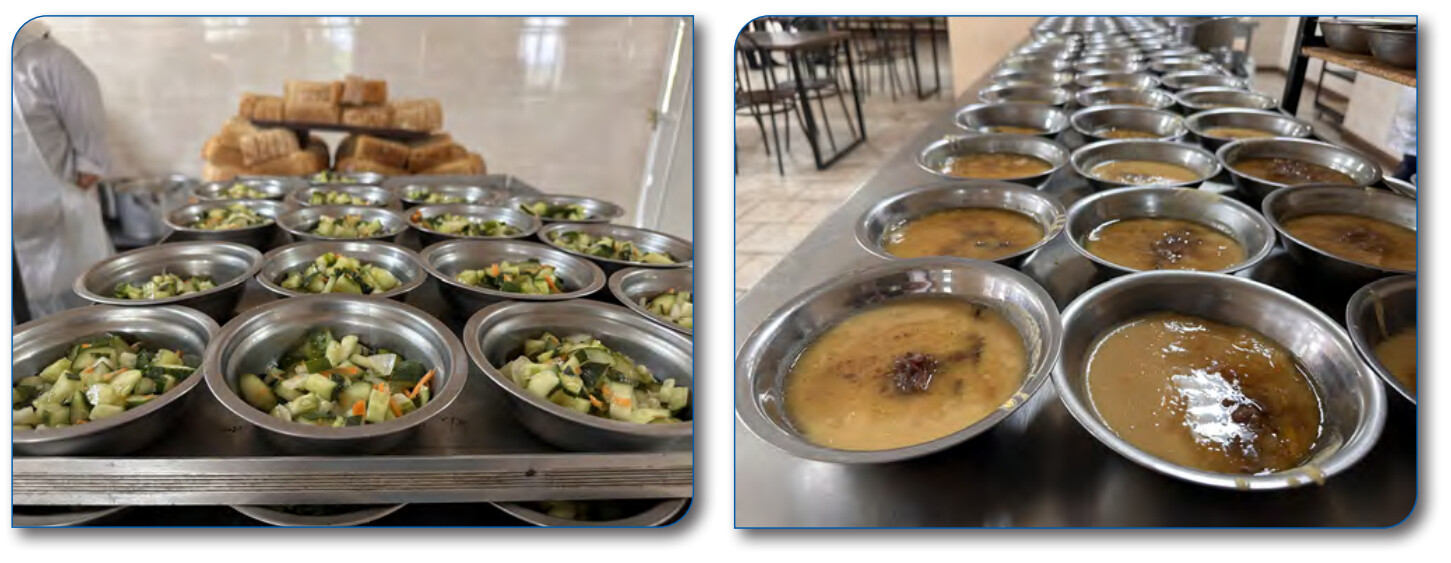
Meals are served three times a day on a fixed schedule. Monitors examined weekly menus and confirmed food was delivered on time and was of adequate quality.
Camps also maintain sufficient stocks of clothing, allowing worn or damaged items to be replaced promptly.
Sanitary facilities – toilets and washbasins with running water – are available in residential areas and are partially or fully partitioned to preserve privacy. Daily wet-floor cleaning and ventilation are carried out according to schedule.
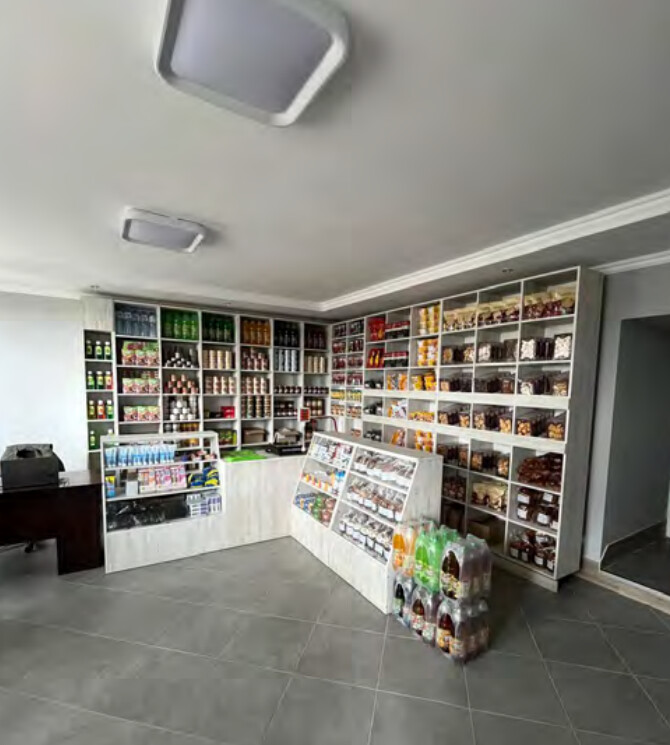
All camps have shops where POWs can purchase additional food, everyday items and tobacco products.
In addition, sports facilities are available for them. Prisoners can play football, volleyball and other games. Participation is voluntary, and prisoners said the activities help them maintain their mental wellbeing.
There were no reported conflicts between prisoners. Monitors noted mutual respect among detainees and said camp administrations were actively managing interpersonal relations, contributing to a stable psychological environment.
In line with the Geneva Convention, prisoners are engaged in organised work. They work in production workshops and perform camp maintenance duties, including cooking, food distribution and keeping canteen areas clean.
However, NPM monitors flagged a problem at Tsentr-3. Staff involved in maintenance work are not included in the facility’s official staffing list. Their pay comes from a special fund fed by irregular, additional income sources. Monitors warned this creates a risk of funding gaps that could disrupt services and worsen living conditions.
Apart of this, at Zakhid-1, some prisoners doing maintenance work reported occasionally working excessively long hours. Working time is not properly recorded at the camp, making it impossible to verify whether legal limits are being respected.
Related: Russian forces widely use sexual violence and torture against detainees, UN reports
Despite the broadly positive picture on living conditions, monitors identified a fundamental problem: there is no dedicated legal framework for running POW camps in Ukraine.
No specialised departmental regulations exist. There are no internal camp rules, no disciplinary procedures for prisoners, no instructions on security and supervision, no rules on the use of monitoring equipment and no defined material welfare standards.
As a result, camp administrations are forced to fall back on regulations designed for ordinary prisons – rules that do not account for the specific legal status of prisoners of war.
Monitors also found no dedicated management structure within Ukraine’s State Criminal-Enforcement Service responsible for overseeing the camps. Without one, camp administration mirrors standard prison management rather than reflecting the distinct requirements of POW detention.
On 24 July, 2025, the OSCE invoked the Moscow Mechanism after 41 participating states, in consultation with Ukraine, requested that the Office for Democratic Institutions and Human Rights examine the treatment of Ukrainian prisoners of war by Russia. Ukraine established a mission of three experts on August 15 to investigate possible violations of OSCE commitments, international humanitarian law, and international human rights law.
The OSCE mission found that Russia systematically denies prisoner of war status to Ukrainian combatants, subjects them to widespread torture and ill-treatment, including severe beatings, electric shocks, sexual violence, and mock executions, and conducts arbitrary killings and executions both on the battlefield and in detention.
You may also want to read: Russian general Roman Demurchiev brags to wife about torturing and executing Ukrainian POWs
Russian officials’ public statements declaring “no quarter will be given” encourage summary executions. Detention conditions fall below international standards, with overcrowding, inadequate food and medical care, and forced labor. POWs are denied fair trial guarantees through coerced confessions and unfair proceedings, while family communication and International Committee of the Red Cross access remain severely restricted. The mission concluded these violations constitute war crimes and, in some cases, arguably crimes against humanity.
At least 13,500 members of the Ukrainian Armed Forces have been captured by Russia since February 2022. Approximately 169 have died in captivity, nearly 6,800 have been released, and an estimated 6,300 remain in detention across multiple sites in Russia and temporarily occupied Ukrainian territories.
Stay connected with us via X, Bluesky and LinkedIn – and while you’re here, please spare five minutes to fill out our survey and tell us what you’d like to see next.