Torture of Ukrainian prisoners of war in Mordovia: Number of victims in Russian medic’s case increases
The Main Investigation Directorate of the Security Service of Ukraine (SBU) has updated its notice of suspicion against a Russian medic suspected of torturing Ukrainian prisoners of war at a penal colony in Mordovia, Russia, as law enforcement has learned of new victims, according to the Book of Executioners of the Ukrainian People.
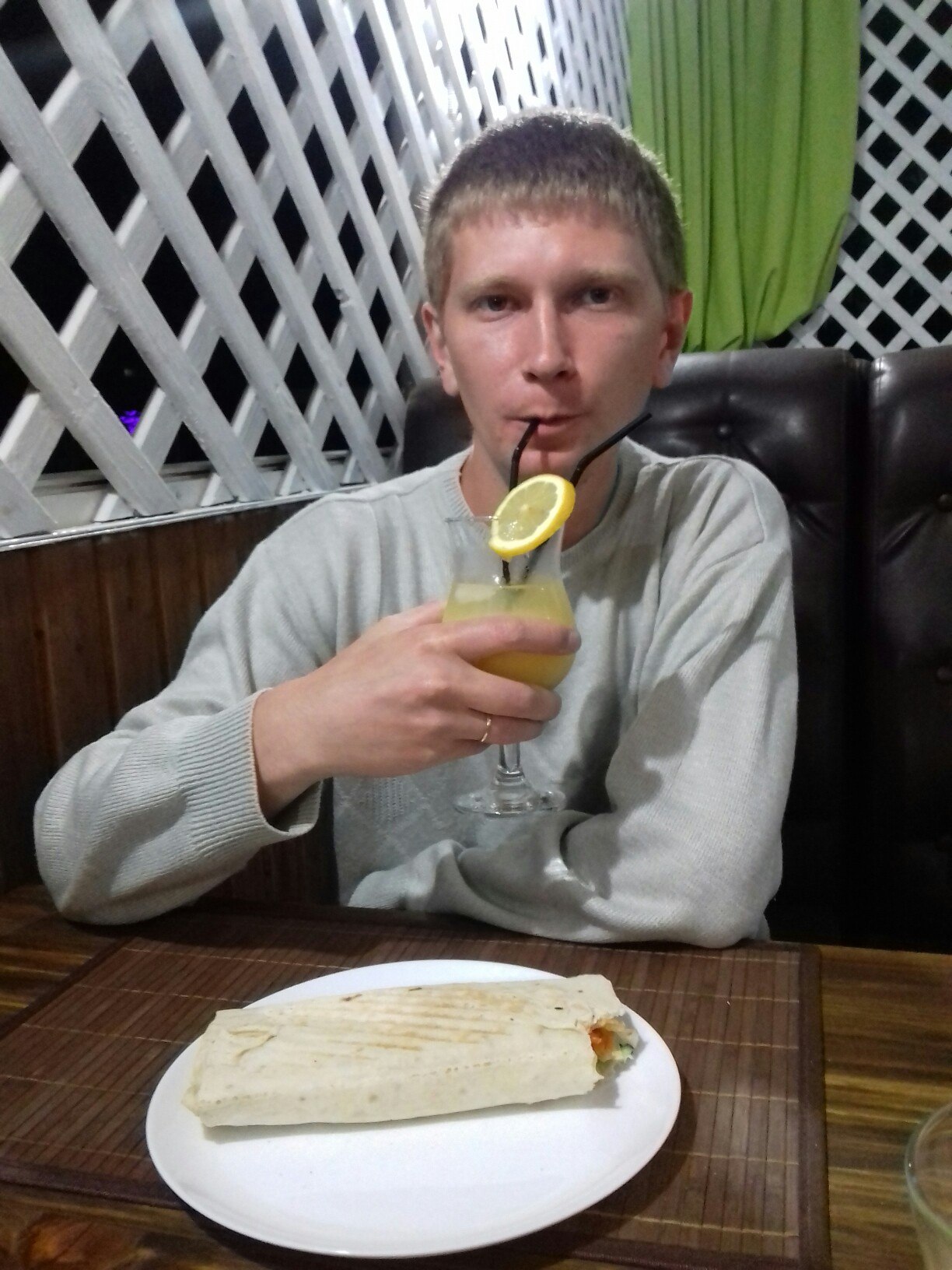 The suspect. Photo: Myrotvorets website database
The number of victims in the case has increased from 16 to 29.
The man suspected of torture is Ilia Sorokin, who works as a paramedic at the medical unit of Penal Colony No. 10 in the Russian republic of Mordovia. He is a father of two children, and in 2018 he illegally crossed the state border of Ukraine and travelled with his family for a holiday to temporarily occupied Crimea, which he reported on social media. His identity was established last summer by journalists from Schemes, an investigative project of Radio Free Europe/Radio Liberty, who spoke with soldiers released from Russian captivity.
At the time, at least 150 people identified Sorokin from a photograph, stating that the Russian had earned the nickname ‘Doctor Evil’ for his cruelty.
“He got aesthetic pleasure from the fact that you are bent over in front of him, your hands are raised, you have nothing, your eyes are closed, but at the same time he kicks you between the legs, hits you in the solar plexus, hits you in the liver, hits you with a rubber baton, a stun gun. He also says that people like us need to be subjected to genocide,” recalled Pavlo Afisov, an officer of the 36th Separate Marine Brigade, of his year and a half in captivity in Russia.
In total, almost 200 Ukrainian prisoners of war could have passed through the colony in Mordovia.
Investigators said that Sorokin beat victims with a pipe and used electric shocks, luring them under the pretence of a medical examination, and denied painkillers to those who were wounded. The Ukrainian soldiers sometimes lost consciousness and could not feel various parts of their bodies for a long time after the abuse.
To provide background, almost all Ukrainian military personnel who returned from Russian captivity have survived brutal torture, for which Russian prison guards may receive additional pay. Those guards whom journalists managed to reach by phone say they know nothing about the violence.
Some of those released from Russian captivity die at home because they developed severe health problems in detention. ZMINA has reported at least four such stories: Oleh Mudrak, Dmytro Shapovalov, Valerii Zelenskyy and Oleksandr Savov.
At the same time, Mikhail Radygin, a Russian released from Ukrainian captivity, spoke on regional television at home a few years ago about how good his experience in captivity in Ukraine was. As a result, the authorities had to delete this report.
Join our community on X, BlueSky and LinkedIn, and while you’re reading, let us know how we can serve you better – take our feedback survey here.