Seventy-two killed as rescue operation ends at site of Russian strike in Komyshuvakha, Zaporizhzhia region
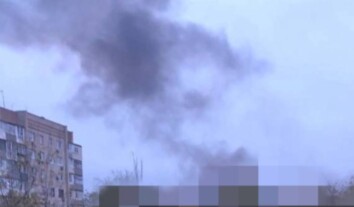
Search and rescue operations at the site of a 2 November Russian attack in Komyshuvakha, Zaporizhzhia Region (Oblast), have been completed, the State Emergency Service of Ukraine reported. A total of 72 people were killed in the attack, while four others remain missing. Four people rescued in the first hours after the strike remain in hospital.
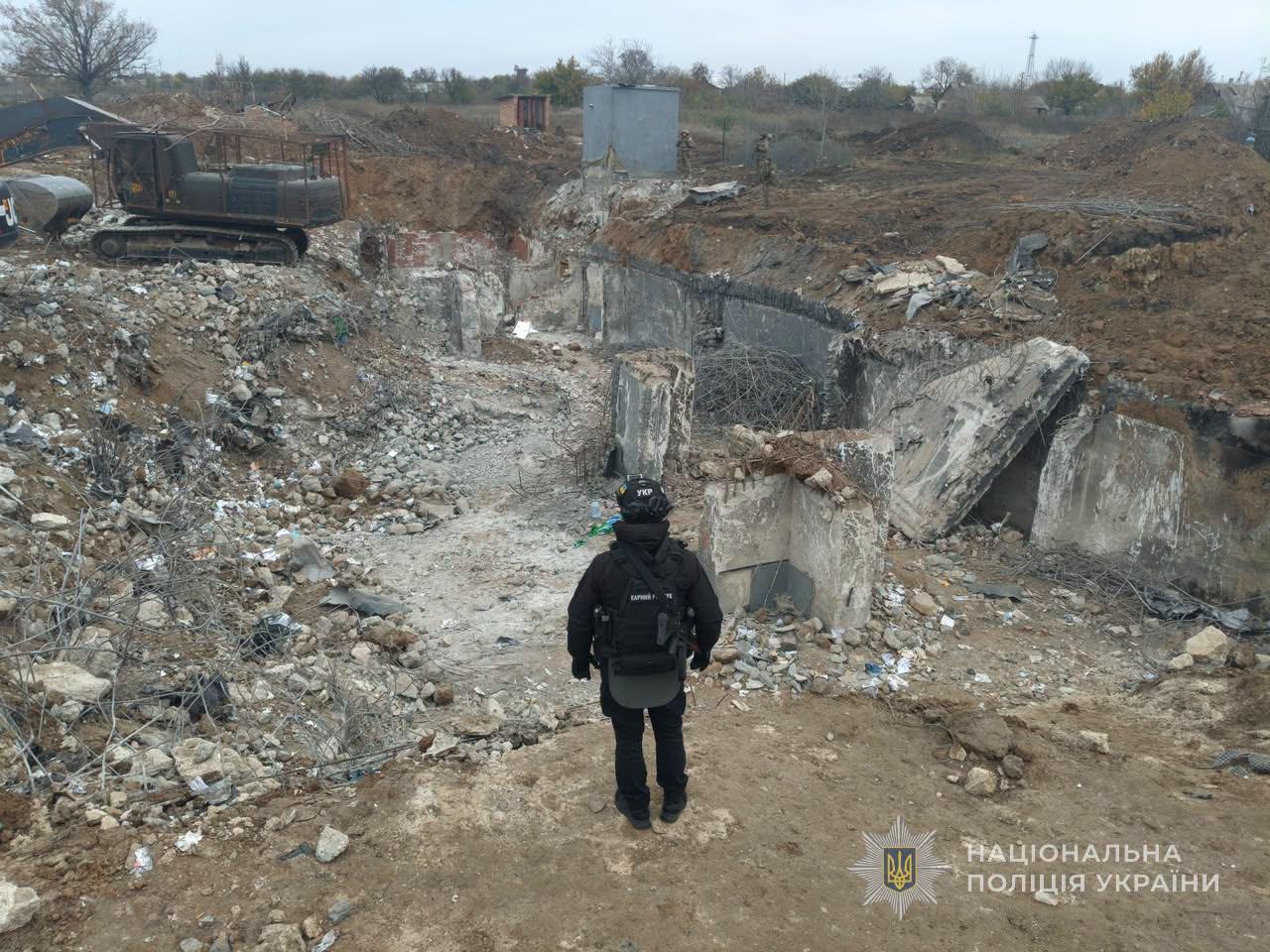
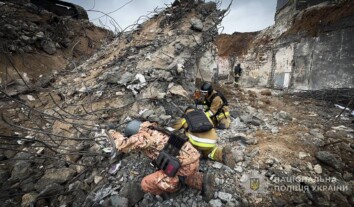
The search and rescue operation lasted two weeks, during which emergency responders and police officers worked under constant threat of repeat Russian strikes, the State Emergency Service said. In total, Russian forces attacked the settlement 11 times over this period, with nine attacks occurring directly at the site of the rescue work.
Three police officers and four emergency responders were injured as a result of these strikes, and equipment was damaged.
Engineering equipment and dog handlers were brought in to clear the rubble and search for bodies. The Zaporizhzhia Scientific Research Forensic Centre of the Ministry of Internal Affairs of Ukraine, together with specialists from the centre for tracking persons missing under special circumstances, conducted 248 DNA tests, zprz.city reported.
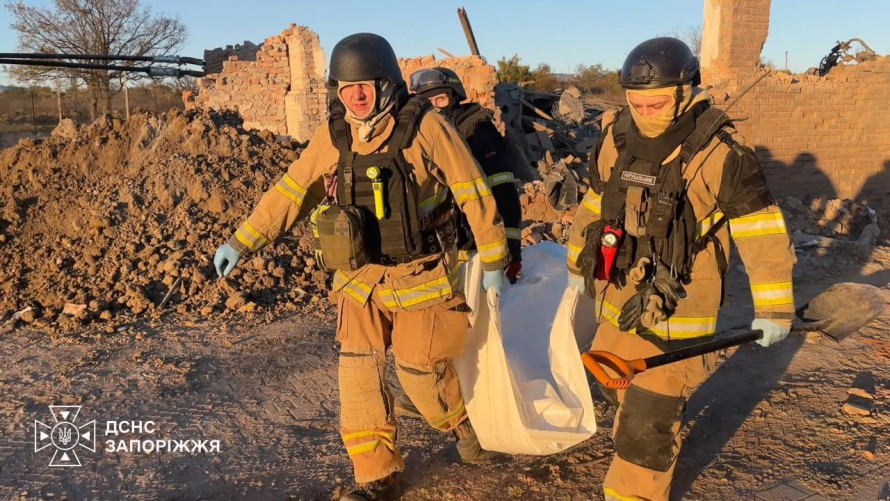
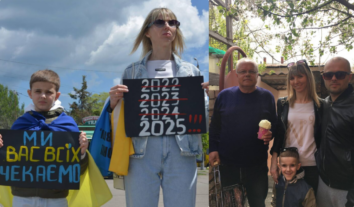
Among the 72 people killed were emergency responders, police officers, employees of a school and an administrative services centre, utility workers and medical personnel. A teacher who came to the shelter daily to conduct online lessons for children who had left the “hromada”, a local government area that includes one or more nearby settlements, was also killed. Four people rescued in the first hours after the attack remain under medical supervision.
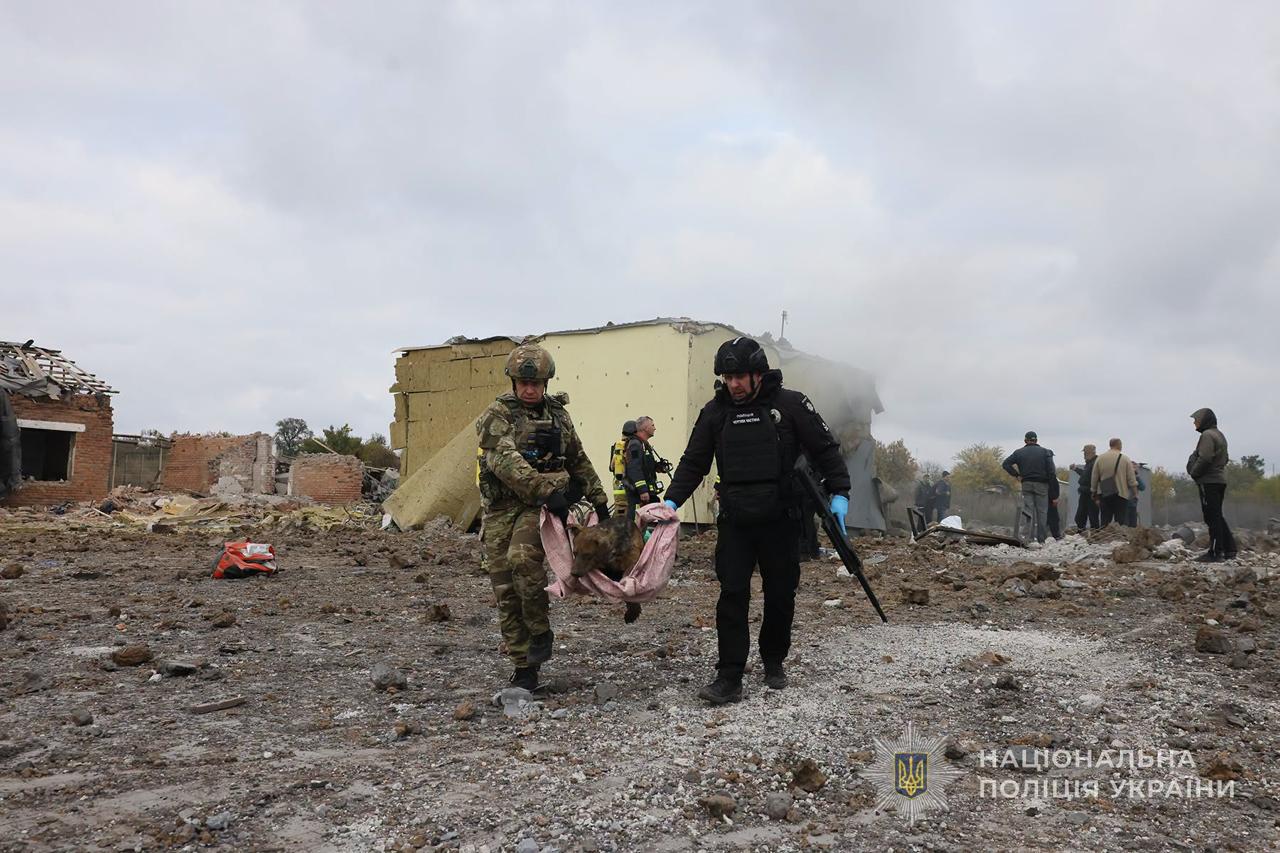
The State Emergency Service expressed gratitude to the rescue workers, police officers, volunteers and military personnel who worked at the site of the tragedy just a few kilometres from the front line.
On 2 November 2026, Russian forces launched a series of air strikes on Komyshuvakha. They initially attacked the Dzherelo school, where residents were receiving humanitarian aid, and later dropped a three-tonne aerial bomb on an underground shelter where people were taking cover.
Russian forces continued attacking the site of the tragedy during search operations. On 8 November, they struck State Emergency Service units three times with drones. Two rescue workers were injured in those attacks, and specialised equipment was damaged.
Under international humanitarian law, civilians and civilian objects are protected from attack. Intentional strikes on civilians, including those receiving humanitarian aid, can constitute war crimes.
Related: Russian drone strike on Dnipro railway station kills 14 and injures 13
To provide background, previously, US president Donald Trump assisted Russia in enforcing its war economy by suspending tariffs and sanctions against the largest buyers of Russian oil. The measures were provided under the Lindsey Graham Act, which he signed in September.
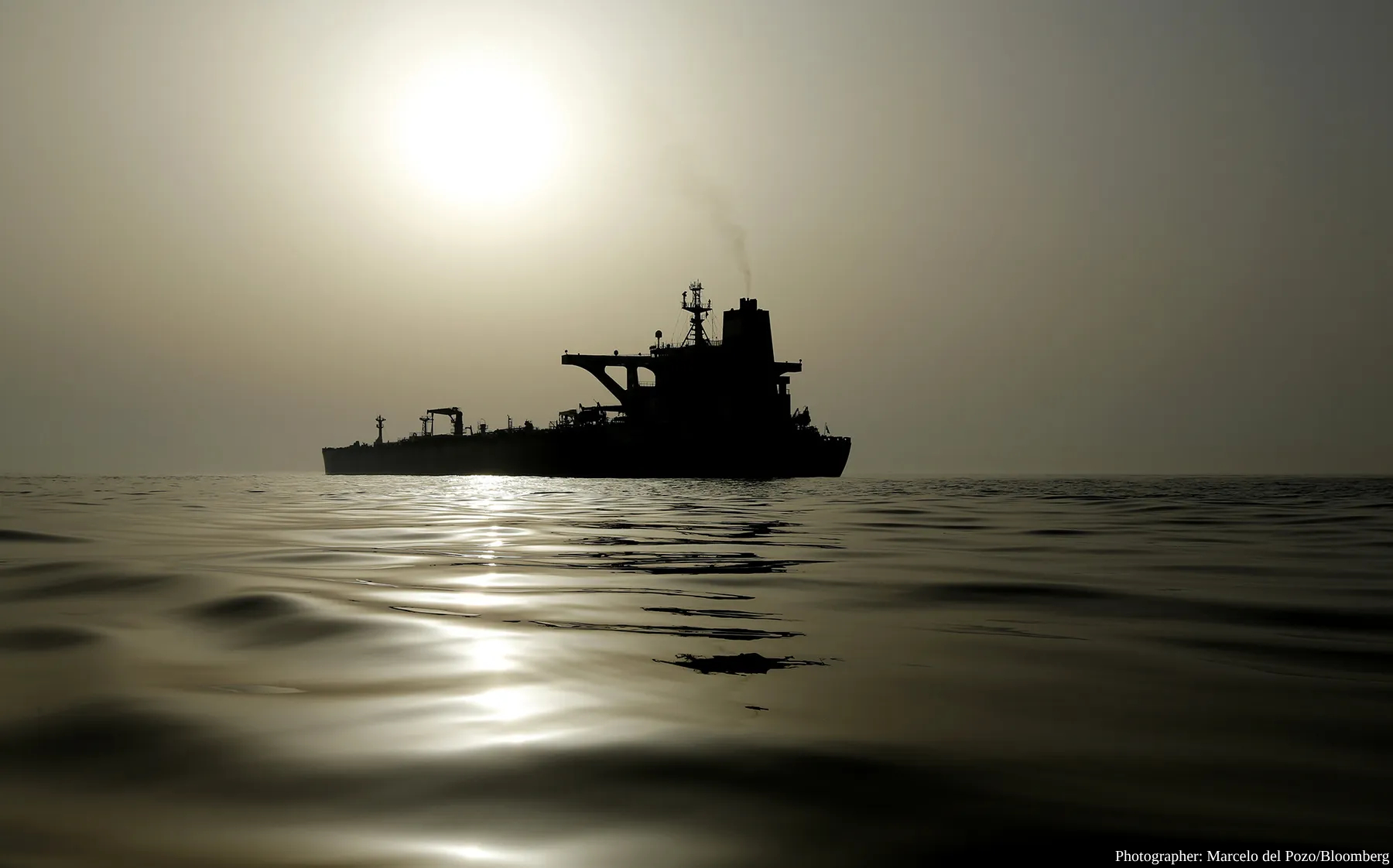 Russia shipped 3.55 million barrels a day of crude in the four weeks to 25 October, with a rebound in cargoes leaving the Baltic port of Primorsk. Photographer: Marcelo del Pozo/Bloomberg
On 12 November 2026, President Volodymyr Zelenskyy stated that the Ukrainian military had reported “systematic speed restrictions” imposed for several days on Starshield – the Starlink service funded by the Pentagon and designed for military use – over the front line in Ukraine and in Russian-occupied territory.
Related: US firms account for over 75% of parts in examined Geran-4 controller
Senior Ukrainian officials told the Financial Times that they believed the speed restrictions were imposed to pressure Kyiv during the latest peace talks with Russia, which concluded in Abu Dhabi the previous day.
One senior Ukrainian official stated that it appeared Washington wanted to strengthen Russia’s position in the talks.
One of the Starshield restriction cases occurred in mid-October 2026. This made it more difficult for the Armed Forces of Ukraine to use interceptor drones against Russian UAVs and to carry out reconnaissance and strike operations.
Related: Zelenskyy says Musk’s SpaceX restrictions on Starlink will cost lives in Ukraine
Human rights organisations and Ukrainian authorities emphasise that structural economic pressure remains a key tool to halt such atrocities. They urge every nation and individual government worldwide to strictly enforce global sanctions, close existing regulatory loopholes, and completely sever remaining commercial and technological ties with the Russian Federation. Civil society groups stress that any continued cooperation by foreign businesses directly contributes to the resources Moscow uses to sustain its ongoing war crimes and crimes against humanity in Ukraine.
Stay connected with us via X, Bluesky and LinkedIn – and while you’re here, please spare five minutes to fill out our survey and tell us what you’d like to see next.