Human rights defenders document 26 cases of pressure against journalists and activists in Crimea over the past year – ZMINA
Over the past year, human rights defenders have recorded at least 26 cases of pressure, threats and harassment against journalists, bloggers and activists, ranging from searches and “preventive interviews” to criminal prosecutions and the application of so-called “foreign agent” laws. Nari Usenko, a human rights advocate of the ZMINA Human Rights Centre, announced this data on May 27 during a consultative meeting with UNESCO held at the Mission of the President of Ukraine in the Autonomous Republic of Crimea.
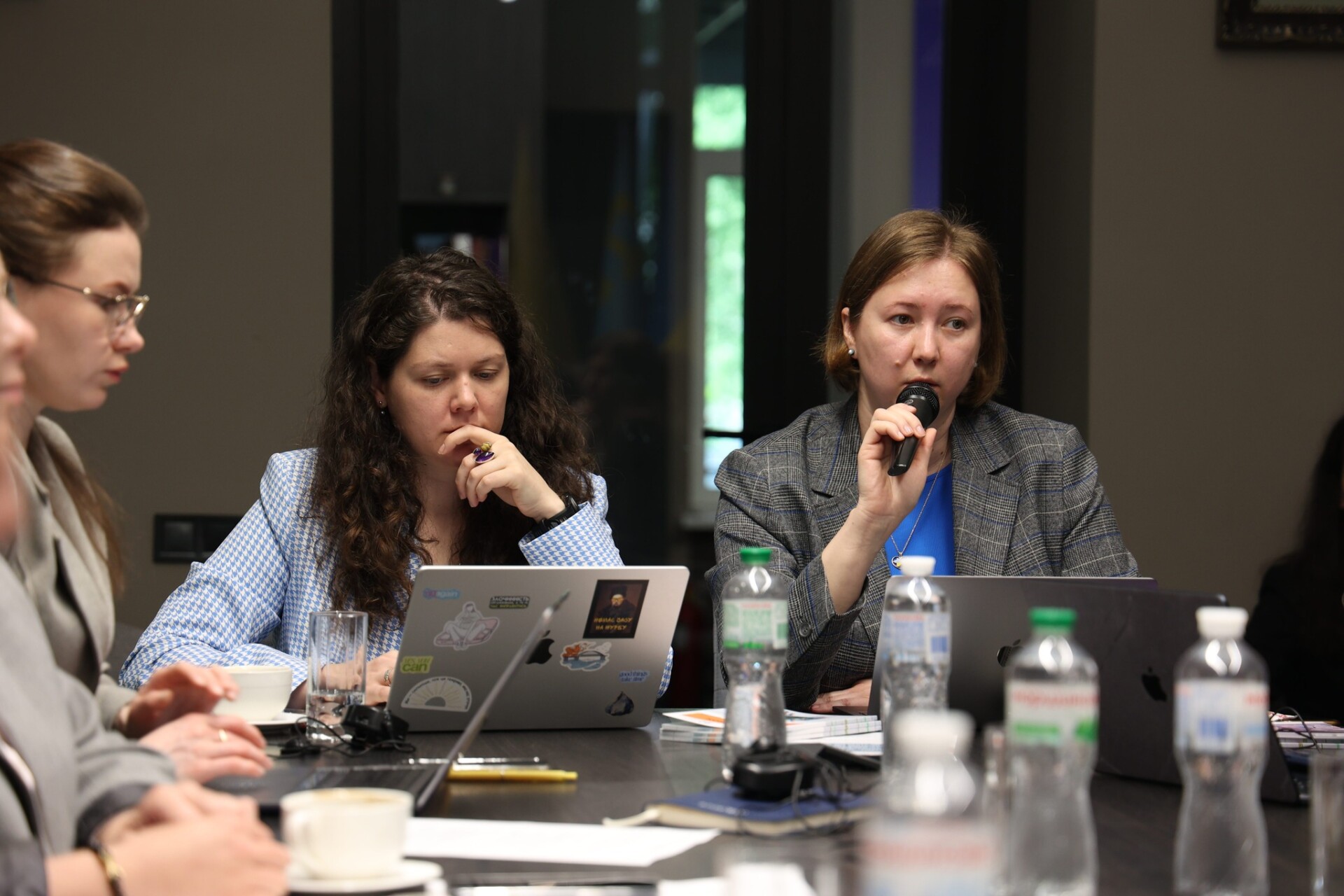 Participants of the consultative meeting. Photo credit: Mission of the President of Ukraine in the Autonomous Republic of Crimea
Legal proceedings, administrative cases and extrajudicial pressure remain the primary forms of harassment against journalists, bloggers and online activists, she said, citing ZMINA Human Rights Centre monitoring from April 2025 to May 2026.
Key trends include the use of “foreign agent” legislation, in absentia criminal prosecutions of journalists who have fled temporarily occupied Crimea, and pressure on Crimean journalists through searches, “preventive conversations” and summonses by illegitimate security forces.
However, the low number of documented attacks does not indicate an improvement in press freedom, the researcher noted. Instead, it reflects the virtual destruction of independent journalism on the peninsula since the occupation of Crimea began in 2014, compounded by additional restrictions imposed after Russia’s full-scale invasion.
“Russia continues to build a model of total control over the information space in Crimea. Independent journalism there has been virtually forced out, and any attempts to cover human rights violations or criticize the occupation authorities carry the risk of persecution.”
The consultative meeting, which included experts, human rights advocates and the UNESCO Antenna in Ukraine, also addressed new mechanisms of information control introduced by Russia in the occupied territory.
Olha Kuryshko, the Permanent Representative of the Ukrainian president in the Autonomous Republic of Crimea, said Russia systematically uses culture, history and the information space as weapons of war against Ukrainian and Crimean Tatar identities.
“For Russia, it is the norm to mentally and physically destroy everything Ukrainian, erase memory, rewrite history and suppress identity,” Kuryshko said.
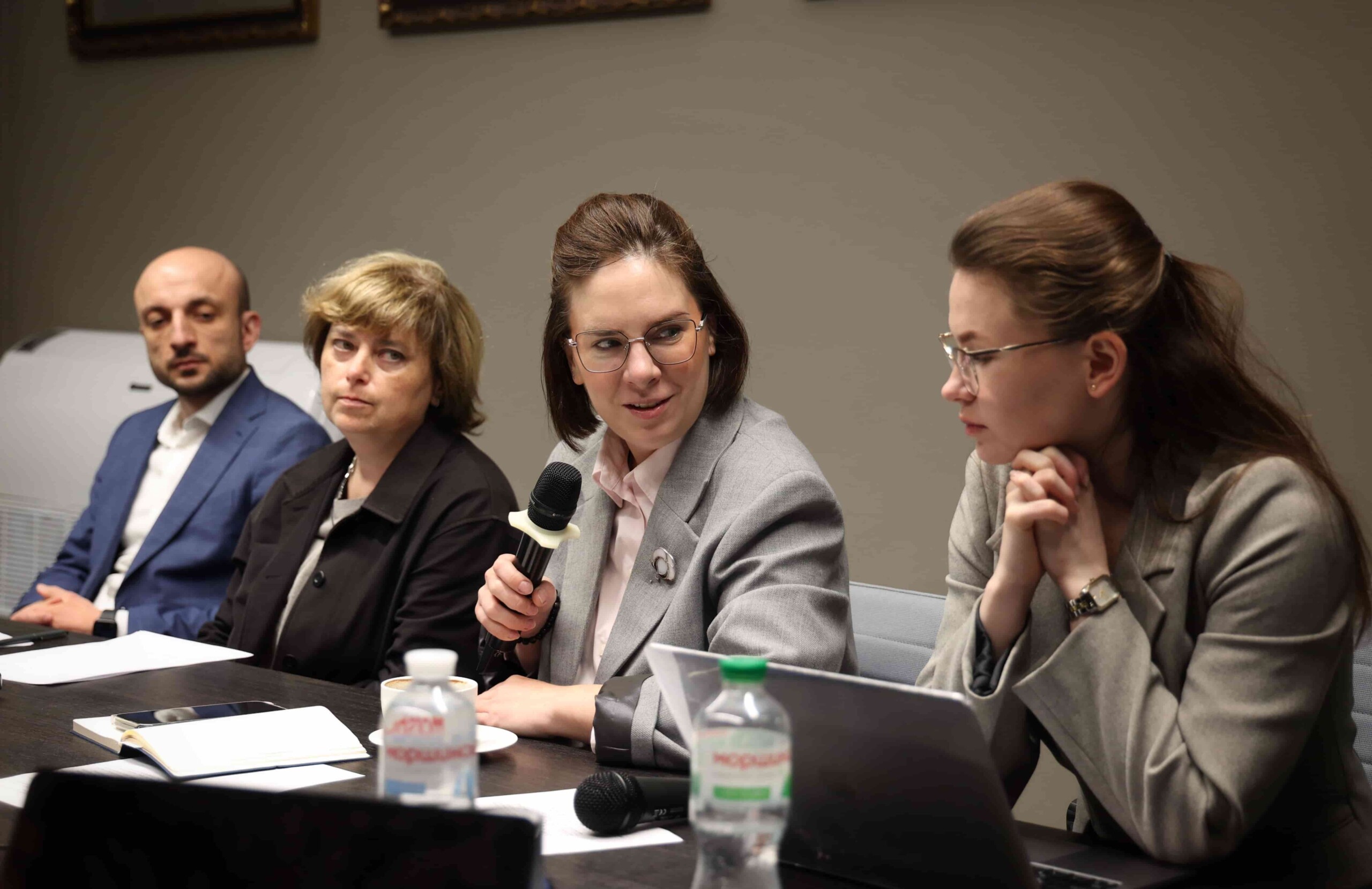 Olha Kuryshko with a microphone. Photo credit: Mission of the President of Ukraine in the Autonomous Republic of Crimea
Chiara Dezzi Bardeschi, head of the UNESCO Desk in Ukraine, emphasised the importance of continuous international monitoring of the situation in occupied Crimea and the documentation of human rights violations.
“We value this cooperation and understand how important it is today not only to document violations but also to strengthen practical collaboration to respond to them,” she said.
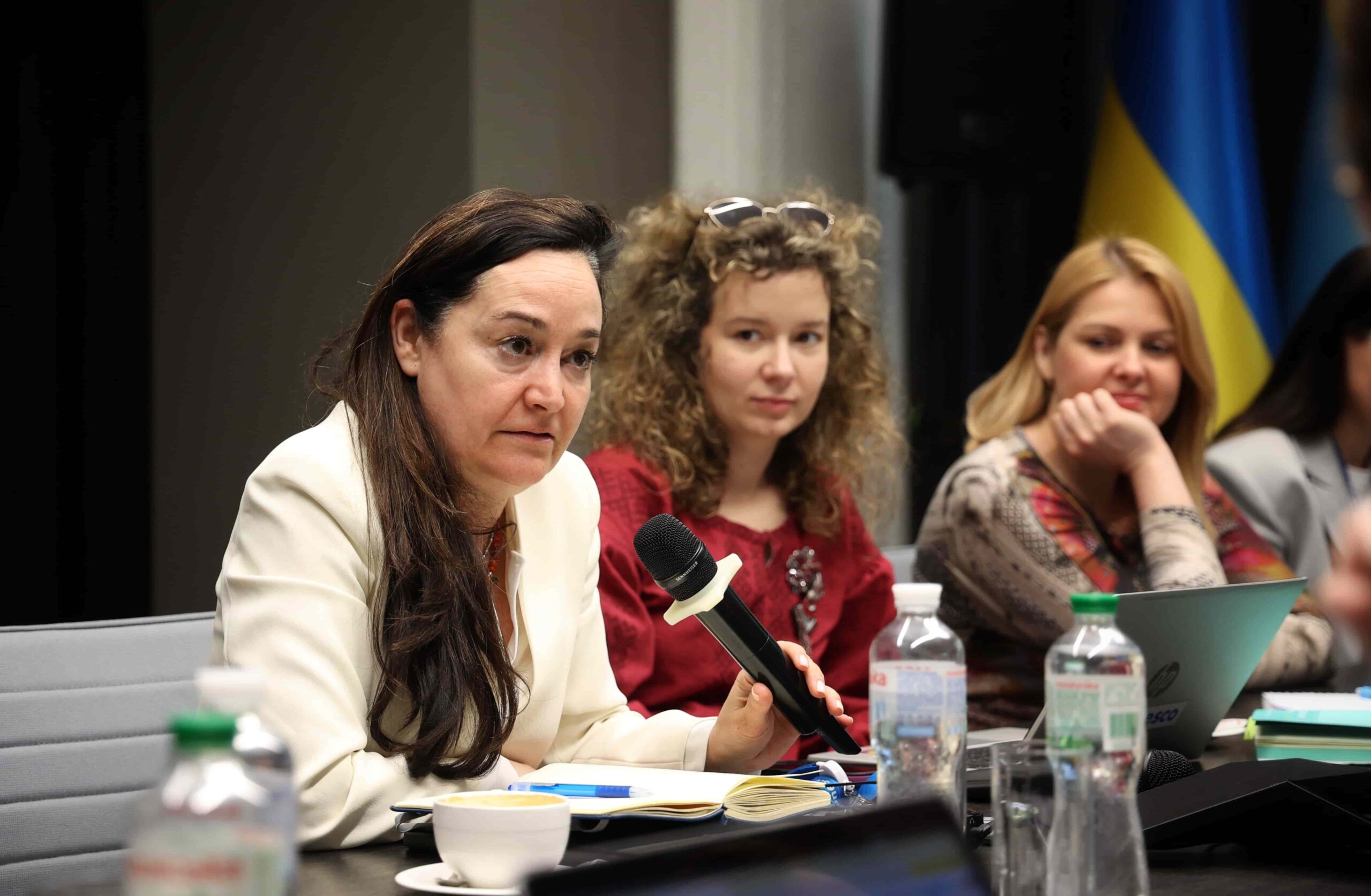 Chiara Dezzi Bardeschi, head of the UNESCO Desk in Ukraine. Photo credit: Mission of the President of Ukraine in the Autonomous Republic of Crimea
Human rights advocates also highlighted the tightening of Russian legislation used to suppress freedom of speech in the occupied territories. Specifically, in 2025, Russia expanded regulations on so-called “foreign agents”, increased penalties for “defamation,” and introduced new mechanisms to prosecute individuals who search for “extremist materials” online.
In addition, occupation authorities continue to restrict journalists’ access to trials in politically motivated cases under the pretext of “counterterrorism security”. Since the start of the full-scale war, independent and citizen journalists have effectively been barred from entering “court” buildings in the temporarily occupied Autonomous Republic of Crimea.
The meeting also addressed the militarisation of education, the rewriting of history to align with Russian propaganda narratives, violations of the cultural rights of Crimean Tatars, the destruction of cultural heritage, and environmental threats on the occupied peninsula.
At the conclusion of the event, participants emphasised the need for further cooperation with international organisations, particularly UNESCO, to document human rights violations and protect the cultural and natural heritage of occupied Crimea.
ZMINA previously reported that the Crimean Human Rights Group had submitted materials to the United Nations concerning Russian disinformation as a tool to pressure cultural rights during wartime.
Stay connected with us via X, Bluesky and LinkedIn – and while you’re here, please spare five minutes to fill out our survey and tell us what you’d like to see next.