The Verkhovna Rada Committee on Freedom of Speech condemned the pressure on journalists in Crimea following the detention of Lenora Dyulber
The Verkhovna Rada Committee on Freedom of Speech condemned the illegal actions of the occupying authorities in the Autonomous Republic of Crimea following the search and detention of Crimean Tatar journalist Lenora Dyulber. In its statement, the committee emphasized that such incidents are part of systematic repression against independent media workers on the peninsula.
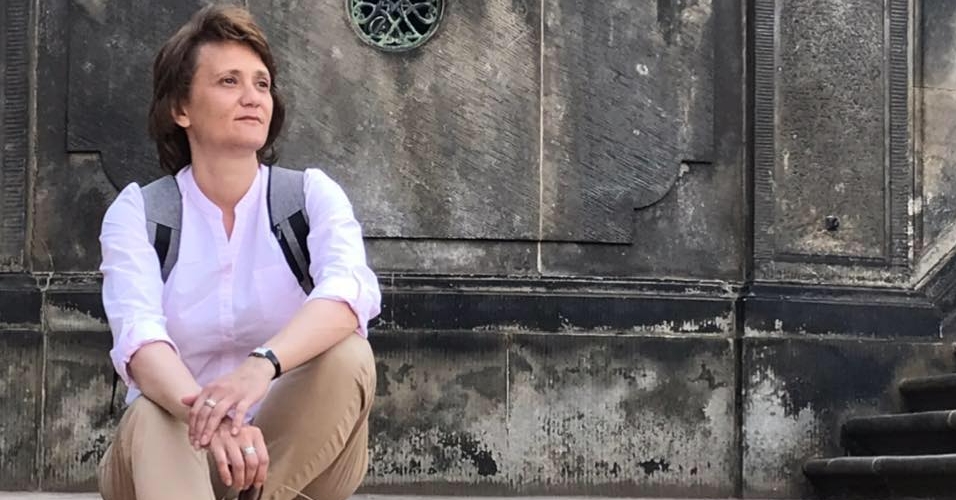 Lenora Dyulber
The committee’s statement notes that the persecution of journalists violates international law and is aimed at suppressing any independent information about the situation under occupation.
“Freedom of speech is a fundamental value and cannot be grounds for repression. We call on the international community to condemn the illegal actions of the occupying authorities and increase pressure on the aggressor state,” the statement reads.
Additionally, the committee appealed to international organizations and the governments of democratic countries to strengthen monitoring of violations of journalists’ rights in Crimea and support those facing the threat of persecution. The statement also demanded an immediate end to the repressions and the release of all illegally detained journalists.
ZMINA previously reported that Lenora Dyulber, a Crimean Tatar journalist and political scientist who was illegally taken to temporarily occupied Simferopol by Russian security forces following a search of her home in Sudak, was released after eight and a half hours.
Occupying forces conducted a so-called “inspection of the premises” under a warrant from the illegitimate “Kyiv District Court” in Simferopol, seizing equipment and reviewing her personal materials, including academic papers.
The Mission of the President of Ukraine in the Autonomous Republic of Crimea called these actions of the Russian Federation another instance of targeted pressure on active Crimean residents who are resisting the Russian occupation.
“The occupation administration’s actions align with the broader logic of repression and persecution aimed at suppressing freedom of speech, halting the professional work of journalists, and further displacing Ukraine’s indigenous people from temporarily occupied Crimea,” the statement reads.
You may also want to read: List of imprisoned Ukrainian journalists 2025 in temporarily occupied Crimea
The Mission condemned these actions, labeling them illegal, and called on international institutions, human rights organizations, and the media to continue documenting instances of persecution in Crimea. This is necessary to ensure future legal assessment, hold perpetrators accountable, increase pressure on Russia from international partners, and expand coverage of Russia’s crimes in occupied Crimea, the institution elaborated.
On the same day, the Verkhovna Rada decided to create a Temporary Investigatory Commission (TIC) to investigate crimes committed by the Russian Federation against Ukrainian journalists and media workers. The powers of the newly created TIC will include collecting evidence regarding violations, monitoring the situation, and facilitating the prosecution of those responsible.
Follow ZMINA on X and LinkedIn for daily human rights coverage from Ukraine – we invite you to share your feedback on what you’d like to see more of in our survey here.