Moscow strikes Kyiv, Kharkiv, and Zaporizhzhia Oblasts after sanctions lifted by U.S.; casualties reported
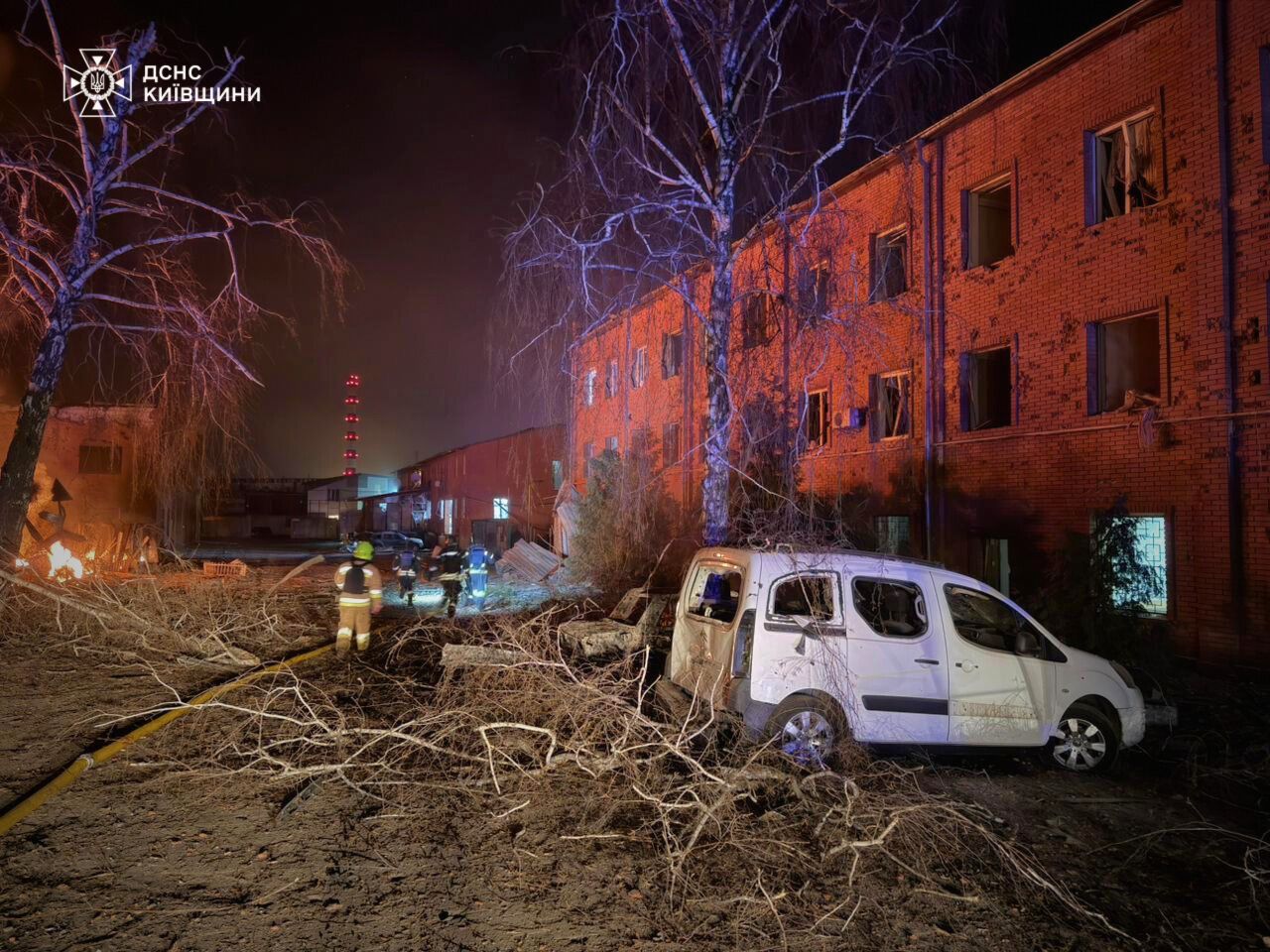
After Washington lifted sanctions on Russia, Moscow launched a wave of attacks across Ukrainian regions on the night of March 14, 2026, according to the State Emergency Service (SES) and the head of the Kyiv Regional Military Administration, Mykola Kalashnyk. The Kyiv region suffered the heaviest losses, with four people killed and at least 15 others injured. Additionally, four people were reported wounded following an attack on the Zaporizhzhia District. In the Kharkiv Oblast, Russian shelling injured two employees of Ukrzaliznytsia (Ukrainian Railways).
According to preliminary data, three of the victims are in critical condition, and two are currently undergoing surgery. All of the wounded are receiving the necessary medical care.
Ordinary settlements across the Kyiv Oblast were targeted, including residential buildings, educational institutions, businesses, and critical infrastructure facilities.
President Volodymyr Zelenskyy said that during the night, Russia used around 430 drones of various types and 68 missiles, including 13 ballistic missiles.
“The main target for the Russians was the energy infrastructure of Kyiv Oblast, but sadly, there were also direct hits and damage to ordinary residential buildings, schools, and civilian businesses. As of now, four people have been reported killed. My condolences to their families and loved ones. Many people have been injured, and some are still seeking medical assistance,” President Zelenskyy said on X.
The Kyiv Oblast Prosecutor’s Office reported that in total, five educational institutions — including a kindergarten, three schools, and a vocational school — were damaged in an attack by Russians on the Kyiv region.
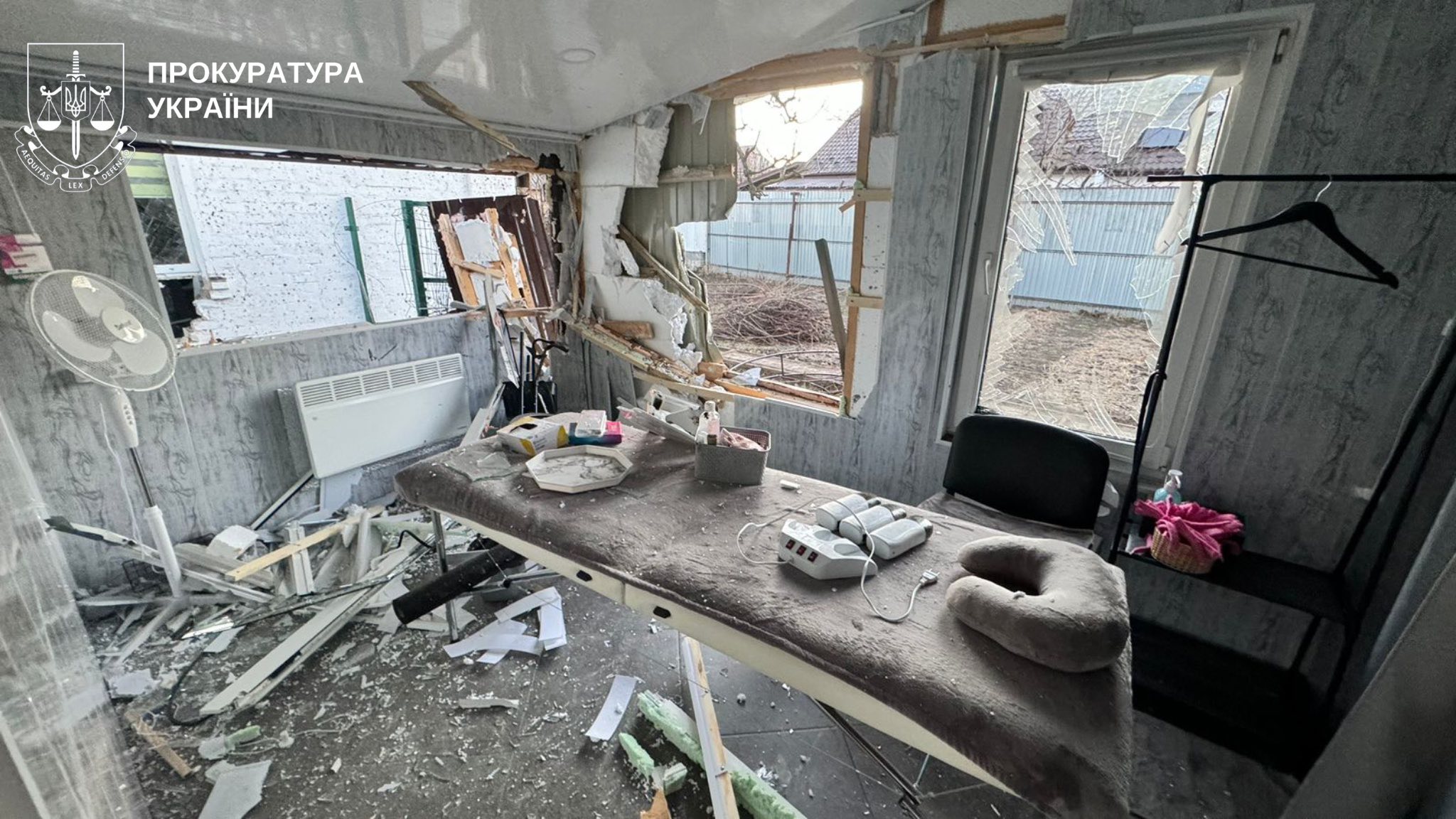
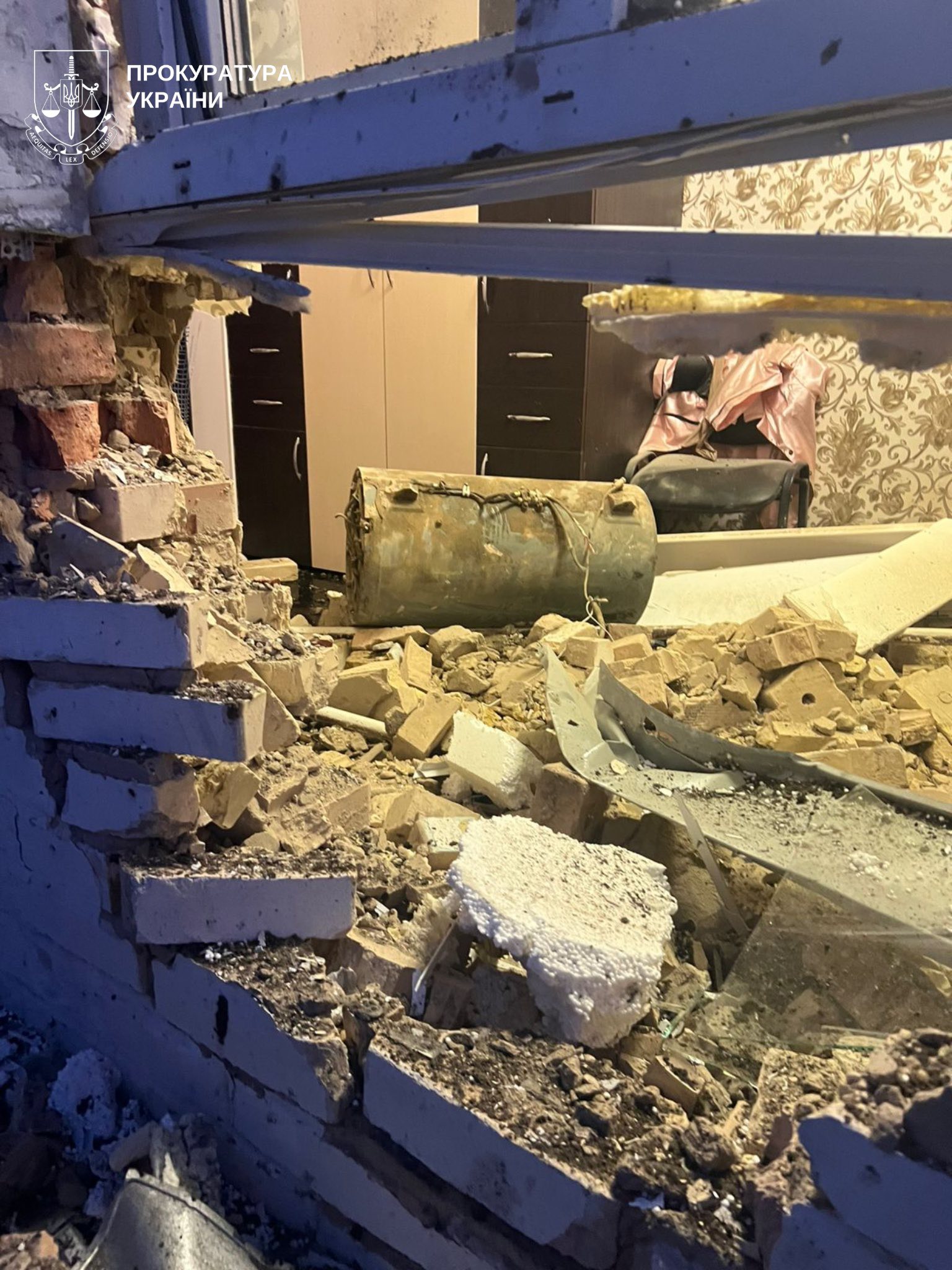
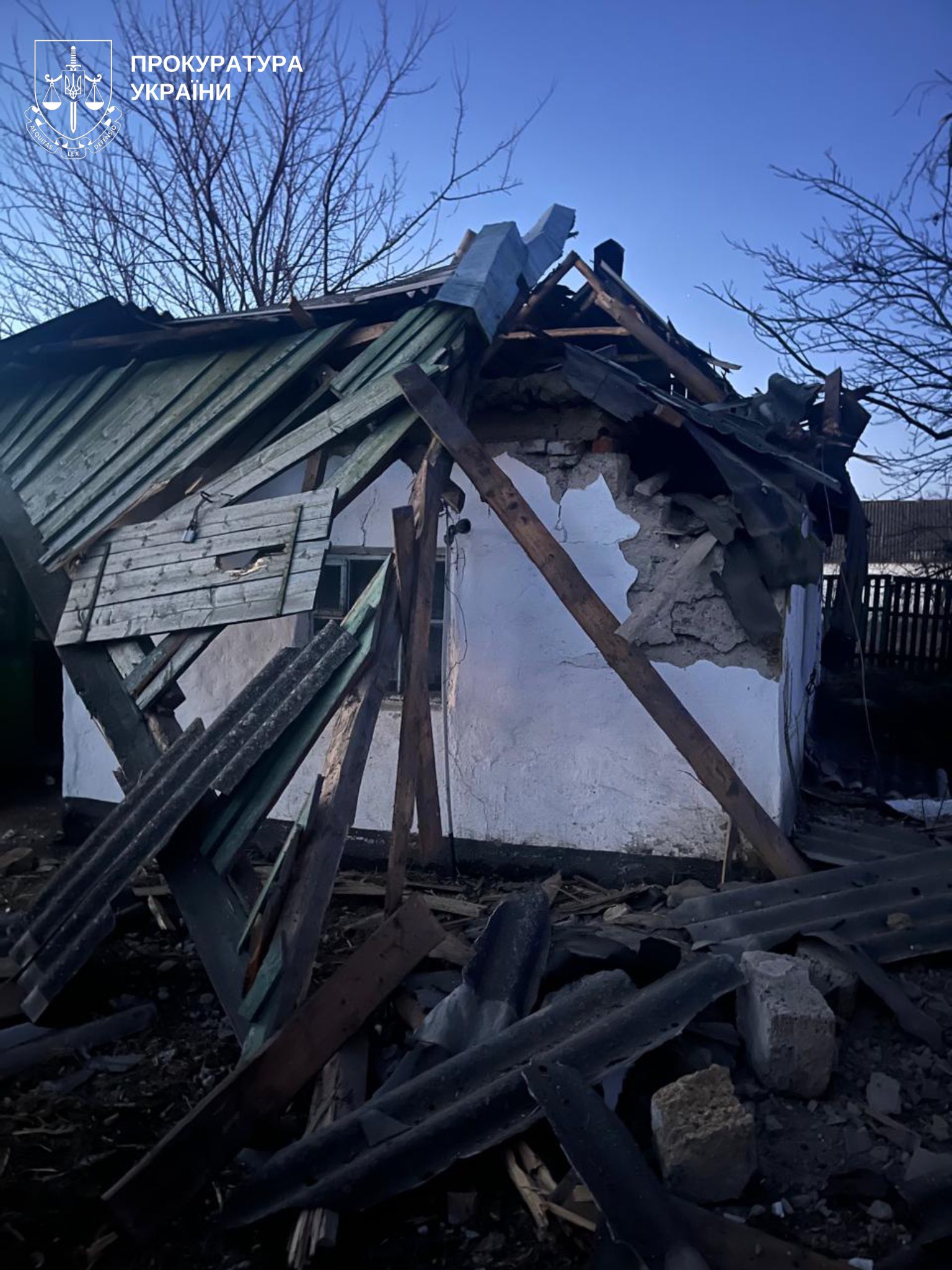
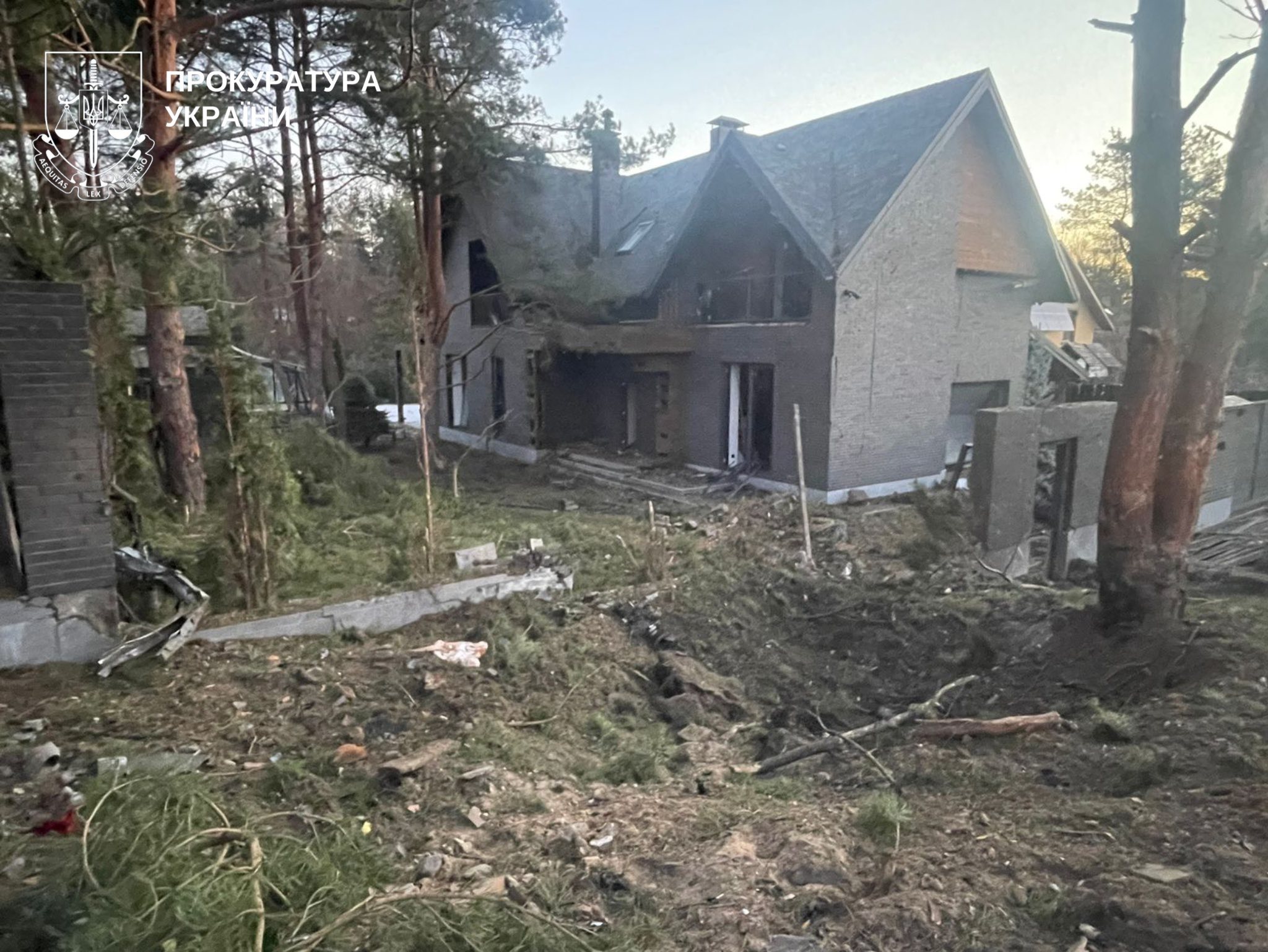
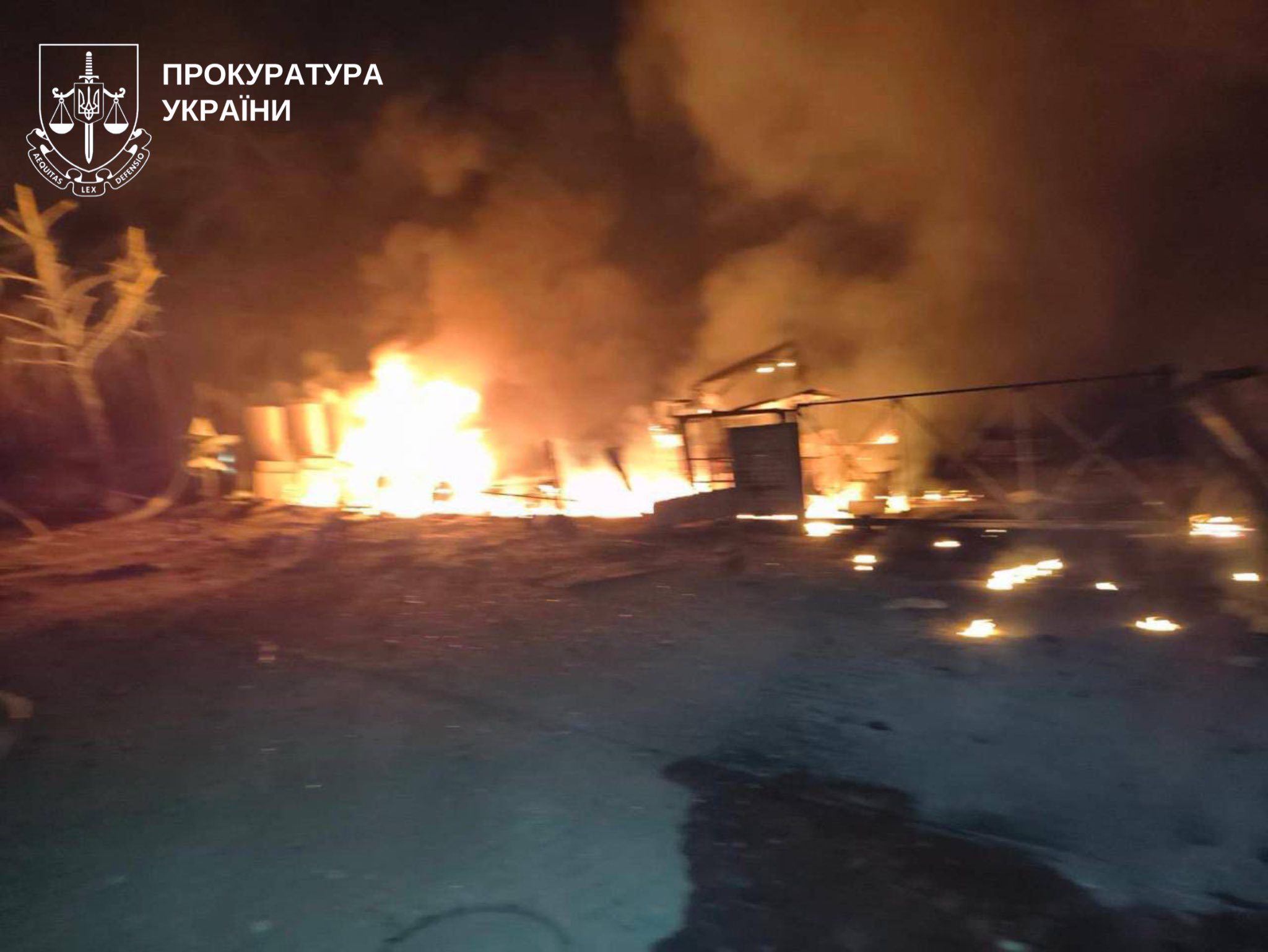
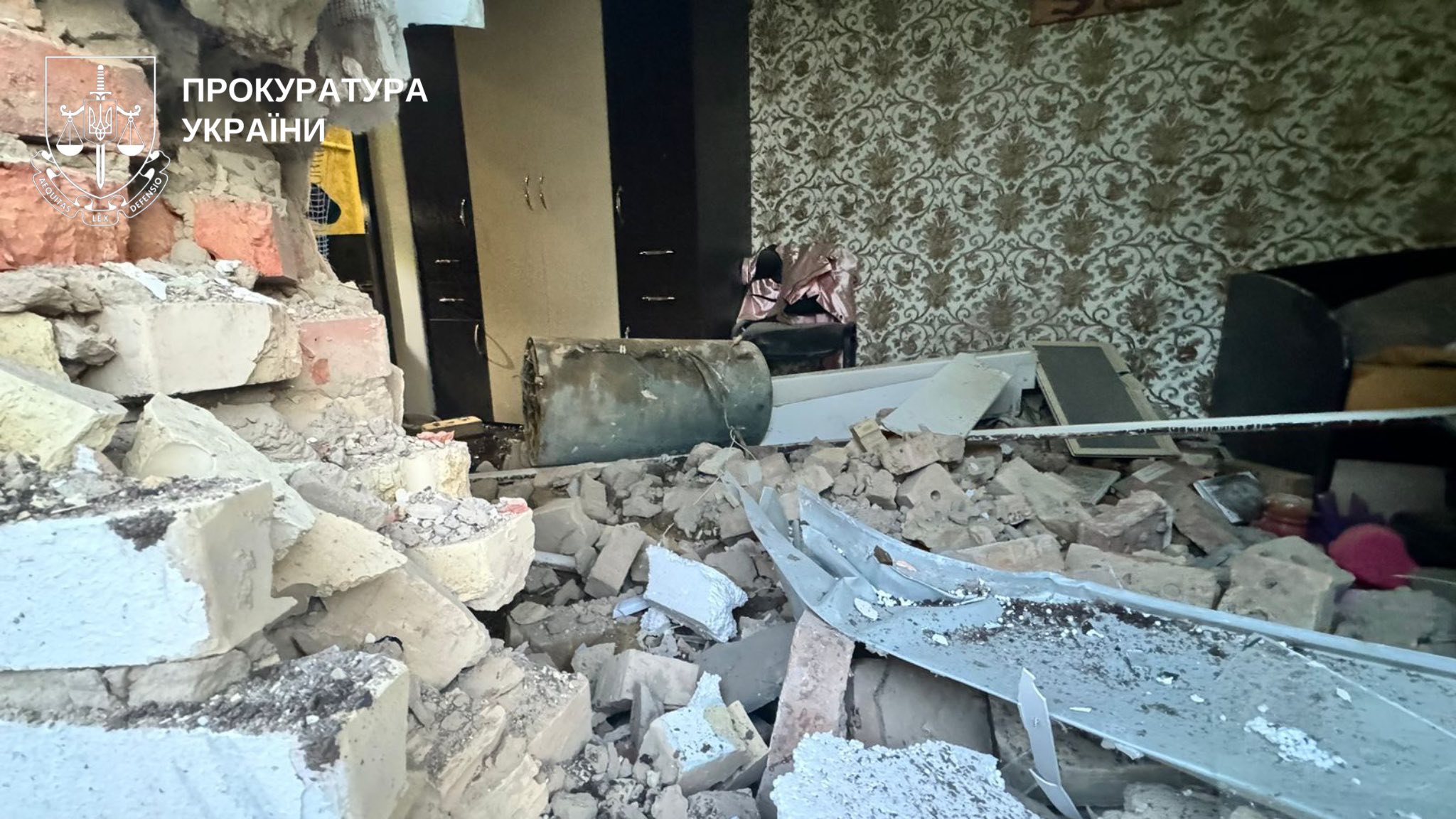
The most extensive damage was recorded in the Obukhiv and Brovary Districts. In total, approximately 30 objects are reported to have been damaged.
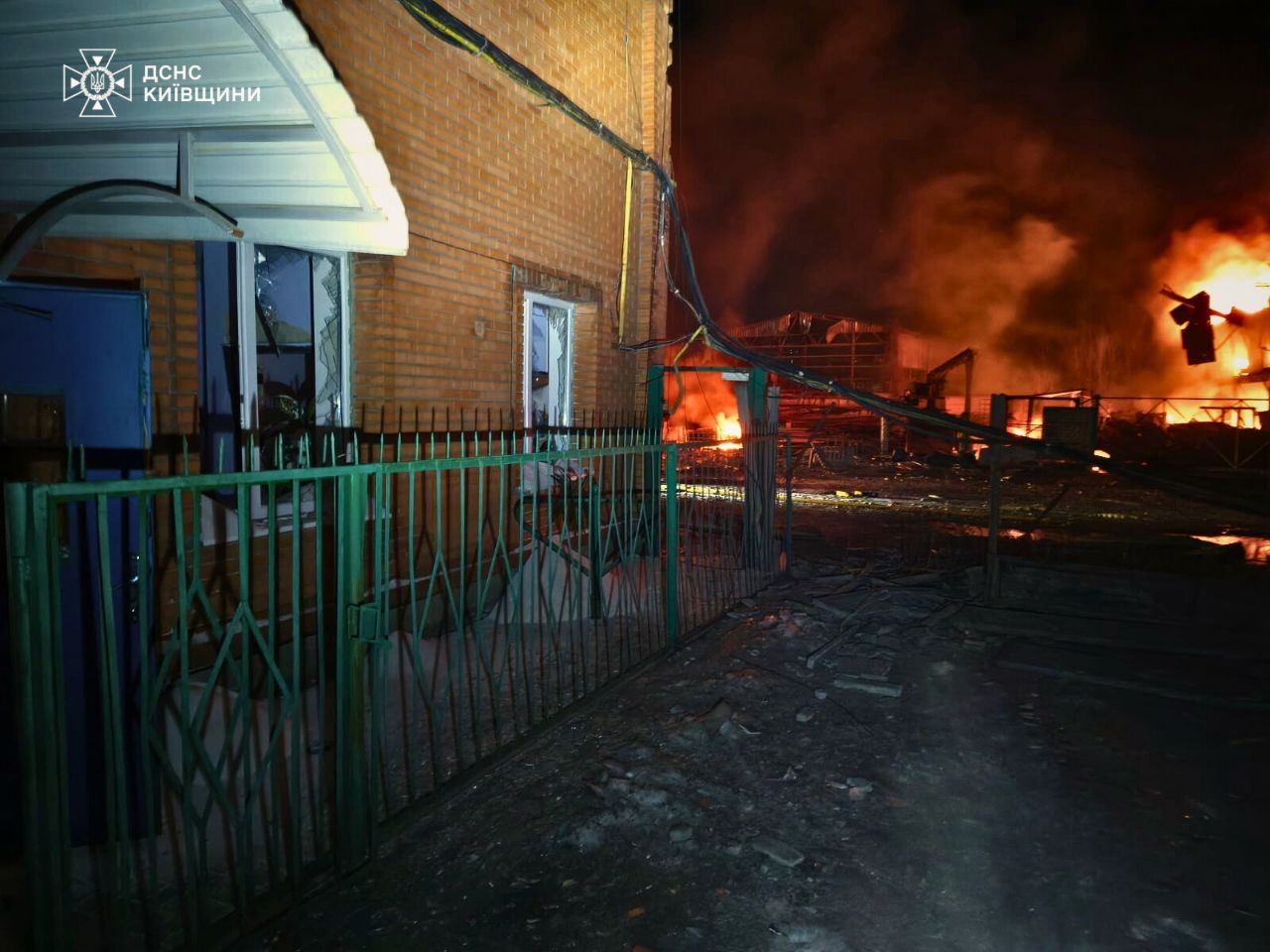
In total, the consequences of the shelling have been recorded in four districts of the Kyiv Oblast:
- Vyshhorod District: An apartment building and warehouse facilities were damaged.
- Brovary District: Two private houses, a dormitory, an office, industrial buildings, restaurant premises, a garage cooperative, and several vehicles were damaged.
- Obukhiv District: Two schools, a kindergarten, three private houses, an apartment building, and various non-residential and industrial premises were damaged.
- Bucha District: A private house was damaged.
Information regarding the scale of the destruction and the total number of casualties is still being clarified.
Emergency responders, medics, police, and municipal services are working at the scenes. Relief centers are being established for those affected, providing necessary medical and psychological support.
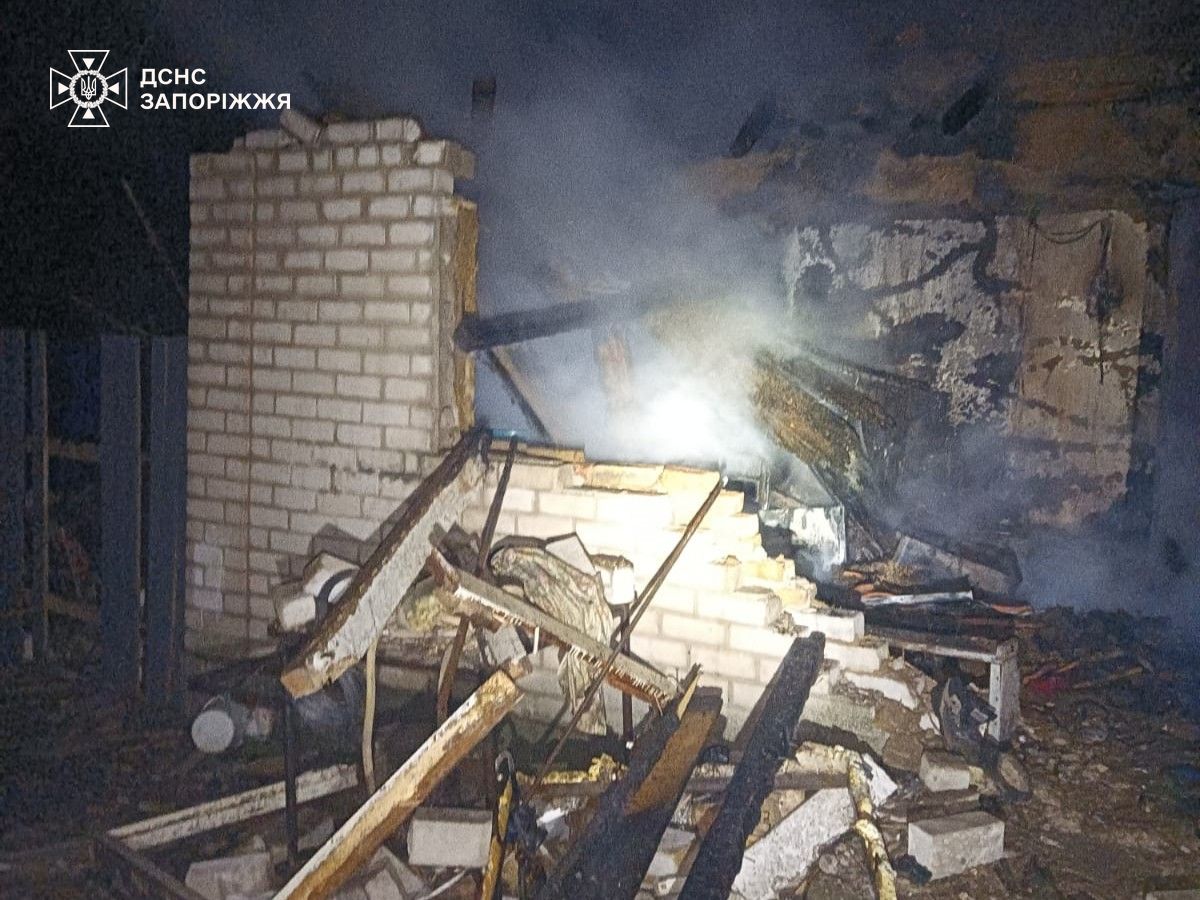 Aftermath of the Russian attack on the Zaporizhzhia District
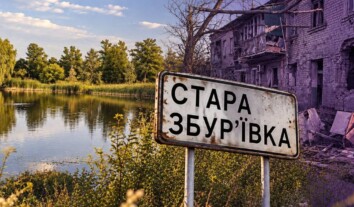
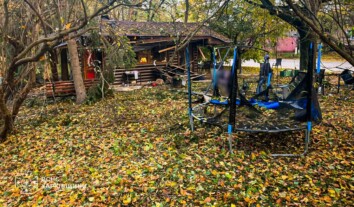
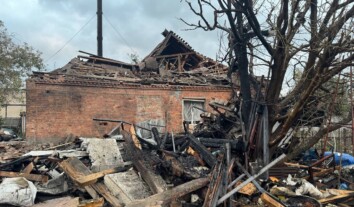
Additionally, overnight, Russian forces shelled a settlement in the Zaporizhzhia District. According to rescuers, four people were injured: a 40-year-old man, a 35-year-old woman, and two children, aged 11 and 16. All victims were hospitalized before State Emergency Service units arrived.
The attack ignited a fire in a residential building, which rescuers have since extinguished. Nearby homes were also damaged by the blast wave and shrapnel. Search and rescue operations at the site have been completed.
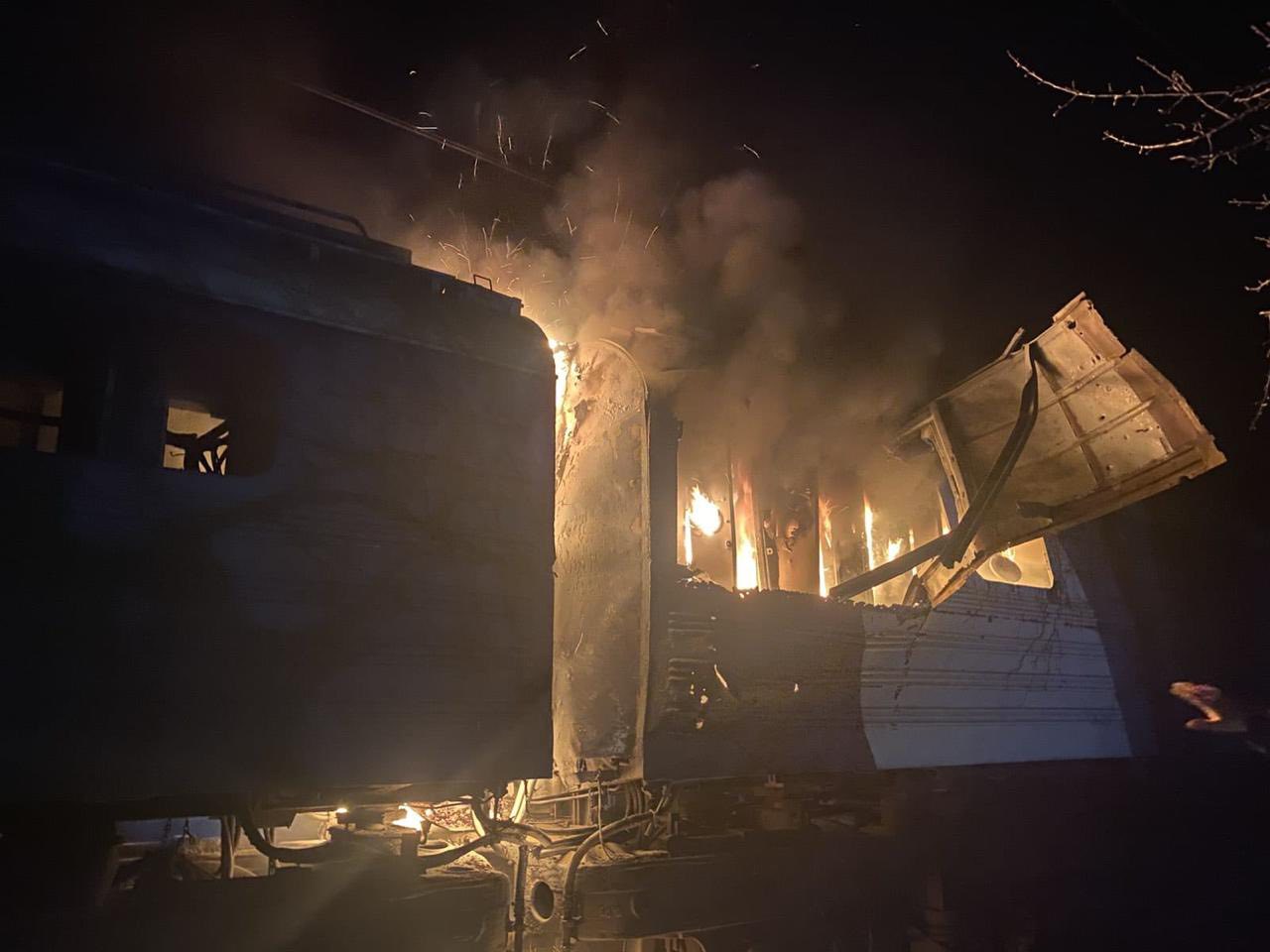 Aftermath of a Russian attack on a train in the Kharkiv region. Photo: Oleksiy Kuleba
Additionally, in the Kharkiv Oblast, the Russian army struck a suburban train with a drone. No passengers were injured, according to Deputy Prime Minister for the Restoration of Ukraine, Oleksiy Kuleba.
The official stated that the train engineer and the assistant engineer sustained shrapnel wounds; they received medical treatment on the scene. The strike damaged the diesel locomotive, which was in operation due to a power outage in the overhead catenary system.
In addition to this, Russia attacked the center of Kherson on the morning of March 14, injuring three children, according to the Kherson Oblast Military Administration.
A girl, 12, and two boys, aged 11 and 13, sustained blast injuries and acute stress reactions. The youngest child was also diagnosed with a shrapnel wound to his head.
They are being treated at a hospital.
Russian forces also attacked the Dniprovskyi District of Kherson. Three women aged 50, 47, and 78 suffered concussions, blast injuries, and closed craniocerebral injuries in the attack. They were inside an apartment when the strike hit. The injured were taken to a hospital in moderate condition.
President Zelenskyy stated that every such night of Russian strikes is a reminder to all Ukraine’s partners that air defenses and the missiles for them are effectively a daily necessity.
“Every agreement on missile supplies cannot wait – everything must be implemented as quickly as possible. Our agreements to increase the production of air defense missiles are a critical direction that requires 100% attention,” he said.
He stressed that Russia will try to exploit the war in the Middle East to cause even greater destruction here in Europe, in Ukraine.
“This is why we must be fully aware of the real level of the threat and prepare accordingly, namely, in Europe, we need to develop the production of air defense missiles — especially those capable of countering ballistic threats — as well as all other systems necessary to truly protect lives, regardless of what may be happening in any other part of the world. Europe is able to ensure this level of reliable protection,” the President added.
To provide background, Russian military shelling on March 12 claimed the lives of four civilians in the Chernihiv, Donetsk, and Sumy Oblasts, while at least 32 others were injured, including in the Dnipropetrovsk and Kherson regions.
U.S. President Donald Trump has not secured an end to Russia’s war within 24 hours of taking office, as he had promised. Furthermore, numerous Ukrainian and international experts point out that the U.S., as a guarantor state under the Budapest Memorandum, is pressuring Kyiv into capitulation.
On March 12, the U.S. Treasury lifted sanctions on the purchase of Russian oil and petroleum products aboard vessels at sea for 30 days. The license covers the delivery and sale of Russian oil and petroleum products loaded onto vessels as of March 12 and expires at midnight Eastern time on April 11.
Ukrainian President Volodymyr Zelenskyy warned at a joint news conference with French President Emmanuel Macron that a partial U.S. easing of sanctions on Russian oil at sea could hand Moscow up to $10 billion to fund the war.
“It is important to continue increasing pressure on Russia for this war in order to achieve real security and lasting peace. We must overcome the blocking of the 20th sanctions package against Russia — especially against the background of America’s decision to partially ease sanctions on Russian oil that is currently on tankers at sea. This single easing by America alone could give Russia around $10 billion for the war. This certainly does not help peace,” Zelenskyy stated.
He added that although Washington’s stated rationale is to stabilize global markets, Russia would spend the funds on weapons — primarily drones used to strike Ukraine.
“As we already see from intelligence reports, these same drones are also being used against Iran’s neighbors, as well as against Europeans and Americans stationed at various bases there. Therefore, lifting sanctions so that more drones later fly at you is, in my view, not the right decision,” he said.
BBC News reported that French President Emmanuel Macron said there was “no justification” for it. German Chancellor Friedrich Merz said the decision was “wrong”. EU Council President Antonio Costa said it was “very concerning”.
Matviichuk noted that the number of Ukrainian civilians killed or injured because of the war rose by 31% compared to the previous year. She asked why Trump’s year of negotiations was the deadliest for Ukraine’s civilian population since the start of Russia’s full-scale invasion.
“Why did Putin not allow himself such brutal strikes on civilian infrastructure under Biden, whom Trump calls ‘weak,’ but totally destroys peaceful cities and disregards the ‘strong Trump’?” she asked on her Facebook page.
Stay connected with us via X and LinkedIn — and while you’re here, please spare five minutes to fill out our survey and tell us what you’d like to see next.