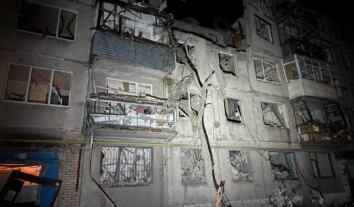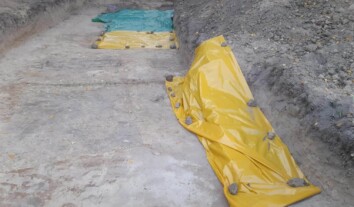
Russian attacks have damaged or destroyed 36 prisons, 98 police detention facilities, and 167 court buildings in Ukraine since 2022 – Ombudsman
Since the onset of the full-scale invasion on February 24, 2022, 36 penitentiary institutions have been destroyed or damaged, and 41 institutions remain in territories temporarily not under the control of Ukraine, the Ukrainian Ombudsman for Human Rights reported in his Special Report “On the state of affairs regarding the prevention of torture and other cruel, inhuman, or degrading treatment or punishment in Ukraine in 2025.”
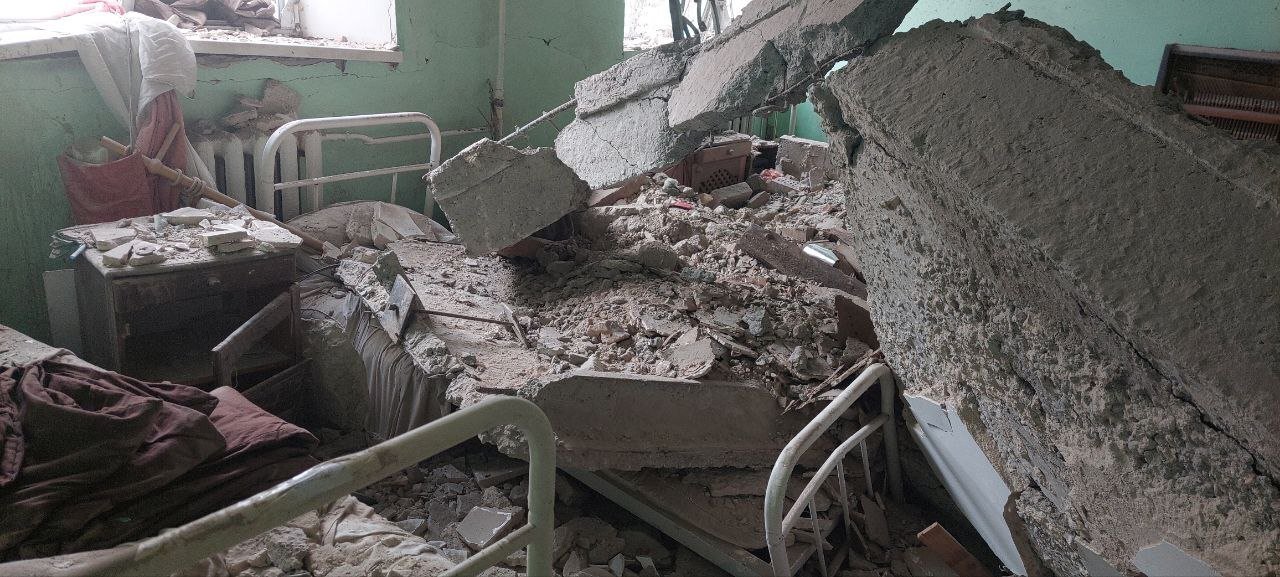
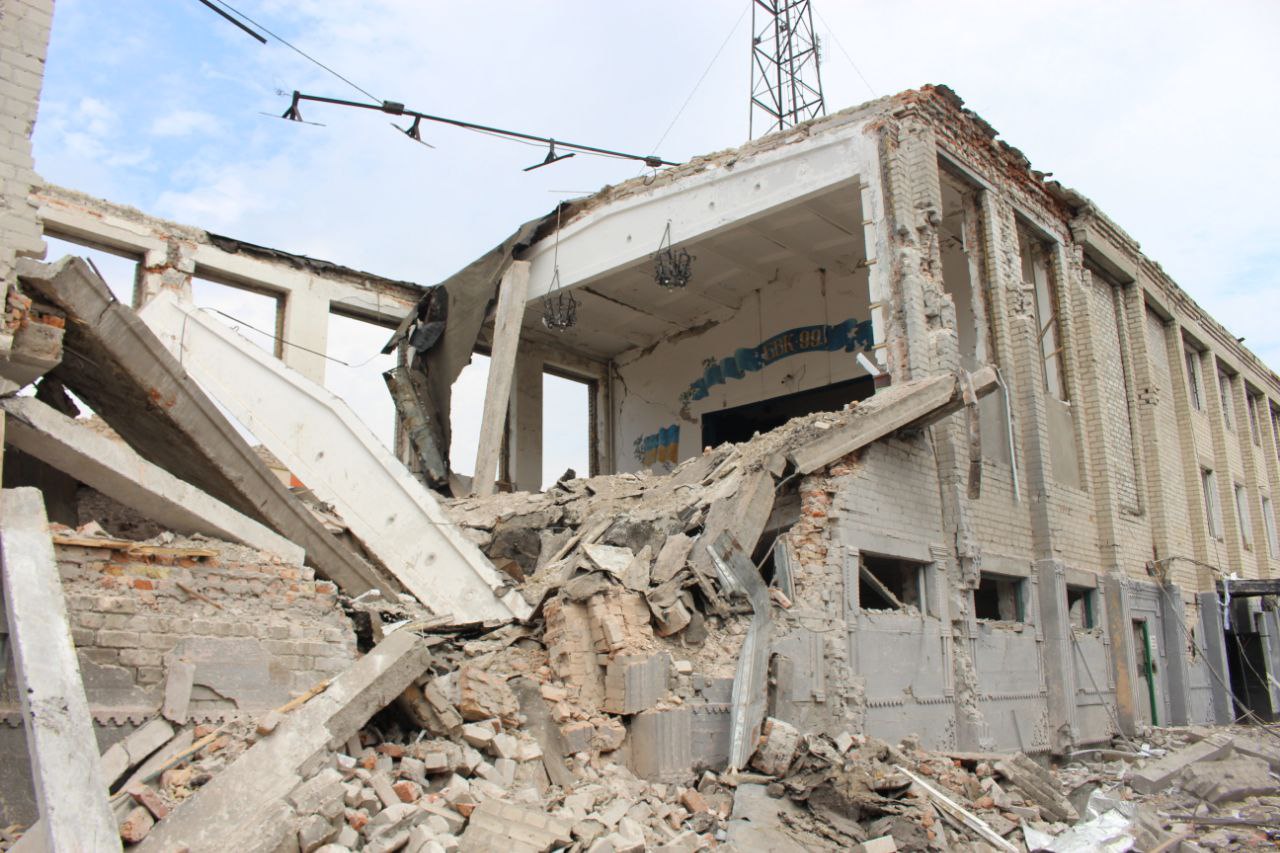
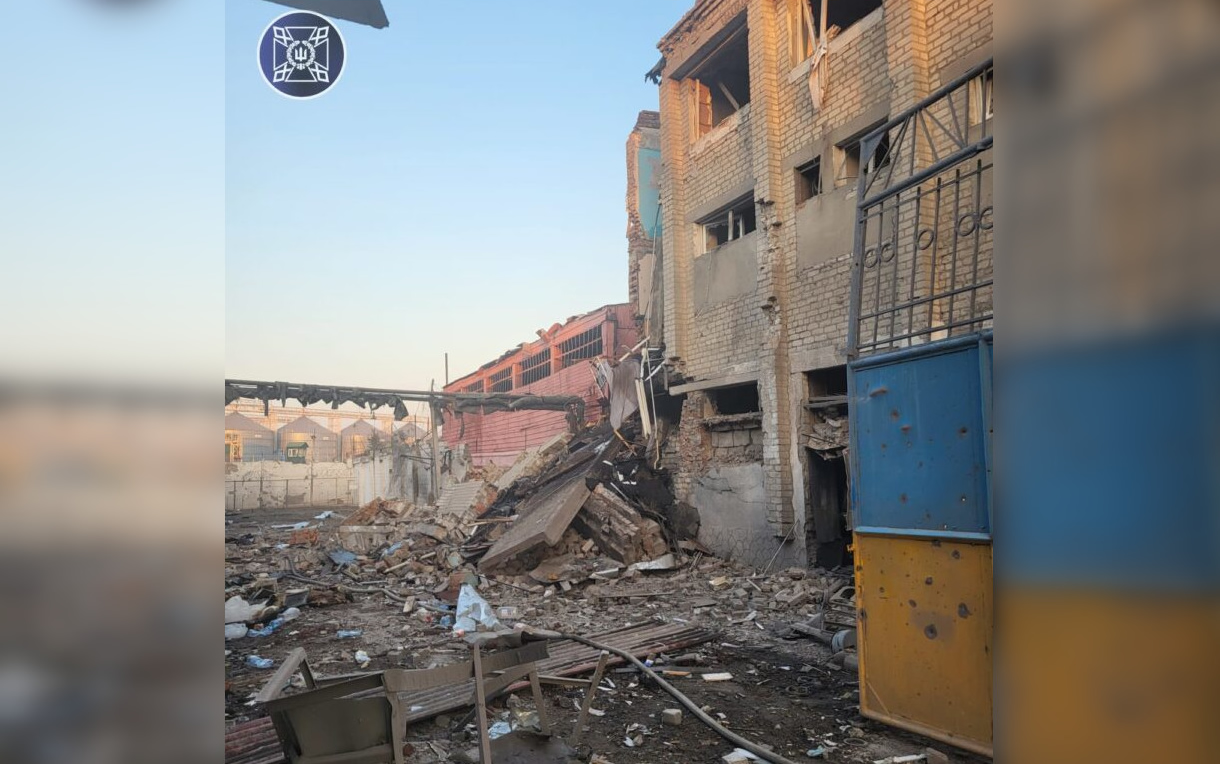
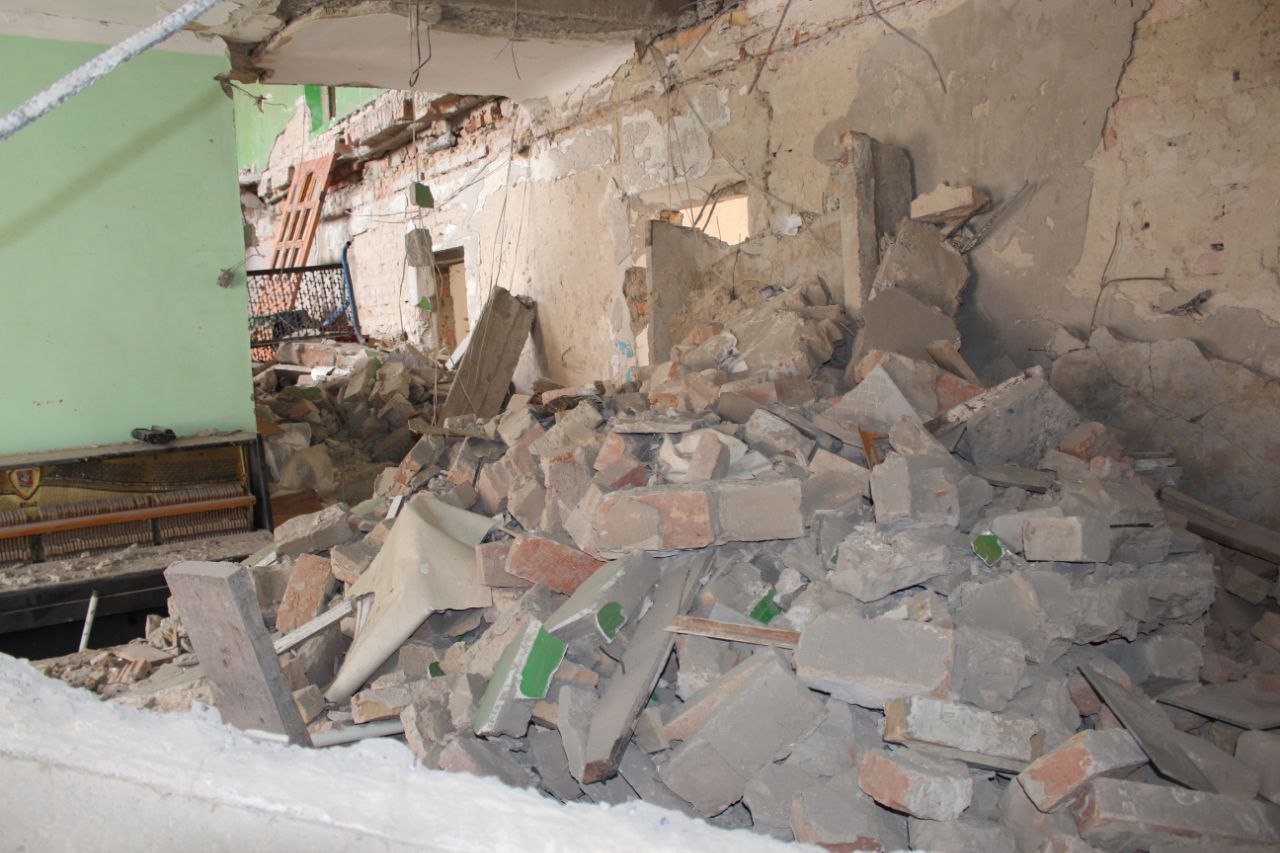
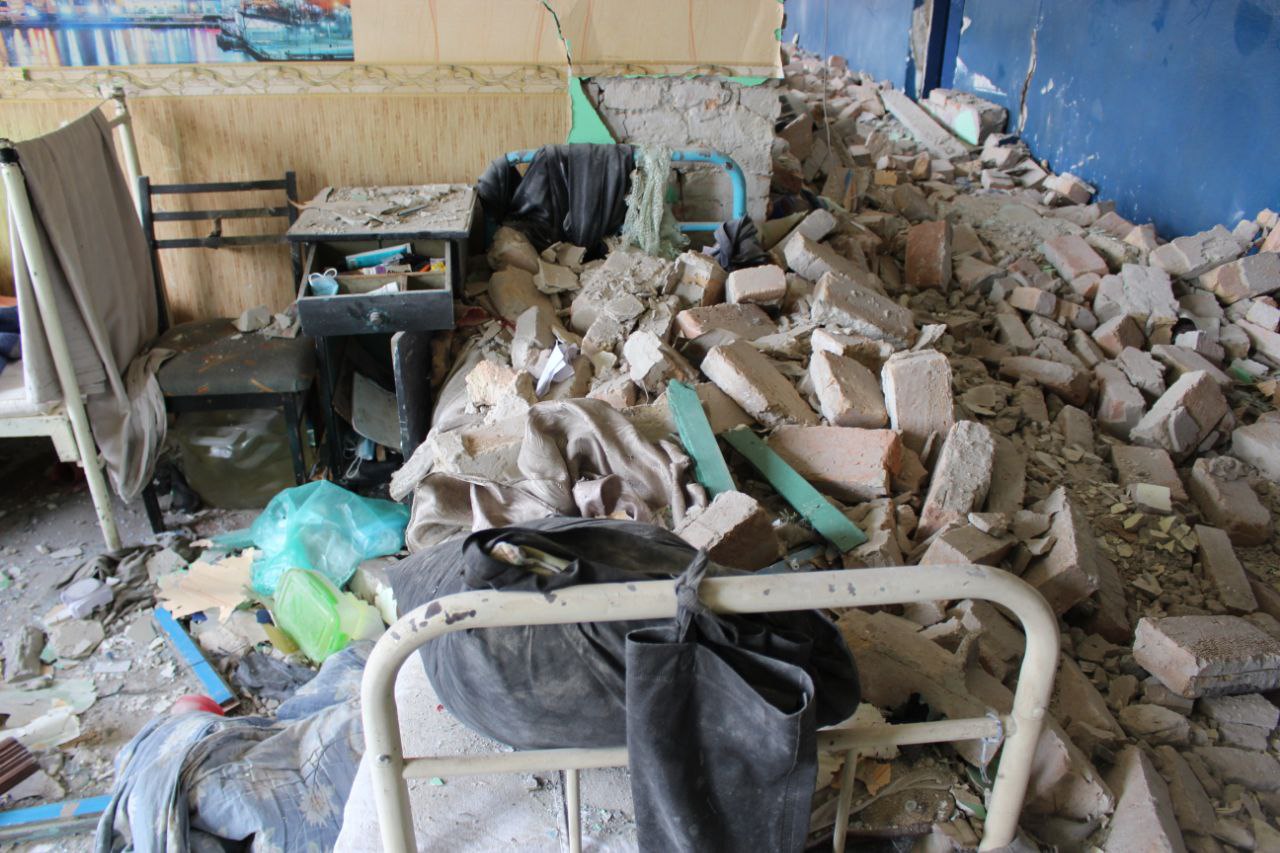
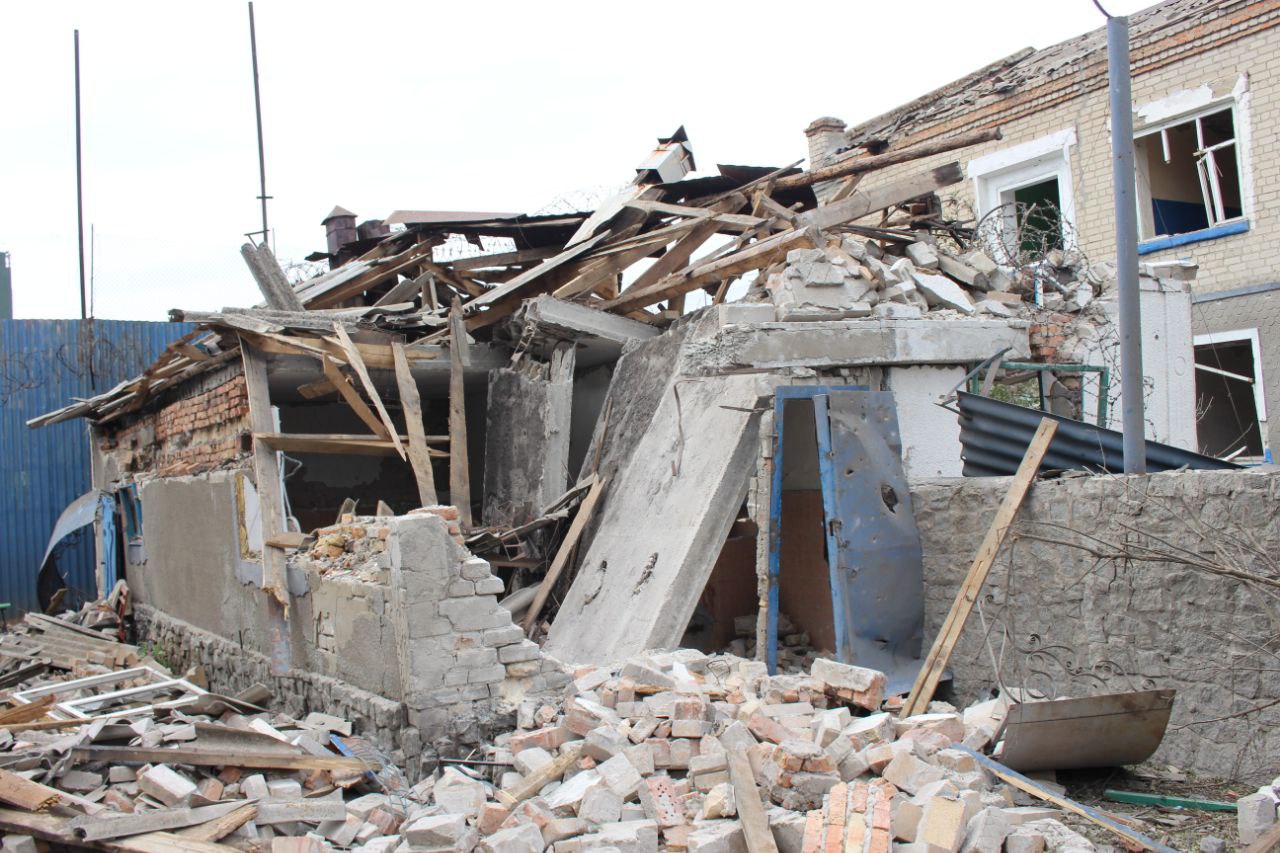
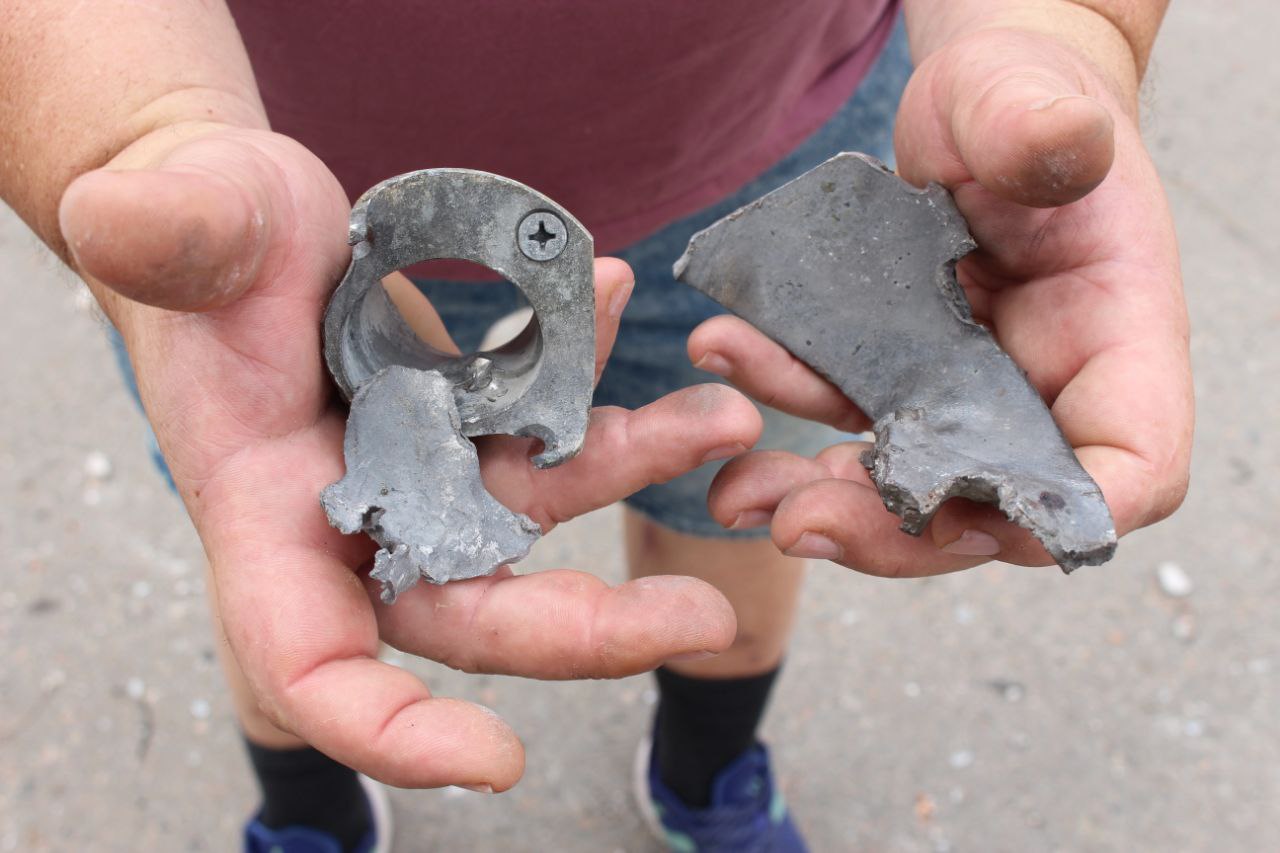
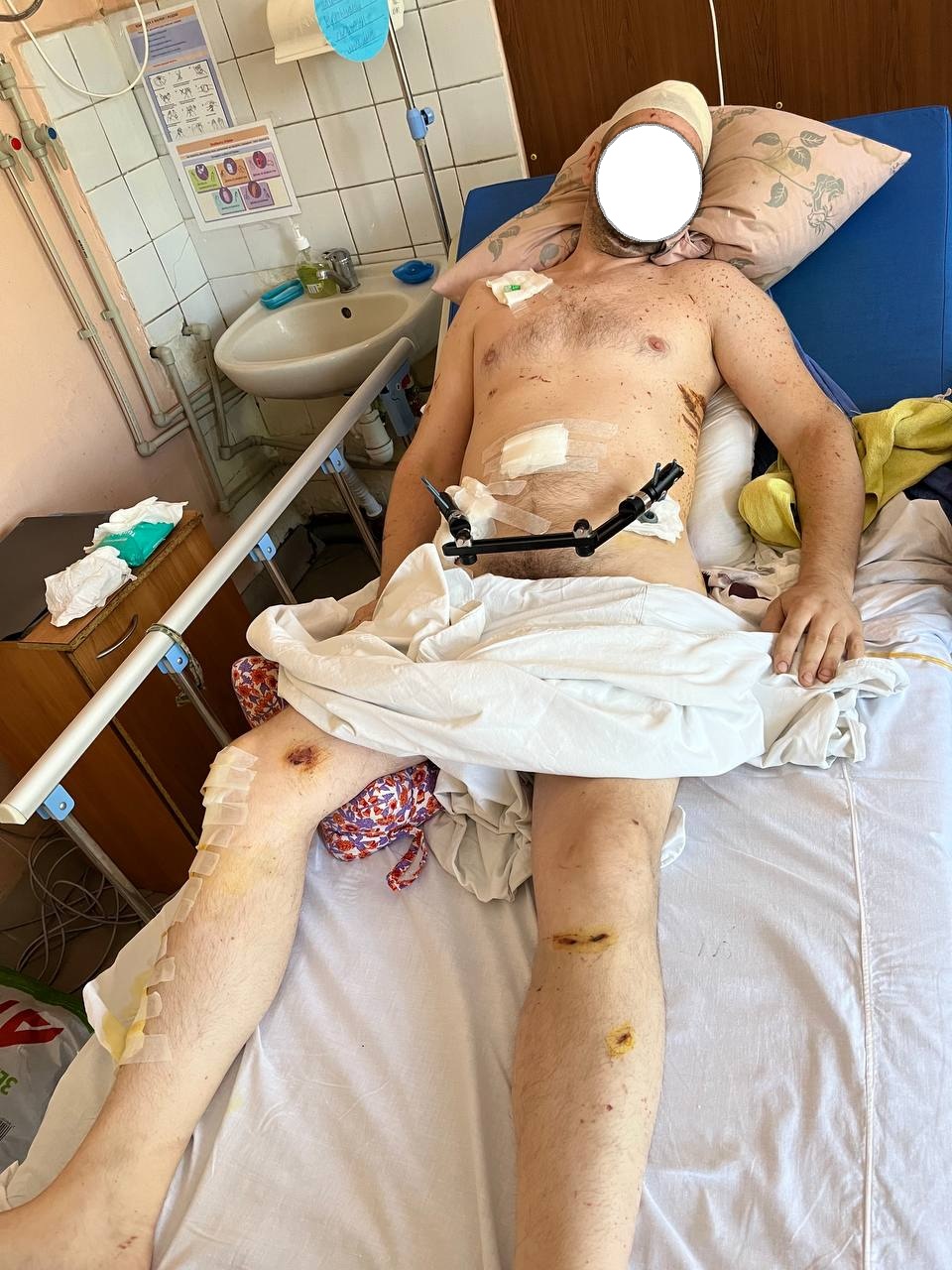
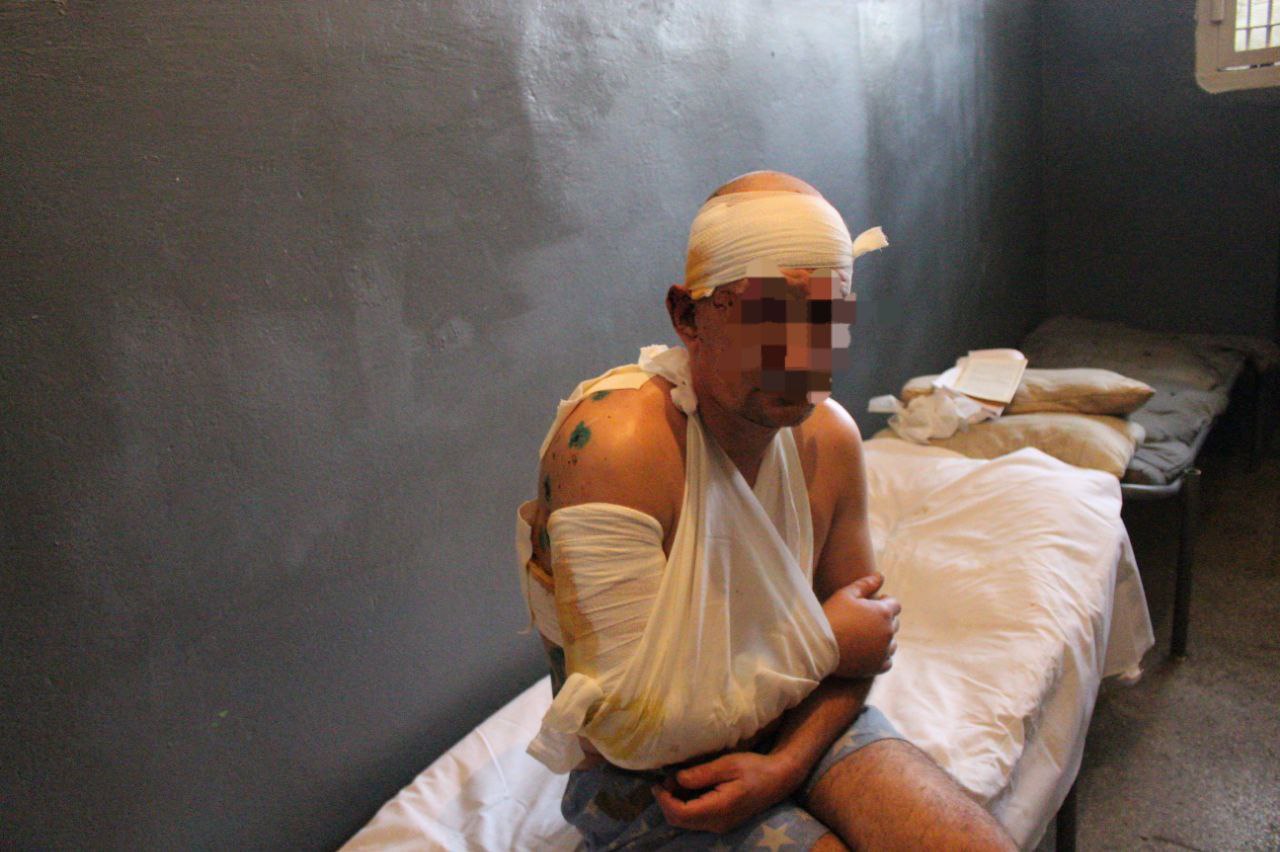
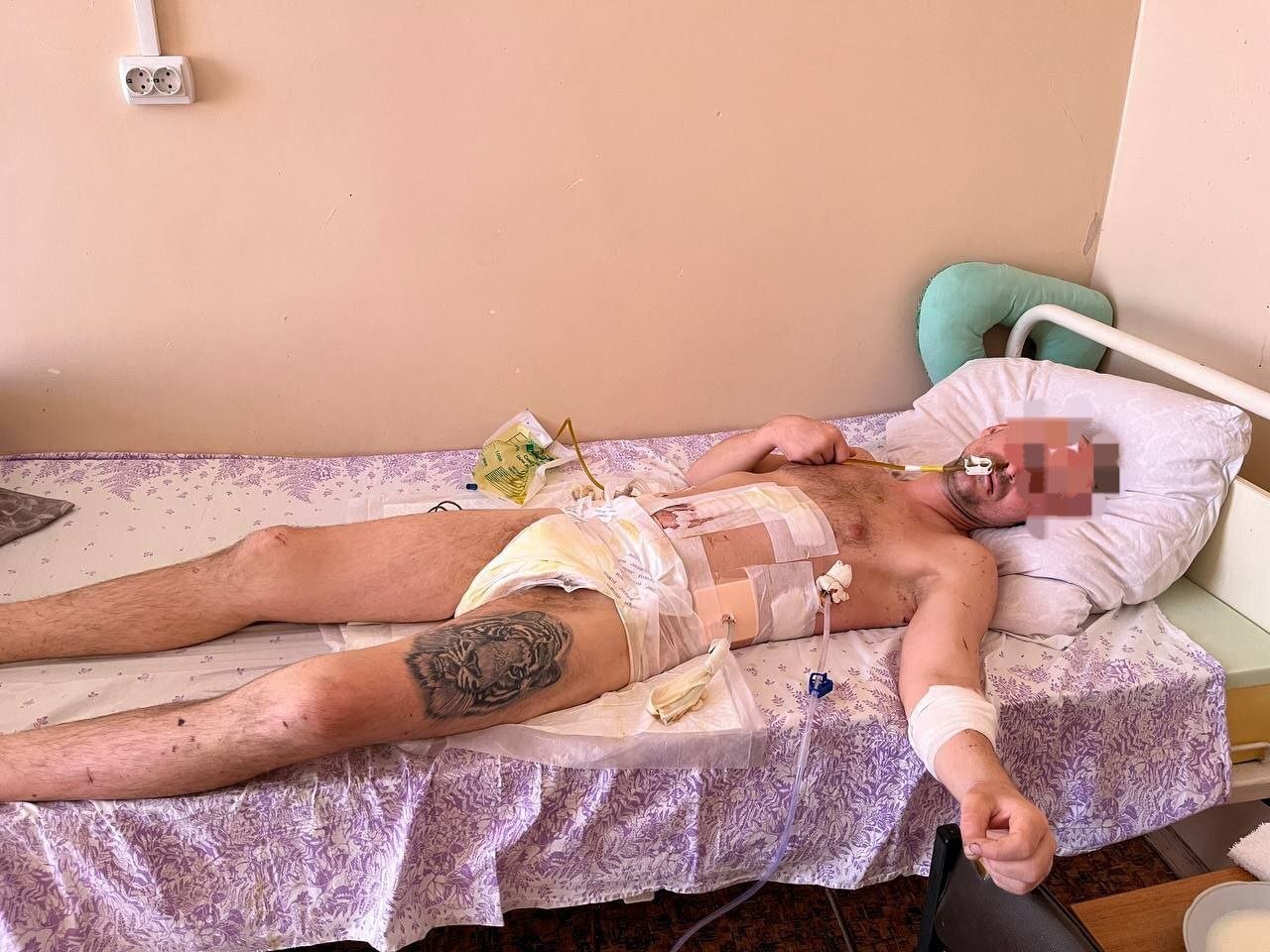
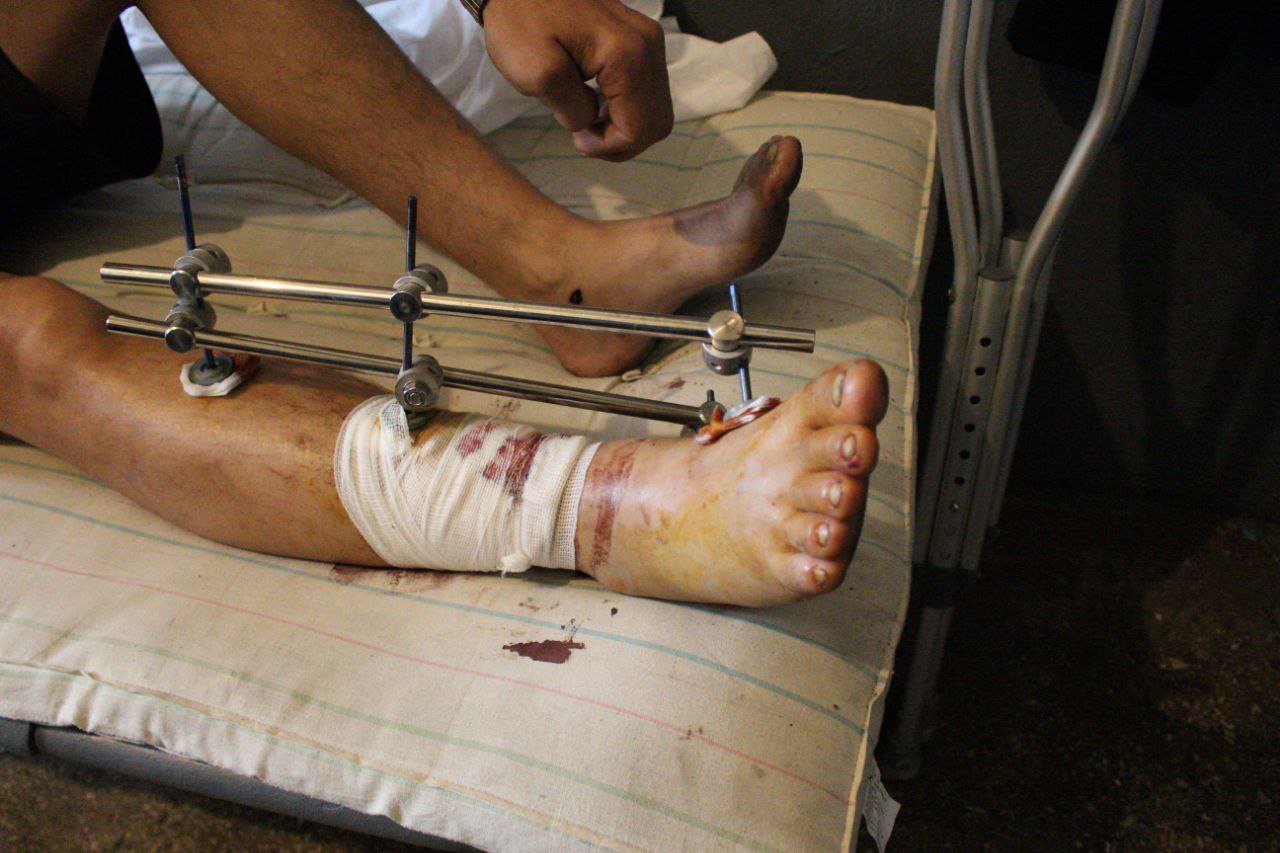
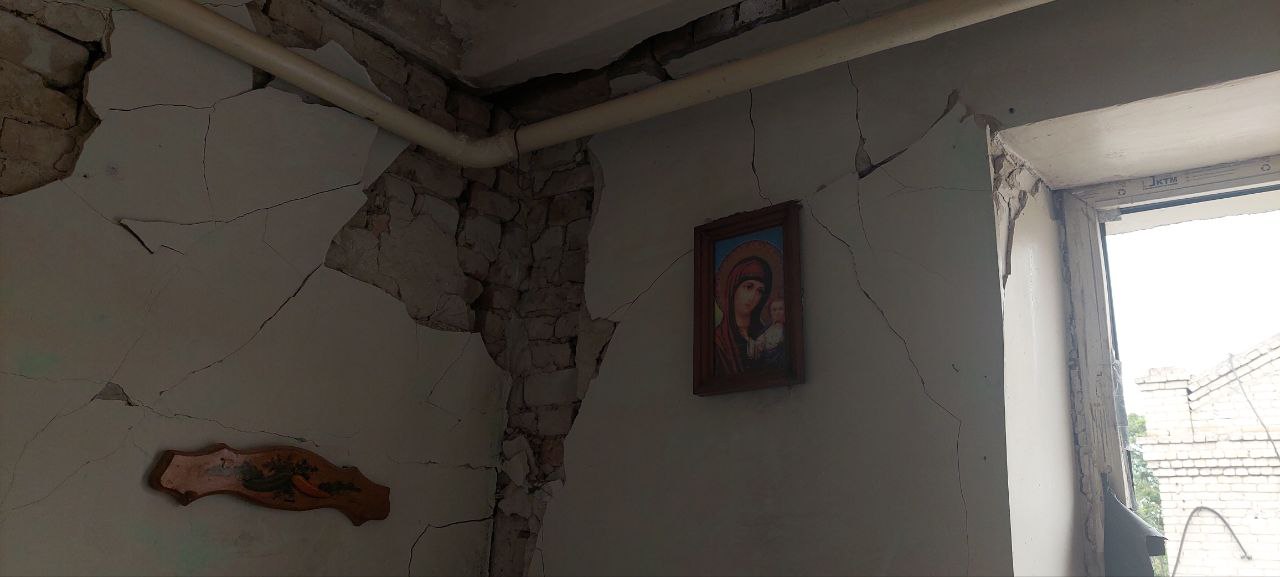
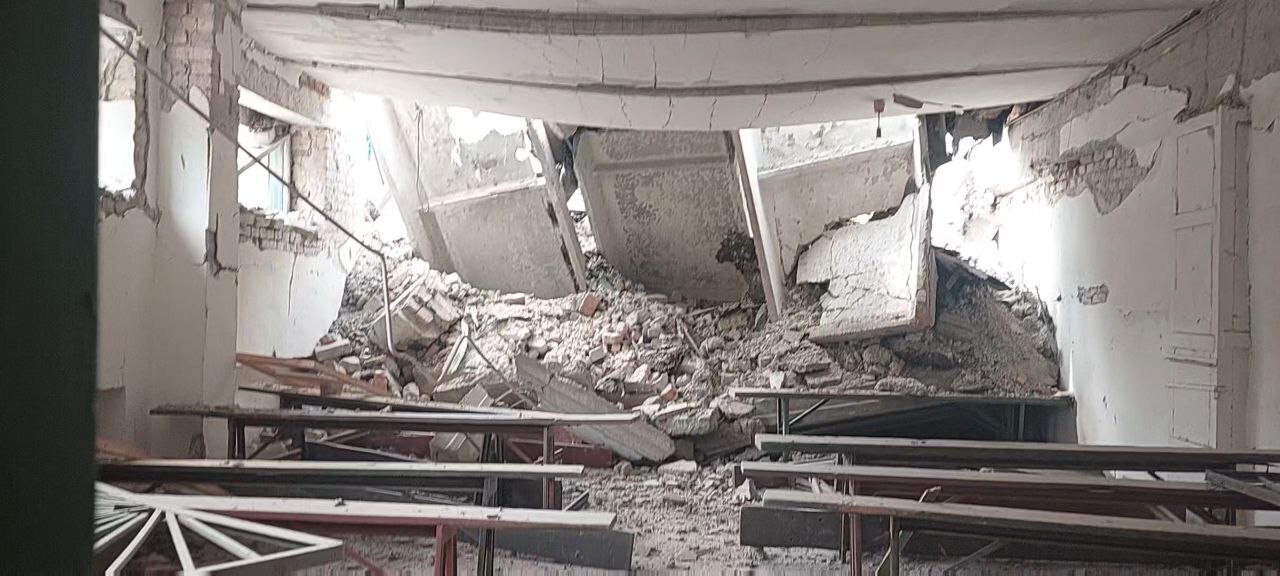
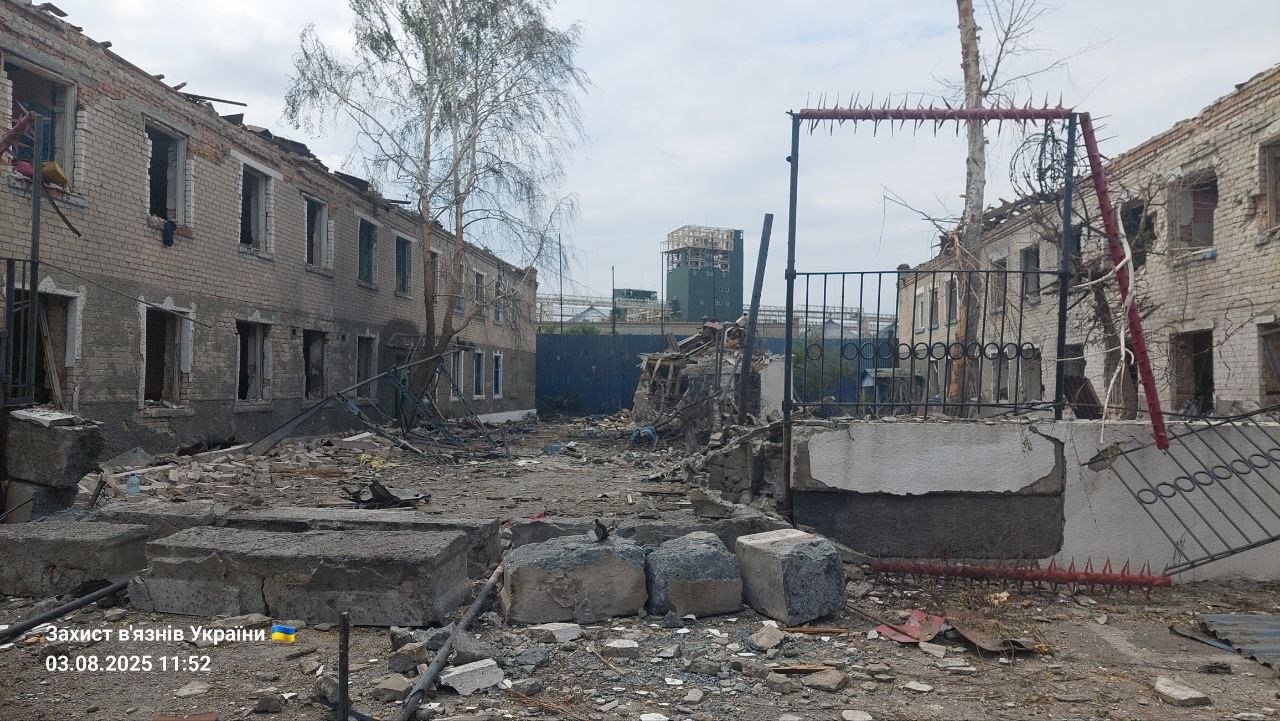
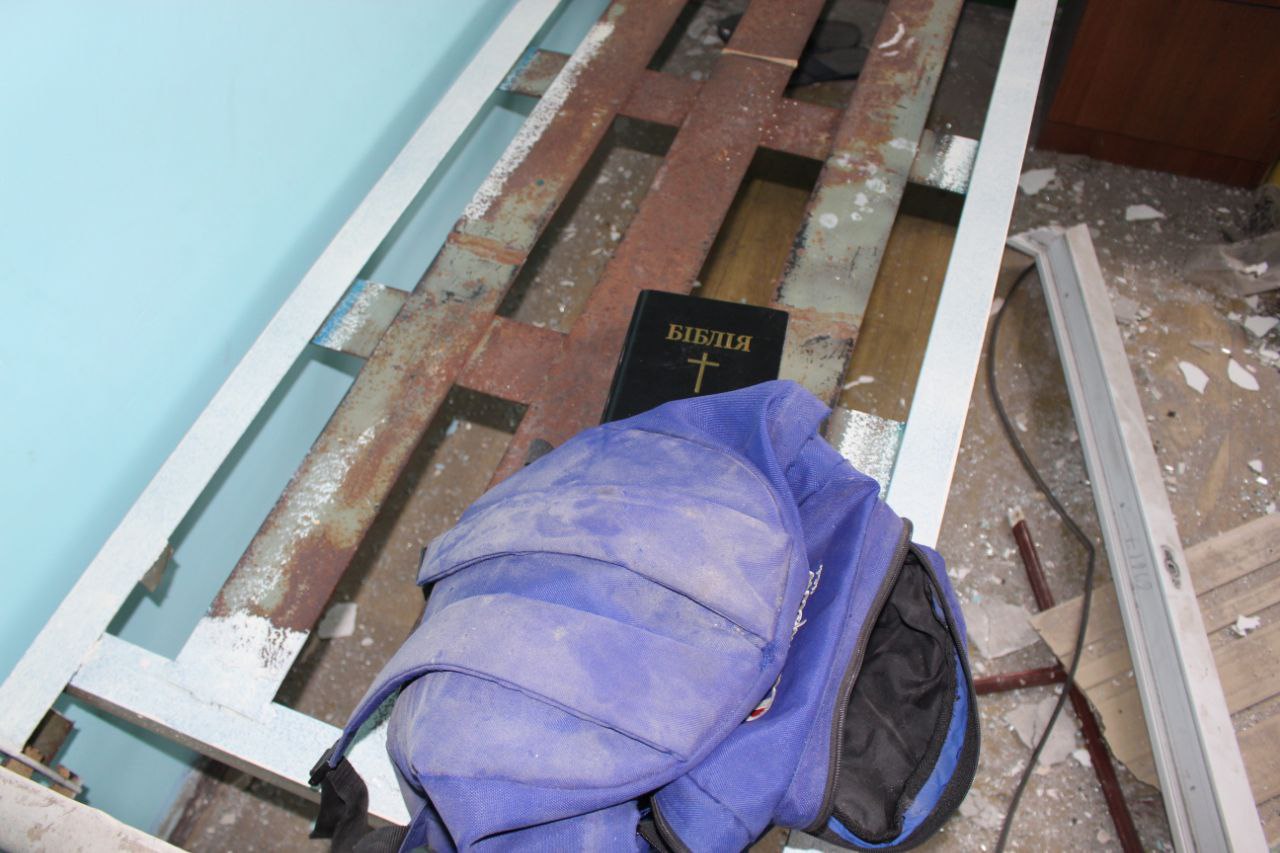
Ombudsman Dmytro Lubinets reiterated in his report that on July 28, 2025, the Bilenkivska Correctional Colony No. 99 in the Zaporizhzhia Oblast was shelled by Russia. The Russian attack killed 16 inmates and wounded 44 others. The prisoners’ dining hall, two dormitories, and other restricted-access facilities were destroyed. The Bilenke colony is located approximately 20 kilometers from the line of contact. Following the shelling, the inmates were evacuated to other correctional facilities.
Moreover, custodial settings under the authority of the National Police of Ukraine have sustained damage and been destroyed. As a result of guided aerial bomb strikes and missile attacks, 98 places of detention have been damaged. A significant portion of these damaged sites is located in the temporarily occupied territories, and nine have been completely destroyed.
The State Border Guard Service operates 39 temporary detention facilities, designed to simultaneously hold 303 individuals detained for offenses within the agency’s jurisdiction. In the Sumy and Kherson regions, two places of detention were destroyed, while six others were damaged in the Chernihiv, Sumy, and Odesa Oblasts.
In several regions of Ukraine, court buildings have been damaged by missile and artillery shelling – ranging from partial damage to premises and utility networks to significant destruction that makes the full functioning of judicial institutions impossible.
According to the Ombudsman, since the beginning of the full-scale armed aggression of Russia on the territory of Ukraine, 167 buildings or premises of 154 courts have been damaged to varying degrees, of which 20 court buildings or premises have been destroyed. Of this number, 40 court buildings/premises sustained damage in 2025, with 3 completely destroyed.
Destruction of social sector places of detention has also been recorded in various oblasts of Ukraine. These include social protection facilities, boarding schools, psychoneurological and geriatric nursing homes, children’s care homes, rehabilitation centers, and other institutions housing individuals who require constant care and protection from the state.
The highest number of damaged and destroyed objects is found in regions located near combat zones or those regularly subjected to massive shelling. In these oblasts, the damage is systematic, involving the destruction of residential and administrative buildings, utility networks, heating systems, and water and power supplies, which significantly complicates or makes the further functioning of these institutions impossible.
Due to the damage, certain custodial settings were forced to partially or completely cease operations, leading to the evacuation of residents, their transfer to other institutions, or temporary placement in conditions unsuitable for long-term stay. These circumstances, as the ombudsman highlighted, have negatively impacted the fundamental rights of individuals in social sector places of detention, including:
- the right to safe living conditions;
- adequate medical;
- social services;
- privacy and dignified treatment.
Furthermore, the damage to infrastructure has complicated institutional staff’s work, limited their capacity to provide rehabilitative, psychological, and social services, and created additional risks to the lives and health of both residents and employees, Lubinets elaborated.
The ombudsman reported that he has issued acts of response regarding the necessity of timely urgent measures to ensure the temporary relocation of institutional care facilities located in active combat zones or nearby settlements, as well as in zones less than 50 km from the state borders with Russia and the Republic of Belarus, and to evacuate the individuals residing in them to appropriate facilities or institutions located in safer regions.
You may also want to read: How Russian missile strikes crippled Ukraine’s healthcare system – report by Physicians for Human Rights and Truth Hounds
Earlier, ZMINA reported that on April 16, 2026, Russian forces launched a “Molniya” UAV strike on the village of Malyzhyne in the Zolochiv “hromada,” a local government area that includes one or more nearby settlements. The attack damaged the premises of the regional psychoneurological boarding home, along with outbuildings and the power grid located on its territory.
Two days later, on April 18, Russian forces struck the same facility again, partially damaging the roof of an administrative building.
The human rights organization Ukraine Without Torture called on Ukrainian authorities to urgently evacuate residents of social institutions from frontline areas, emphasizing that any delay creates unacceptable risks for people who are unable to ensure their own safety independently.
Photos by NGO “Protection For Prisoners of Ukraine”