Over the past three years, Russians have shelled hotels in Ukraine more than three dozen times
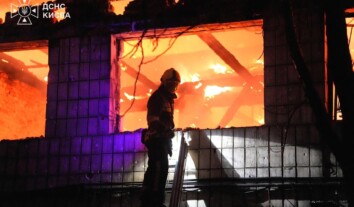
Russian forces have reportedly struck hotels in Ukraine more than three dozen times over the past three years, a pattern human rights advocates suggest is a deliberate strategy. These attacks have resulted in casualties and deaths among journalists and humanitarian workers. This information comes from a thematic report by Truth Hounds, a human rights organisation belonging to the “Ukraine. 5 AM” coalition.
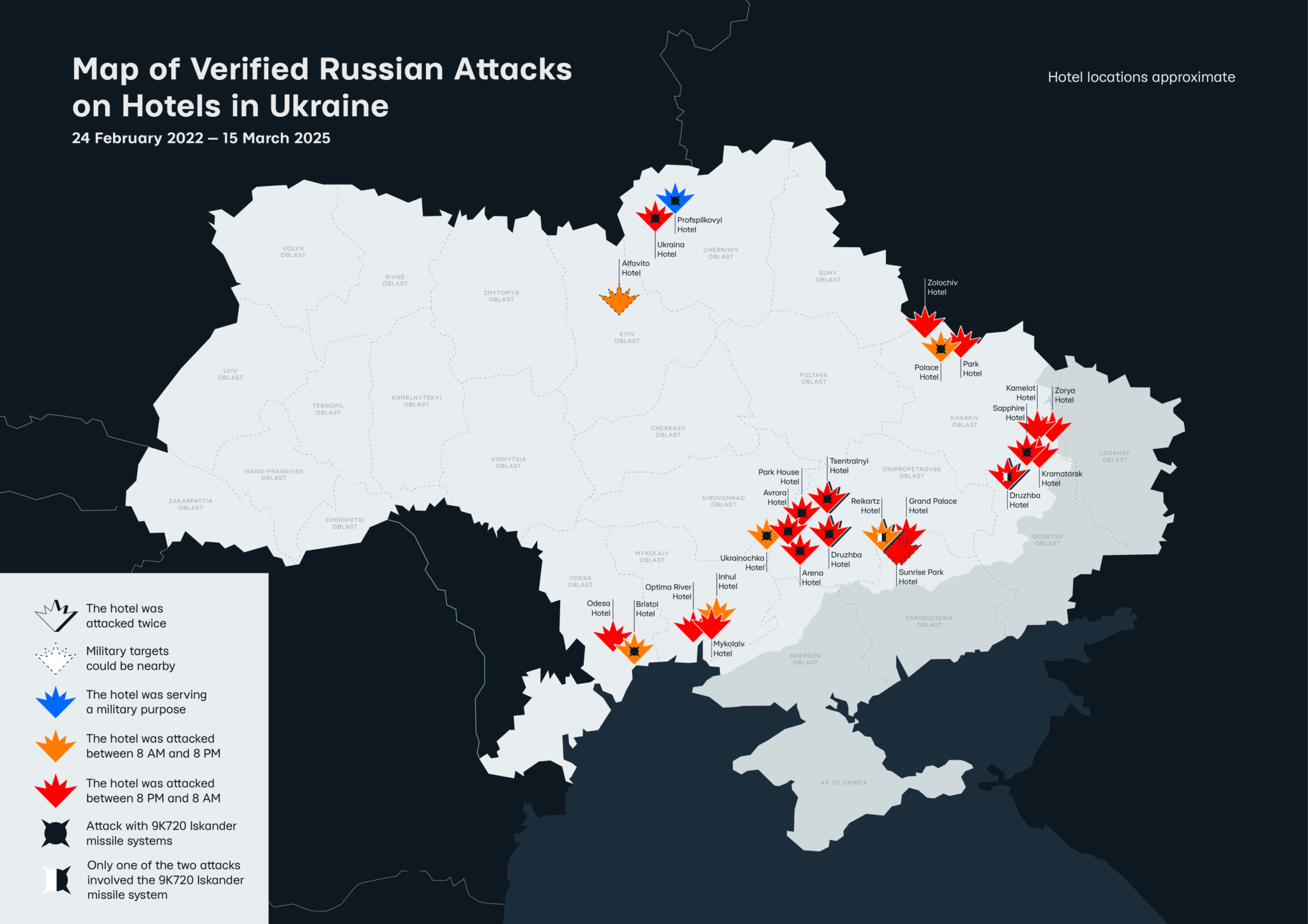 Click to enlarge the map of confirmed Russian attacks on hotels in Ukraine. Screenshot from the report’s appendix.
To prepare the report, analysts reviewed open sources, conducted online surveys, and interviewed dozens of victims, eyewitnesses, hotel managers, journalists, and other informants knowledgeable about the attacks. Due to the impossibility of accessing occupied Ukrainian territories for research, the human rights advocates could not fully analyse the circumstances and consequences of attacks that occurred there.
Among the report’s key findings:
- During wartime, especially in front-line regions, hotels often become gathering places for media and humanitarian personnel;
- The vast majority of documented attacks—27 out of 31—occurred in regions experiencing active hostilities at the time of the strike;
- The risks faced by journalists covering the war are increasing, as the frequency of hotel shelling is on the rise;
- Kryvyi Rih is identified as a primary target for Russian attacks on hotels, with five incidents recorded there in just a few months last year, and at least three more this year.
Russian forces primarily strike hotels at night, using cruise and ballistic missiles from “Iskander” complexes; - The active use of drones and ballistic missiles by the Russian army hinders media professionals from accurately assessing travel risks, impacting the nature of their coverage.
Russian authorities employ disinformation, claiming the presence of military personnel, including foreign fighters, to justify strikes on hotels; - The Russian Ministry of Defence’s public communications deliberately blur the lines between journalists, civilian residents, and combatants;
- Russian rhetoric not only discredits media workers but also normalises violence and repression against them;
- Attacks by the Russian armed forces on hotels are most likely deliberate and not accidental consequences of hostilities.
The analysts noted that in some cases, military personnel were present in hotels that came under Russian fire. However, their stay was for private purposes, such as meeting relatives who had travelled to the region. The only exception identified was the strike on the “Profspilkovy” hotel in Chernihiv in April 2023. Through eyewitness testimonies and publicly available data on those killed that day, researchers confirmed the object’s use for military purposes.
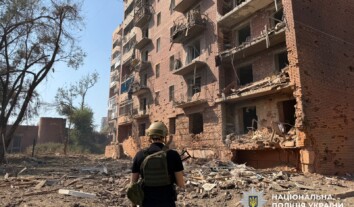
 Consequences of a Russian strike on the “Sapfir” hotel in Kramatorsk in August 2024.
Researchers also examined the practice of Ukrainian armed forces striking hotels in occupied territories, identifying eight such instances. Evidence in four of these cases confirmed the objects’ military use, making them legitimate targets. For the remaining cases, the researchers lack reliable data for a thorough assessment.
“In this sense, the strikes carried out by Ukraine clearly differ from Russian ones, as they are aimed at different groups,” the report’s authors stated.
A separate section of the study provides recommendations to the Ukrainian government, the International Criminal Court, foreign states, and those involved in developing policies for journalist safety.
Key recommendations include:
- Strengthening cooperation with media professionals, including amending legislation to legally recognise and protect all media workers;
- Prioritising investigations into attacks on journalists and civilians in general.
Imposing stricter sanctions against Russia for crimes committed against journalists and other media workers; - Increasing editorial funding for security measures;
- Updating international security protocols to account for the specific characteristics of Russia’s war against Ukraine;
- Prioritising the safety of journalists’ accommodation, for example, by avoiding housing them in hotels;
- Actively developing psychological support for journalists covering the war.
As a result of Russian shelling of hotels in Ukraine, 25 media professionals have been injured, and one has been killed. The fatality was 38-year-old Reuters security adviser Ryan Evans, who died in August last year in Kramatorsk.
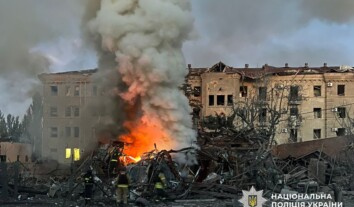
 Hotel in Kharkiv shelled by Russian forces.
Truth Hounds analysts have released numerous studies since the start of Russia’s full-scale invasion of Ukraine. ZMINA has previously reported on some of these, including:
- What, from where, and who struck the hospital in Mykolaiv on March 21, 2022;
- Who is responsible for the Russian strike on the drama theatre in Chernihiv in August 2023;
- How Russians launched a campaign of abductions, torture, and killings of Zaporizhzhia Nuclear Power Plant personnel and Enerhodar residents in the occupation;
- Who and from where struck cafes in Kramatorsk and the village of Bilenke in 2023;
- How the Russian army destroyed Mariupol and why this is a clear example of the warfare methods chosen by Russia’s military-political leadership;
- The impact of Russia’s destruction of the Kakhovka HPP on ecosystems, farmers, and civilian life in general;
- Double-tap strikes on emergency responders as a fundamental aspect of the Russian method of warfare.