US and Russia draft “peace plan” legitimizing Russian violations of Ukraine’s territorial integrity and internal interference
Two of Ukraine’s security guarantors under the Budapest Memorandum — the United States and the Russian Federation — have drawn up a so-called peace plan that legitimizes the violation of Ukraine’s territorial integrity and interference by Russia in its internal affairs.
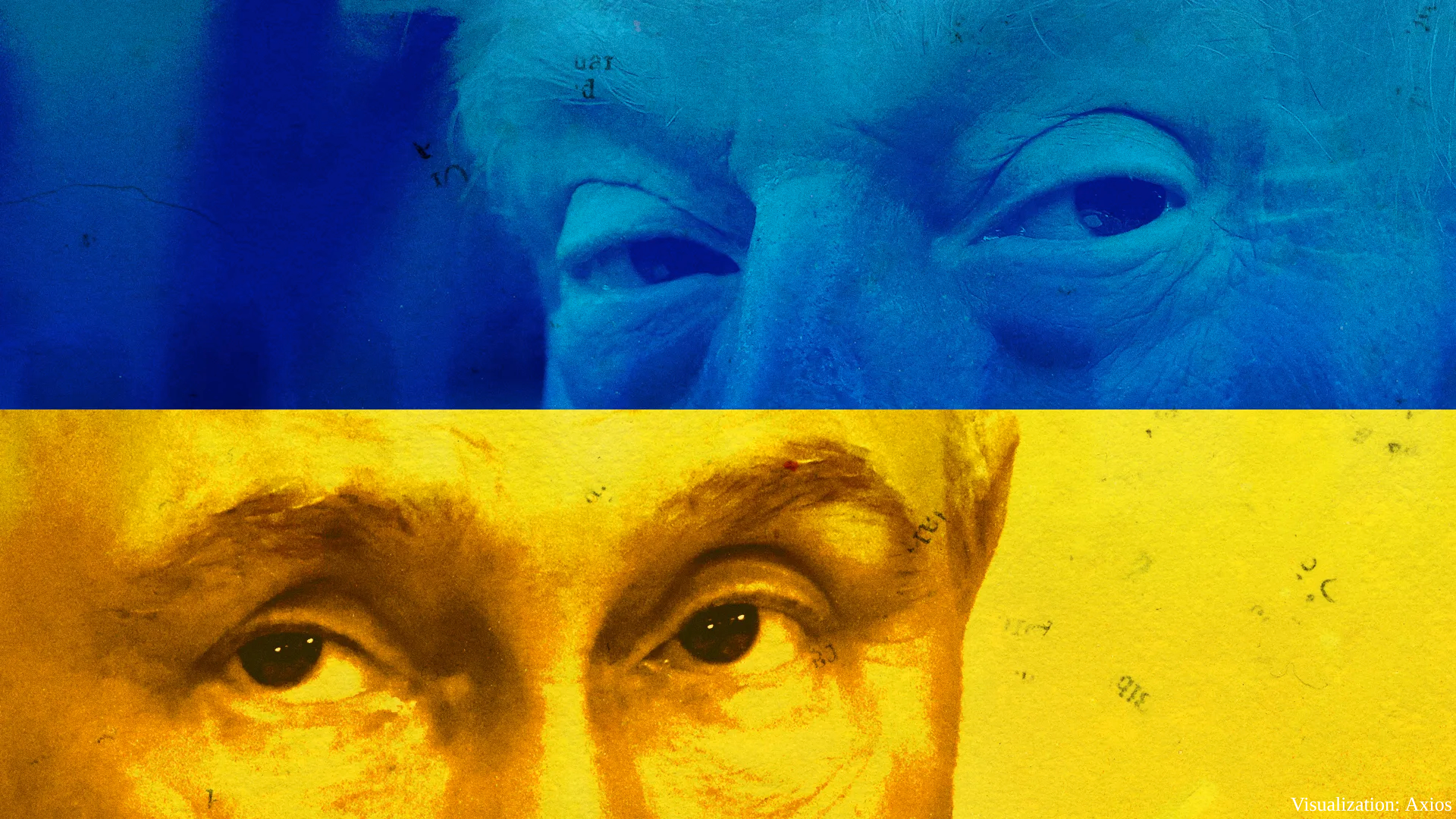
The Financial Times (FT) has published new details of a so-called peace plan drawn up in Miami by Russian and US representatives. Axios publication suggests that the U.S. did not include Ukraine in the development of this plan. Ukraine has reportedly already received the plan and deemed it unacceptable.
A day earlier, the Axios news outlet reported about the 28-point plan, which was discussed by Donald Trump’s special envoy, Steve Witkoff, and Russian negotiator Kirill Dmitriev in Miami at the end of October.
Several people familiar with this initiative told the FT that the new radical proposal from Russia and the US envisages significant concessions from Kyiv, and President Volodymyr Zelenskyy has already been urged to accept it.
Read also: Imposing neutrality on Ukraine contradicts international law – scholars
A group of current and former Russian and American officials, involved in drawing up the plan, which is still under development, a source familiar with the talks told the Financial Times.
Witkoff handed the plan to Kyiv this week when he met with Rustem Umierov, Secretary of Ukraine’s National Security and Defense Council, in Miami.
According to people directly familiar with the document, the draft plan would require Ukraine to cede the rest of the Donbas, including territories currently controlled by Kyiv, and to cut the size of its armed forces by half. Reuters also reported on the territorial concessions in the plan.”
Read also: Ukraine will not allow Russia a ‘second attempt’ to divide its territory – Zelenskyy
Crucially, the plan also requires Ukraine to relinquish key categories of weaponry and envisions a reduction in US military aid, which has been vital to its defense.
The plan further provides for the Russian language to be recognized as an official state language in Ukraine and for the Russian Orthodox Church to be granted official status.
Read also: 76% of Ukrainians reject Russian “peace terms” – poll
FT source familiar with the draft described it as a very generic document that was “heavily tilted towards Russia.” Another person familiar with the plan called it “very comfortable for Vladimir Putin.”
Kyiv officials who have seen the plan say it closely mirrors the Kremlin’s maximalist demands and that, without substantial changes, it will be unacceptable to Ukraine.
Read also: Putin isn’t seeking peace that’s why Alaska meeting won’t change that – ISW expert
A U.S. official told Axios that Witkoff had planned to visit Ankara on November 19 for a trilateral meeting with Zelenskyy and Turkish Foreign Minister Hakan Fidan. Witkoff had planned to meet with Ukrainian President Volodymyr Zelenskyy in Türkiye to discuss a new peace plan, but the meeting did not take place because the Ukrainian president arrived with a different plan.
The official stated that officials postponed the meeting once it became clear that Zelensky was not interested in discussing the US plan. The US official said Zelensky had traveled to Ankara with another plan, drawn up with Ukraine’s European partners, which Russia will never accept.
A Ukrainian official said officials have postponed the meeting because Zelenskyy has requested that officials discuss the plan in a broader format that would involve European countries.
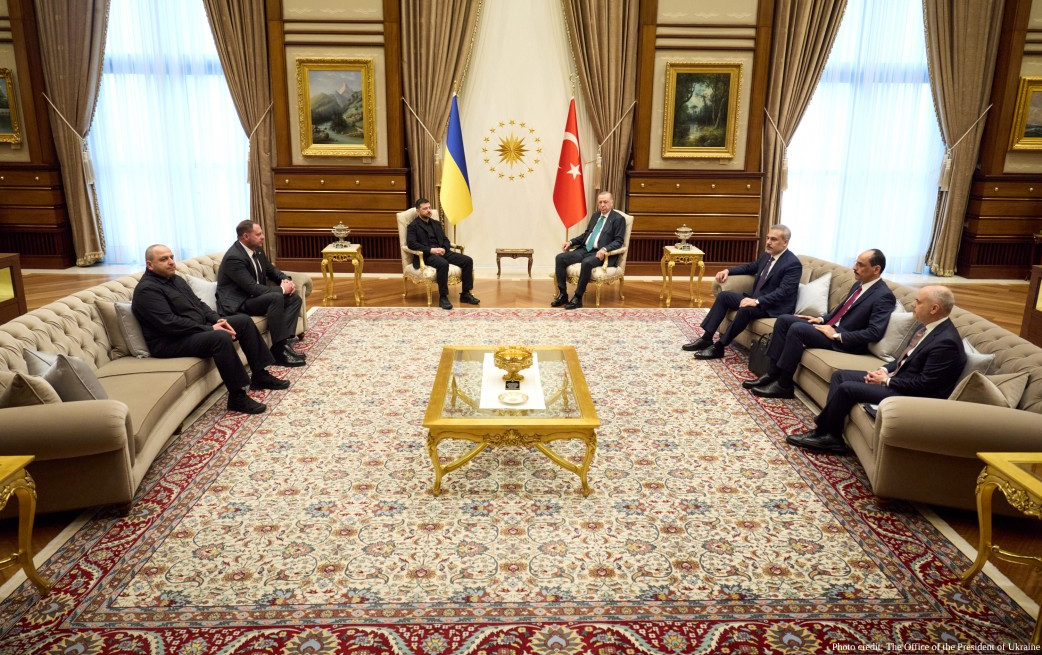
Zelenskyy stated that Ukraine is ready to cooperate with the US in achieving peace amid media reports about “peace plans” proposed to Kyiv.
The head of the Ukrainian state stated that since the beginning of this year, Ukraine has supported every decisive step and the leadership of U.S. President Donald Trump, as well as every strong and fair proposal aimed at ending this war.
“Only President Trump and the United States have sufficient power to make this war come to an end. Today, President Erdoğan proposed conversation formats, which I supported, and it is important for us that Türkiye is ready to provide the necessary platform. We are also ready to work in any other meaningful formats that could yield results. But the most important factor for stopping the bloodshed and achieving lasting peace is that we work in close coordination with all partners, and that American leadership remains effective, strong, and brings us closer to a peace that endures and ensures security for the people,” the President stated.
On September 24, 2025, the Crimea Platform Expert Network issued a statement, calling for a unified international approach to all of Ukraine’s occupied territories. It rejected any separate negotiations on Crimea while demanding enhanced security measures in the Black Sea region.
Previously, eight Ukrainian human rights organizations called on all parties in the negotiation process to consider the interests of Ukrainian citizens living in the temporarily occupied territories (ТОТ) of Ukraine. In a joint statement, the organizations underlined the fact that ensuring the rights and interests of TOT residents must be part of the agreements within the negotiation process. The organizations also presented a ten-point list of specific steps that the occupying authorities must implement.
Among the specific steps that should be part of the negotiation process, the organizations highlighted:
- Release of all civilians arbitrarily detained by representatives of the Russian armed forces or the occupation authorities;
- Cessation of Russia’s unlawful practice of criminal and administrative persecution and detention of Ukrainian citizens in the TOT of Ukraine, which is used as an instrument of intimidation and political pressure;
- Determining the temporary line of contact and establishing temporary checkpoints to allow entry and exit from the TOT of Ukraine to areas that are controlled by the Ukrainian government and vice versa (humanitarian corridors);
- Granting humanitarian access for international organisations to the TOT of Ukraine by the Russian Federation, with the possibility of direct humanitarian assistance to Ukrainian citizens;
- Providing available information and access to the TOT of Ukraine to search teams to establish the location of persons missing under special circumstances;
- Ensuring the presence of international observation (monitoring) missions in all TOT of Ukraine, in particular to monitor the human rights situation;
- Demining of settlements and civilian infrastructure in the TOT of Ukraine;
- Ensuring that Ukrainian citizens can reside in the TOT of Ukraine without the need to obtain a Russian passport or any other documents granting the “right to reside” in the TOT of Ukraine. This has thus far been the requirement by the occupying forces following the illegal extantion to the TOT of Ukraine;
- Ensuring unimpeded access of Ukrainian citizens in the TOT of Ukraine to medical services, social and pension benefits, education, property rights, and freedom of movement, and independent sources of information;
- Ensuring that residents of the TOT of Ukraine who have been forcibly displaced to the territory of the RF or within the TOT of Ukraine are able to return to their homes or leave for the territory controlled by the Government of Ukraine.
Any delay in the liberation of the territories temporarily occupied by Russia will lead to the complete destruction of Ukrainian and Crimean Tatar identities there, Alena Lunova, advocacy director of the ZMINA Human Rights Center, stated live on “Radio Nakypilo.”
The human rights advocate called a proposal to discuss the de-occupation of the temporarily occupied territories in 49 years, as was voiced during talks with the aggressor country, unacceptable. She noted that the aggressor nation, in violation of international law, is demanding that Ukrainian citizens in the occupied territories obtain Russian passports or a foreigner’s document, among other things.
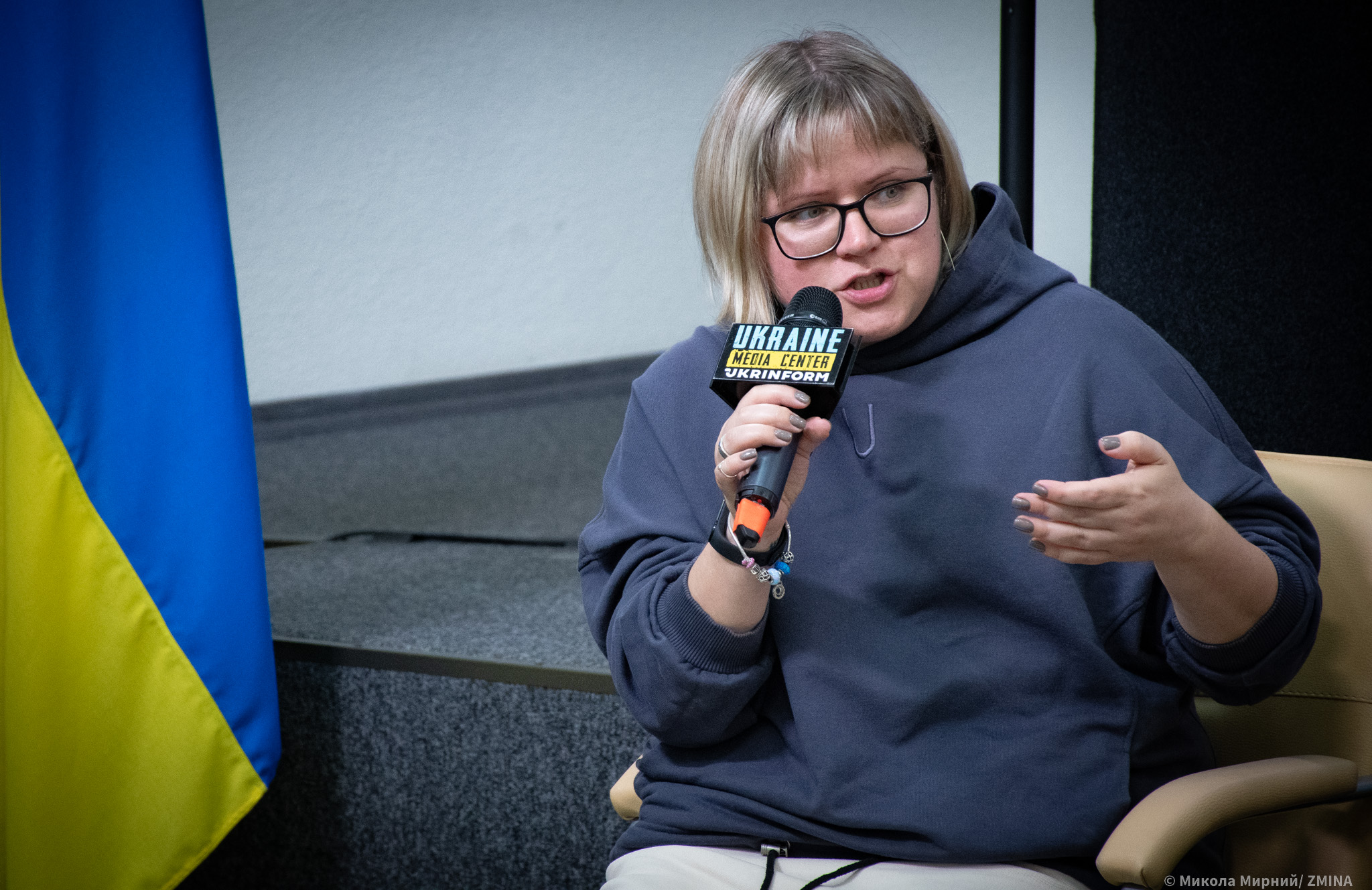 Alena Lunova
“We are documenting how the Russians are colonizing the temporarily occupied territories, settling them with their own citizens and thereby displacing the Ukrainian population from Ukrainian territory or destroying their identity. In 50 years, there will be no one there to talk to about de-occupation, because the policy of the Russian Federation is aimed at the extermination of Ukrainianness,” Alena Lunova stated.
“A description of the Russian Federation’s violations can serve as an argument as to why this option is not suitable for Ukraine, and we need to communicate to our partners that we cannot take a years-long pause in any de-occupation policy, because there will be no more Ukrainians there,” she added, drawing a historical parallel to when Moscow, after deporting the Crimean Tatars from the Crimean peninsula in 1944, forbade them from returning home for decades.
Stay connected via X and LinkedIn with ZMINA – and help build this platform with us by filling out our anonymous 5-minute survey here.