Ukrainian state covers 60% of expenses for a child under 18 in family-based care – study
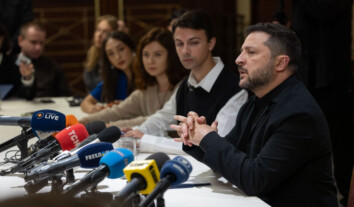
Monthly expenses for one child in family-based care amount to about 13,000 hryvnias, said Anastasiia Osadcha, manager of the Children’s Living Places project at the SOS Children’s Villages Ukraine foundation. She spoke at a public discussion on state support for orphans and family-based care. State assistance currently covers only 63% of this sum, and about 57% of families are forced to limit what they eat.
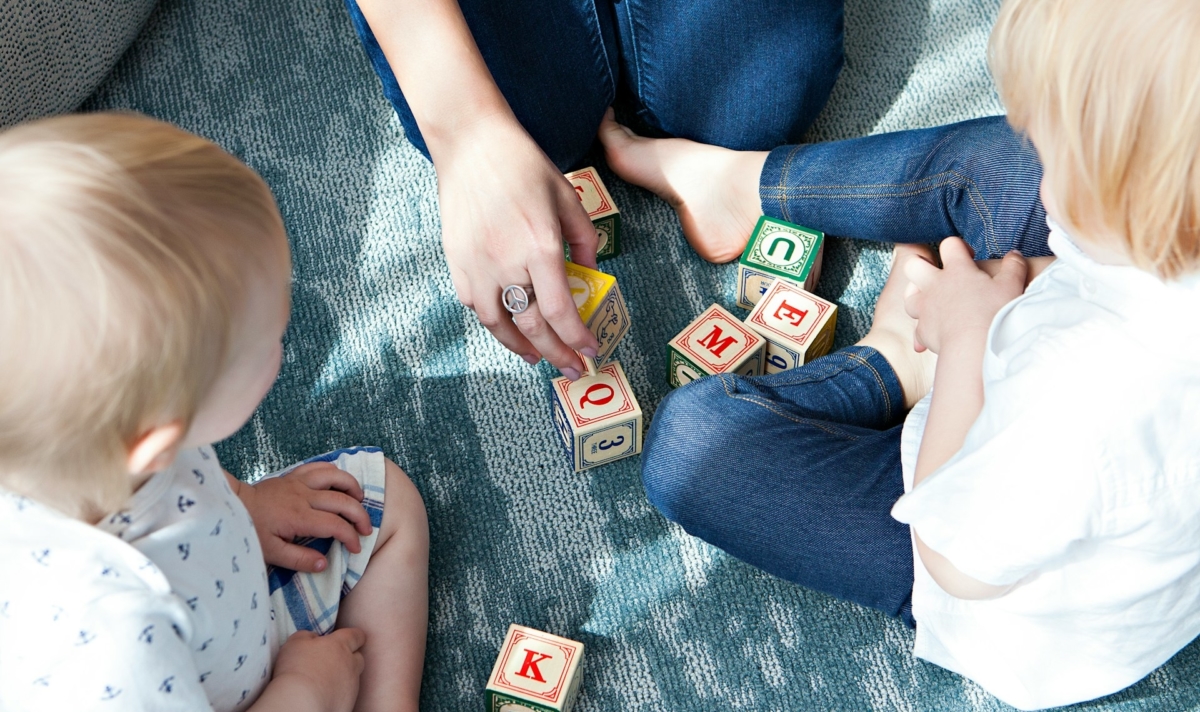 Illustrative photo: Unsplash
Research within the Children’s Living Places project was conducted between July and November 2025. Sociologists assessed how orphans and children deprived of parental care in family-based care are supported and how well their needs are met. The survey was conducted because 30% of such families are considering terminating family care, Osadcha noted.
“The main conclusion of our research is that existing families are on the edge of survival. Therefore, the primary task now is to preserve existing families and stimulate the creation of new ones,” she said.
According to the study’s results, average monthly expenses for one child amount to about 13,000 hryvnias. State assistance covers only 51% of expenses for a child under six and 63% for a child between six and 18.
About 75% of families’ expenses go to basic needs: food, hygiene, utility bills, cleaning and hygiene products and transport. At the same time, less than 10% is spent on children’s development, rest and leisure.
You may also want to read: Russian forces drop drone munition on civilians in Dnipropetrovsk region: Boy killed, two more children injured
The research revealed hidden deprivation – about 57% of families are forced to limit what they eat. Eight per cent constantly cut back on food. Meanwhile, 45% of families raising orphans and children deprived of parental care cannot fully pay utility bills in winter. Thirty-two per cent of families can only partially provide children with clothes and footwear.
Experts from SOS Children’s Villages Ukraine formulated proposals for changes to current legislation. In particular, they proposed to increase social assistance per child and provide financial support before the school year and when a child is placed in a family.
According to Osadcha, these proposals were taken into account in government bill No. 15438 on improving child protection mechanisms and ensuring children’s right to family-based care. The document was registered on 22 July 2026. It would change 18 pieces of legislation, including the law on state assistance to families with children.
An important part of the bill is that payments would be based on a basic amount, set every year by the state budget law, rather than on the subsistence minimum. Under the bill, the new system would start on 1 January 2027. At the same time, the bill does not specify the amount of financial provision for parents, the expert noted.
You may also want to read: Save the Children warns of new AI and drone threats to children in conflict zones
Earlier, the Ukrainian Child Rights Network proposed six solutions to support family-based care. In particular, it proposed to set aside money in the 2027 budget to help families raise children, tie the funding of services to the quality and needs of the child, and unify the approach to supporting all family forms – guardian families, foster families and family-type children’s homes.
On 15 September 2026, the Ukrainian president signed law No. 14191 on comprehensive support for children with disabilities, people with disabilities since childhood and their families. The minimum payment will be 8,000 hryvnias. The law will also introduce social services paid for by the state.
In 2024, the Strategy for Ensuring the Right of Every Child in Ukraine to Grow Up in a Family Environment for 2024–2028 was adopted. By 2028, it aims for 95% of orphans and children deprived of parental care to be raised in families and for the number of children in residential institutions to fall by 30%. Deinstitutionalisation reform is one of Ukraine’s commitments in the process of joining the EU.
Need a human-rights perspective on Ukraine’s latest legal developments? Connect with ZMINA on X, Bluesky and LinkedIn for regular policy updates – and let us know what you want to read next in our survey here.