Russian drone strike on minibus in Kherson kills one passenger and injures 12
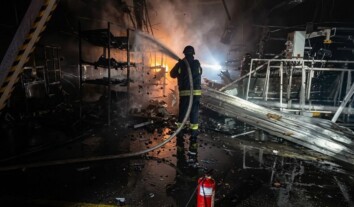
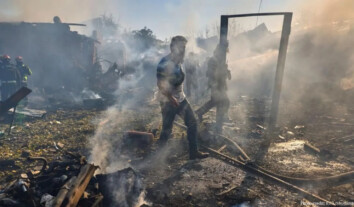
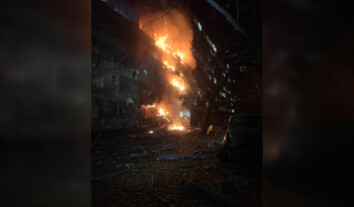
On 4 September 2026, a Russian military attack in Kherson killed one civilian and injured 12 others, the National Police of Ukraine reported.
 Photo: National Police of Ukraine
The Russian military once again targeted a rout taxi in the regional centre. A drone was used for the attack, allowing the operator to see the target before striking.
As a result, 12 civilians were injured, one of whom is in a severe condition. The deceased was a 47-year-old passenger who died in hospital due to the severity of his injuries.
Read more: Russian drone attacks on civilians amount to crimes against humanity – UN Commission
To provide background, ten Russians have been served with notices of suspicion for murdering Kherson civilians with drones.
The individuals are:
- Tsolak Grigorian, call sign Boroda;
- Nikita Gubar, call sign Drovosek;
- Nikolai Denisenko, call sign Gami;
- Vladimir Klimov, call sign Klim;
- Viacheslav Kornenkov, call sign Skif;
- Viktor Nizhnikov, call sign Fliaga;
- Ruslan Nugaev, call sign Dok;
- Vladimir Orlov, call sign Iakut;
- Ivan Prusachenko, call sign Prus;
- Oleg Pukhliakov, call sign Pulia.
Last year, Russian military serviceman Stepan Suminin was sentenced in absentia for dropping explosives on two people in Odradokamianka in the Kherson Oblast in May 2023. Following this strike, one of the victims enlisted in the Armed Forces of Ukraine to seek revenge against the perpetrator.
You may also want to read: Ukraine investigates over 16,000 Russian drone strikes on civilians
Russians are also conducting drone attacks in the Dnipropetrovsk Oblast, and journalists have identified the Russian commanders issuing the orders.
ZMINA and other media earlier reported that the proposal to bar Russian combatants from entering the EU faced resistance from France and Italy during negotiations on the bloc’s 21st sanctions package against Russia. Paris and Rome raised legal and practical concerns over the measure and argued that restrictions on Russian military personnel should be addressed through the EU’s visa policy rather than the sanctions framework. The proposal was subsequently narrowed to short-stay visas and people who had directly participated in Russia’s war against Ukraine.
The EU ultimately adopted its 21st sanctions 23 July on July 23, but the full entry ban was not included as an immediate measure. Instead, EU member states agreed on steps paving the way for a future ban on the entry of Russian combatants, subject to further implementing measures and a Council decision.
Follow ZMINA on X, BlueSky and LinkedIn for daily human rights coverage from Ukraine – we invite you to share your feedback on what you’d like to see more of in our survey here.