Russian “human safari”: Video shows drone chasing and attacking street vendor in Kherson
Ukraine’s President Volodymyr Zelenskyy has accused Russian soldiers of taking pleasure in killing people. After footage emerged showing a Ukrainian market trader being chased by a drone, the 52-year-old was selling vegetables in the Kherson Region (Oblast) when a drone circled his vehicle and then exploded, leaving him with a concussion and shrapnel wounds, the BBC World Service reported.
BBC News recalled that, sometimes called “human safari”, the deployment of remotely-operated drones against civilians has often been used by Russians to terrify residents of front-line areas in Ukraine.
“The world must see this,” Zelenskyy wrote on X. “It must see every piece of evidence that Russia has gone mad, and every fact that Russian soldiers are enjoying killing and tormenting people.”
You may also want to read: The human safari: How Russia weaponised precision against Ukrainian civilians
The video showed a “barbaric war crime”, Ukraine’s Foreign Minister Andrii Sybiha stated, stressing that “the sadist operating this drone knows full well that he is targeting a civilian.”
He added that the attack was part of a deliberate Russian campaign to intimidate civilians and demanded international condemnation.
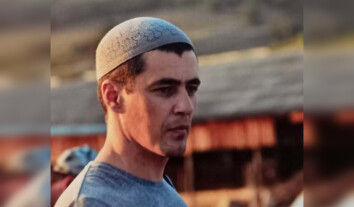
The Kherson regional governor later posted a video showing the man – identified as Yuriy, a 52-year-old street vegetable vendor – speaking from a hospital bed following the drone attack.
Yuriy said he and his wife had started to lay out crates of vegetables next to his van when he heard a distinctive buzzing sound overhead.
When his wife ran away, the drone turned to him instead. He held up some heads of garlic towards the drone’s camera to show the operator that he was not trying to film it.
“It could see that I had tomatoes out, some cucumbers and eggplants laid out on the floor,” Yuriy said. “It even ducked under the umbrella when I was running away round the other side.”
ZMINA and other media earlier reported that the proposal to bar Russian combatants from entering the EU faced resistance from France and Italy during negotiations on the bloc’s 21st sanctions package against Russia. Paris and Rome raised legal and practical concerns over the measure and argued that restrictions on Russian military personnel should be addressed through the EU’s visa policy rather than the sanctions framework. The proposal was subsequently narrowed to short-stay visas and people who had directly participated in Russia’s war against Ukraine.
The EU ultimately adopted its 21st sanctions 23 July on July 23, but the full entry ban was not included as an immediate measure. Instead, EU member states agreed on steps paving the way for a future ban on the entry of Russian combatants, subject to further implementing measures and a Council decision.
Keep up with ZMINA on X, BlueSky, and LinkedIn – and help us improve by answering a few quick questions here about our English-language coverage.