Crimean political prisoner Tofik Abdulgaziev has begun losing consciousness due to significant deterioration of his health condition
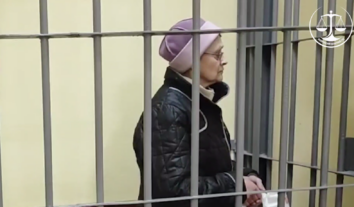
Crimean Tatar and Kremlin prisoner Tofik Abdulhaziev, who was diagnosed with a malignant brain tumor, has begun losing consciousness due to a sharp deterioration in his health. He is currently being held in a prison hospital in Chelyabinsk, Russia, according to his wife, Aliye Kurtametova.
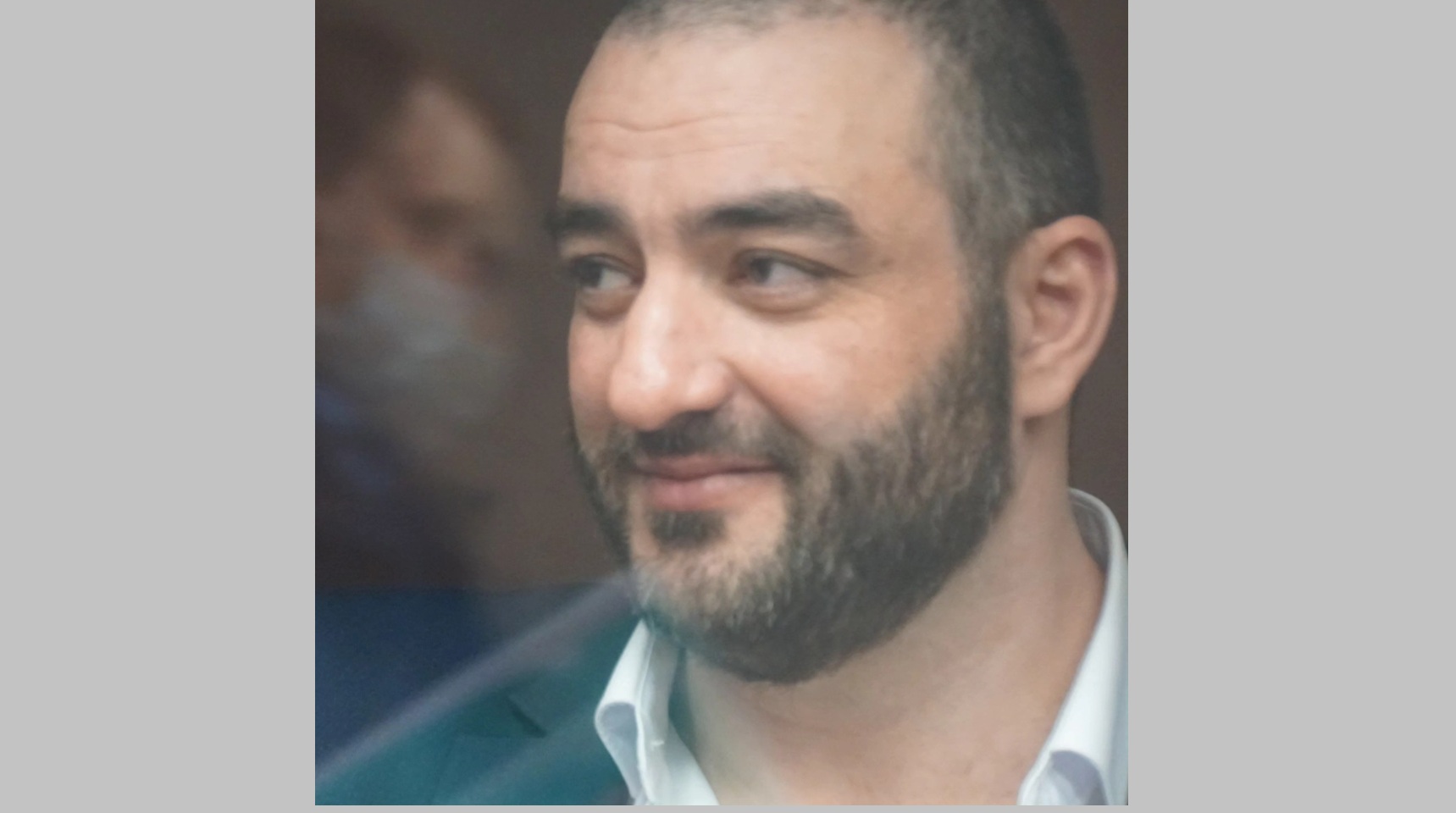 Tofik Abdulhaziev
“In our last phone conversation, my husband told me that he had started losing consciousness. Additionally, his shortness of breath has become more frequent; at times, it is difficult for him to even take a breath. Tofik constantly tries to stay close to his bed in case of sudden fainting,” the woman wrote on her Facebook page.
The Crimean Tatar is being held in solitary confinement, so if he becomes unwell, there is no one to help him.
Aliye is unable to call the doctors to find out about the course of treatment or her husband’s condition due to the prolonged holidays.
“I ask everyone to pay attention to my husband’s situation. Tofik Abdulhaziev should be at home. Time is working against us. I demand my husband’s release,” the woman wrote.
Tofik Abdulhaziev is an activist with the grassroots human rights initiative “Crimean Solidarity,” a sound engineer, and a participant in the “Crimean Childhood” project. He was actively involved in supporting political prisoners: delivering food packages to pre-trial detention centers, attending court hearings in politically motivated cases, and arriving to support his compatriots while their homes were being searched.
He was arrested on March 27, 2019, on groundless charges and sentenced in a fabricated case for alleged participation in the “terrorist” organization Hizb ut-Tahrir. That day marked the largest wave of arbitrary home searches among Crimean Tatars, after which the Russian occupiers detained 23 citizen journalists and activists.
The religious party Hizb ut-Tahrir has been banned in Russia since 2003; however, it operates legally in all territories of Ukraine, including the Autonomous Republic of Crimea, as well as in many other countries. Russia, in violation of the Geneva Convention, applies its own criminal legislation to the temporarily occupied territories of Ukraine.
Earlier, Freedom House pointed out that following the Russian annexation of Crimea in 2014, allegations of membership in Hizb ut-Tahrir have become a common pretext for criminal prosecutions there, and are one of many abuses of anti-extremism legislation against civic activists and others.
In May 2023, Abdulhaziev was sentenced to 12 years of imprisonment in a maximum-security colony, with the first five years to be served in a prison. During his time in detention, his health deteriorated significantly as chronic illnesses were exacerbated by poor detention conditions.
In July 2023, the Crimean Tatar was illegally transferred to the prison in Verkhneuralsk, Chelyabinsk region, located 2,700 kilometers from his home. As is known, Article 49 of the Fourth Geneva Convention і prohibits the occupying power from making “individual or mass forcible transfers, as well as deportations of protected persons from occupied territory to the territory of the Occupying Power or to that of any other country, occupied or not, regardless of their motive.”
After the transfer, the man began to lose weight rapidly and constantly complained of severe joint pain. In March 2024, the Kremlin prisoner’s health sharply deteriorated, and he was taken in critical condition to Prison Tuberculosis Hospital No. 3 in Chelyabinsk. Just two weeks later, he was admitted to intensive care. Abdulhaziev was diagnosed with eight diseases:
- Tuberculosis;
- Bilateral pneumonia;
- Small left-sided hydrothorax (fluid in the lungs);
- Anemia;
- Connective tissue dysplasia syndrome with mitral valve damage (heart disease);
- Chronic heart failure;
- Gastritis;
- Nephrolithiasis (kidney stones).
Some of these conditions are included in the official list of illnesses that, according to Russian legislation, exempt individuals from detention.
In April 2024, the defense for the Crimean political prisoner filed a motion with the court demanding that the Federal Penitentiary Service release Abdulhaziev due to his medical conditions, which are listed as reasons that prevent serving a sentence in correctional facilities.
In October of the same year, Abdulhaziev reported that his vision had begun to deteriorate sharply.
In February 2025, the man informed his relatives that his condition had significantly worsened: his coughing fits became more frequent, and he had a persistent fever. The family also learned that he had been placed in the disciplinary cell of the prison hospital, where he, a Muslim, was held in damp and cold conditions.
Over the last year and a half, Abdulhaziev has been on the brink of life and death several times.
In October 2025, the Crimean Tatar was being prepared for discharge from the prison hospital due to a relative stabilization of his condition. However, in November, he began complaining of poor vision. An ophthalmologist examined him and said that his vision was fine.
On December 1, 2025, the Crimean Tatar was taken under guard and in handcuffs to a city hospital for an MRI scan, which revealed a neoplasm in his head. Subsequently, a council of Russian doctors concluded that the tumor was malignant.
ZMINA previously reported that the lawyer and relatives of Crimean political prisoner Tofik Abdulhaziev, who was sentenced to 12 years in prison, are seeking his release from the Russian colony due to his severe health condition: a malignant brain tumor was discovered.