RSF publishes 2026 ‘press freedom predators’ list featuring Putin and Trump
To mark the International Day to End Impunity for Crimes against Journalists, observed on 2 November, the international organisation Reporters Without Borders (RSF) published its updated list of 33 “press freedom predators” for 2026. Among them is Russian ruler Vladimir Putin, whom the organisation links to systematic repression of journalists and attacks by Russian military personnel on media workers in Ukraine. This year, US President Donald Trump was also added to the list.
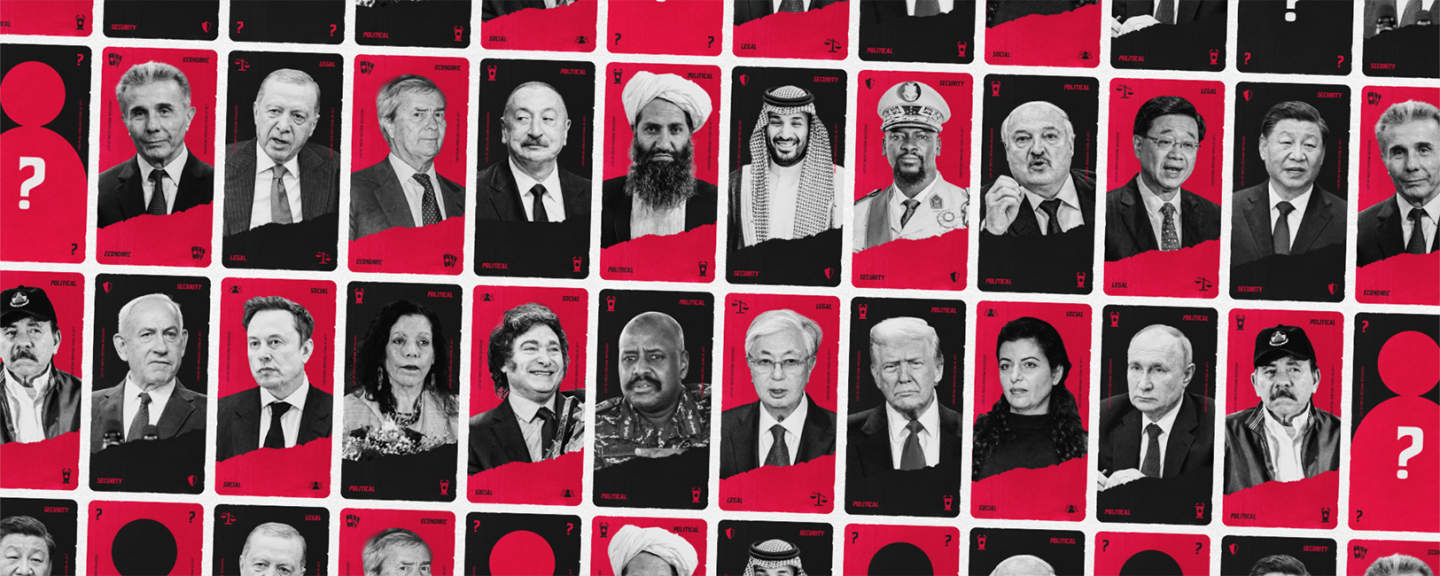
In Putin’s profile, RSF notes that in 2026 Russia is experiencing the most extensive repression of the press since the collapse of the USSR and has reached its lowest position in the history of the World Press Freedom Index – 172nd out of 180 countries. According to the organisation, the persecution of journalists in Russia has intensified since Putin came to power in 2000, and especially after the onset of the full-scale invasion of Ukraine in 2022.
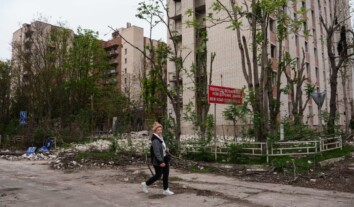
RSF has documented more than 230 attacks by Russian military personnel on journalists and media on Ukrainian territory, where 16 media workers have been killed and 53 injured.
Among the violations recorded by the organisation in 2026 are the arbitrary detention of 50 journalists, including 27 Ukrainian ones, and the inclusion of about 60 media workers in the Russian list of “terrorists and extremists”. RSF names the systematic torture of media workers in custodial settings as the primary method of suppressing journalism in Russia.
The list also includes US President Donald Trump. RSF says it included him because of his attacks on the press during his second presidential term: the organisation points to attempts to turn journalism into political propaganda and physical restrictions on journalists’ work. The US ranks 64th in the World Press Freedom Index.
On 2 November, Ukraine and the world mark the International Day to End Impunity for Crimes against Journalists. It was proclaimed by the UN General Assembly in 2013 to draw attention to attacks, threats and murders of journalists, for which perpetrators often avoid punishment.
As ZMINA wrote earlier, Reporters Without Borders emphasised that Russia’s occupation has created extremely difficult conditions for independent journalists in temporarily occupied Crimea – forces controlled by the Kremlin suppress any exercise of freedom of speech, and independent media have been practically destroyed.
RSF is calling for the immediate release of Ukrainian journalist Iryna Levchenko and has condemned the systematic pressure on participants of the civic movement “Crimean Solidarity”. In September 2026, a Russian-controlled court in occupied Melitopol sentenced Levchenko to 15 years in prison on charges of “espionage”.
Stay connected with us via X, Bluesky and LinkedIn – and while you’re here, please spare five minutes to fill out our survey and tell us what you’d like to see next.