Russian strikes kill at least 15 civilians in Ukraine on 30 July – Ukrainian police
Russian strikes on 30 July 2026 killed at least 15 civilians in Kyiv and the Dnipropetrovsk, Poltava, Lviv and Kherson Regions (Oblasts) and wounded at least 67 others, including in the Donetsk, Kharkiv, Zaporizhzhia and Kyiv Oblasts, the National Police reported.
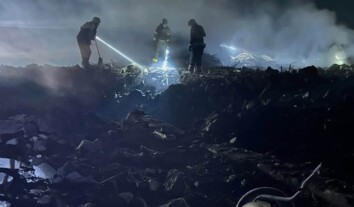
 Aftermath of fire at a civilian home in the Zaporizhzhia Oblast following a Russian strike
Those killed in Russian strikes on 30 July included:
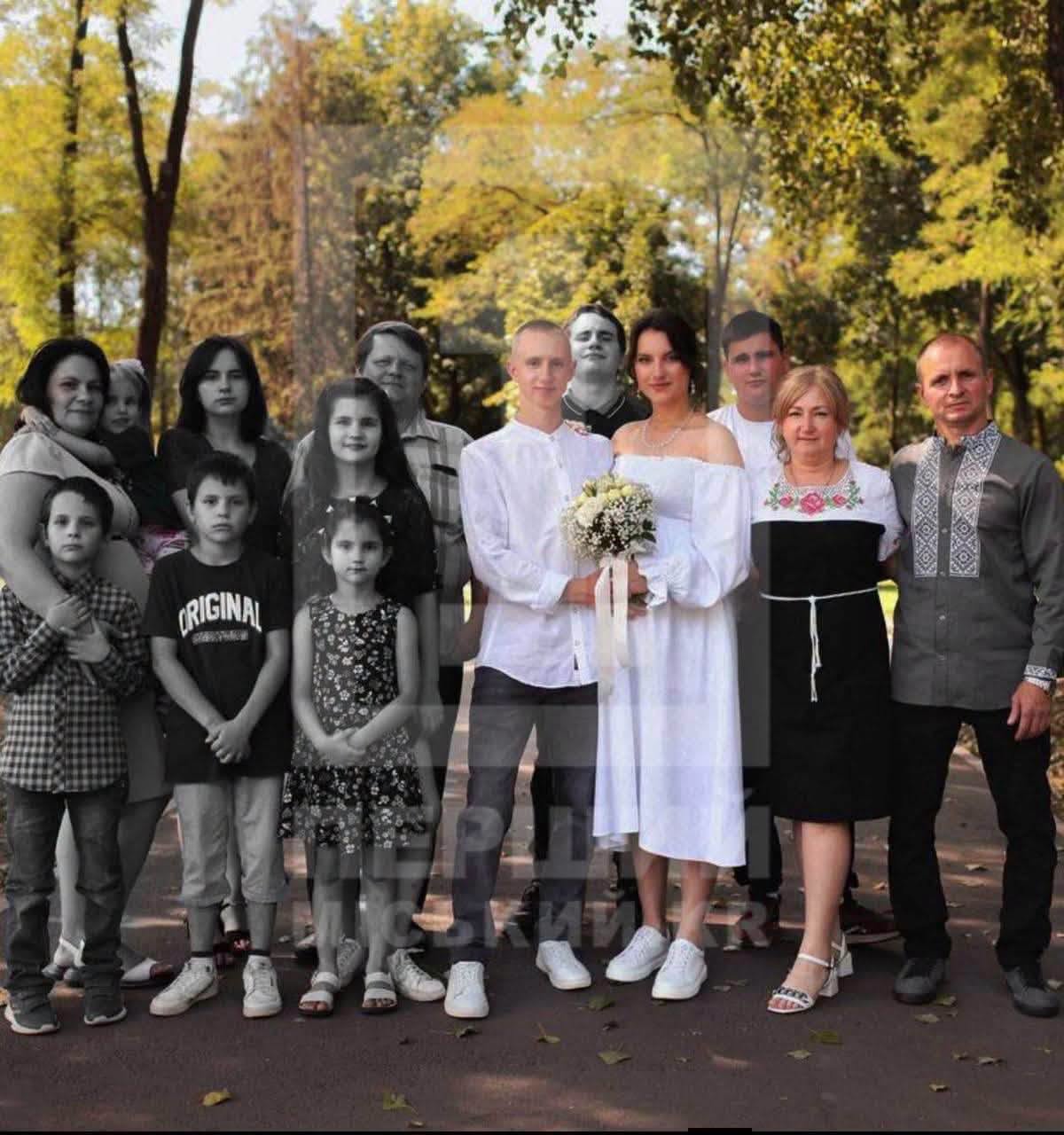
- two parents and their children in Radushne, the Dnipropetrovsk Oblast;
- two women in the Dnipropetrovsk Oblast;
- a man in Kyiv;
- a security guard at an enterprise in the Poltava Oblast;
- a man in Lviv;
- four people in the Kherson Oblast.
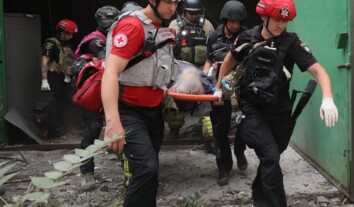
As of the morning of July 31, 38 people were known to have been wounded in Lviv as a result of a Russian strike that hit the city, including a five-story residential building. Rescue workers have finished clearing the rubble at the site of the attack.
Seven civilians were wounded in the Kharkiv Oblast, where Russian forces struck the regional capital, as well as Vilshany and Derhachi.
Six people, all elderly residents, were wounded in Russian strikes in the Zaporizhzhia Oblast.
Five civilians were wounded in each of the Donetsk and Kherson Oblasts, while three were wounded in each of Kyiv and the Dnipropetrovsk Oblast.
To provide background, Russian strikes killed five civilians across Ukraine on 29 July.
You may also want to read: Putin tries to exterminate us as a nation, as Hitler tried to exterminate the Jewish people during World War II
Ukrainian experts point out that countries, including China, Greece, North Korea, Hungary, Slovakia, Iran, and Brazil, assist Moscow in killing Ukrainians in its war against Ukraine by funding the Russian budget through trade.
Human rights organisations and Ukrainian authorities emphasise that structural economic pressure remains a key tool to halt such atrocities. They urge every nation and individual government worldwide to strictly enforce global sanctions, close existing regulatory loopholes, and completely sever remaining commercial and technological ties with the Russian Federation. Civil society groups stress that any continued cooperation by foreign businesses directly contributes to the resources Moscow uses to sustain its ongoing war crimes and crimes against humanity in Ukraine.
Keep up with ZMINA on X, BlueSky, and LinkedIn – and help us improve by answering a few quick questions here about our English-language coverage.