
Ukrainian police received 416 reports of torture of Kremlin detainees in occupied territories in 2024 – Ombudsman
In 2024, investigators from the National Police of Ukraine initiated criminal proceedings regarding the enforced disappearance and deprivation of liberty of 204 civilians in the occupied territories. Additionally, during the same period, the police received 416 reports of torture and cruel treatment of Kremlin detainees in the temporarily occupied territories (TOT) and the Russian Federation (Taganrog, Ed.), as reported by the Office of the Ombudsman of Ukraine.
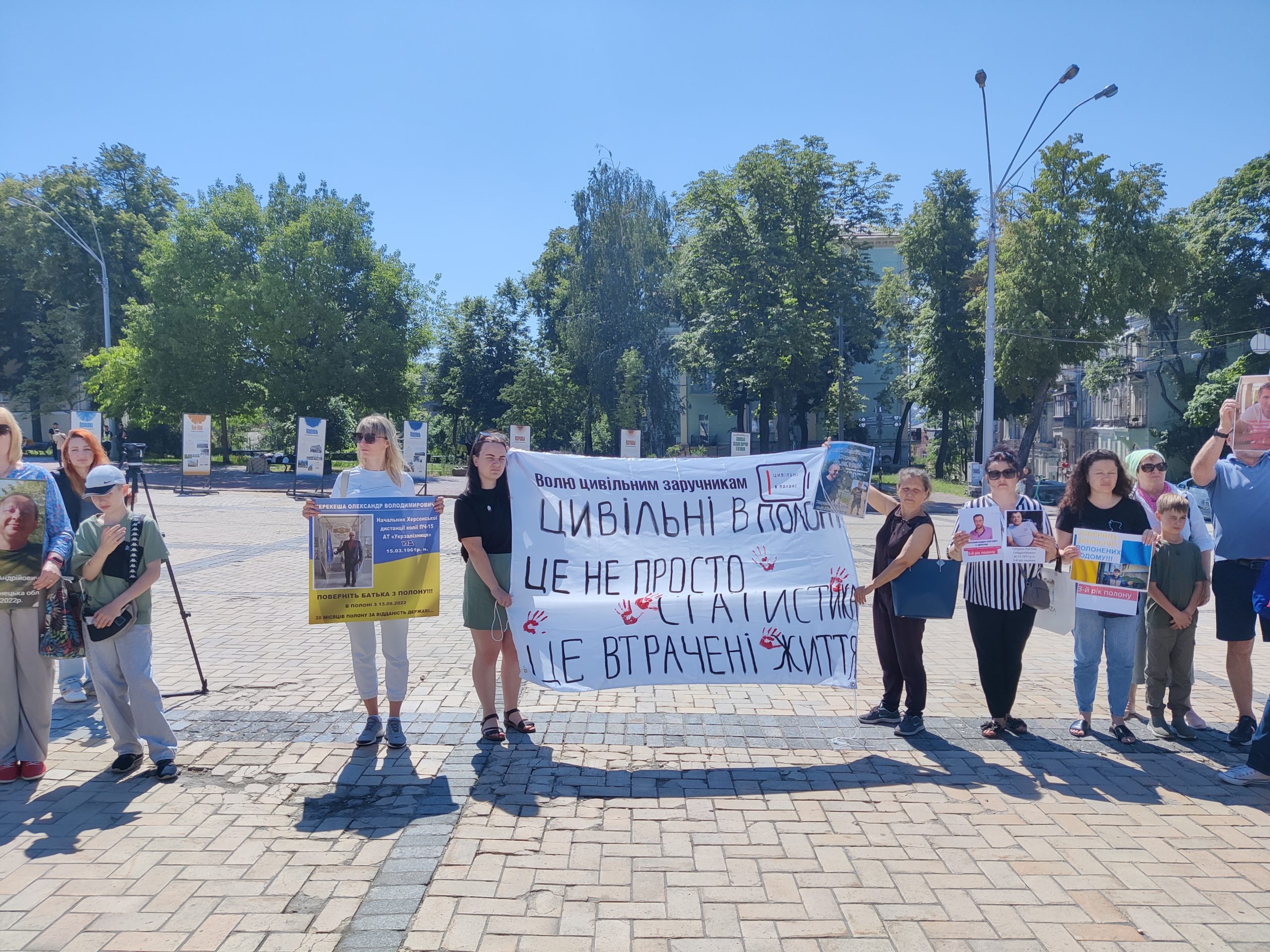 Photo: ZMINA
According to the findings of an independent expert mission of the OSCE Moscow Mechanism, last year, Russian forces mostly unlawfully detained Ukrainians or did so with violations of procedural guarantees, thereby failing to comply with international humanitarian law and international human rights law.
“The problem of human rights violations against civilians in detention facilities in the temporarily occupied territories of Ukraine and in the Russian Federation requires separate consideration, including: cruel treatment, intentional infliction of suffering or harm to health, torture, deliberate killings, and extrajudicial executions, etc.,” the document states.
Under occupation, violence against life and person becomes one of the instruments of systemic repression against the civilian population aimed at suppressing any forms of resistance. In this context, the actions of the occupiers are also qualified as crimes against humanity, the Ombudsman’s Office clarified.
Families of missing persons have already received over 62,000 extracts from the Unified Register of Persons Missing in Special Circumstances. The same families sometimes request extracts multiple times. For example, a spouse of a missing person might receive the document first, later followed by their mother, and then again when an updated document is required for processing social benefits or state guarantees.
Earlier, ZMINA reported that a unified information platform for missing persons will be launched in May 2025. This platform will help families understand which government bodies and public organizations to contact in the event their loved ones go missing.