UK condemns Russia’s militarization and indoctrination of Ukrainian children, demands release of Ivan Zabavskyi and detained OSCE staff
The UK condemned Russia’s systematic efforts to compel loyalty from Ukrainian children through militarisation, indoctrination, and coercion and called on Moscow to implement in full the recommendations outlined by the OSCE expert group.
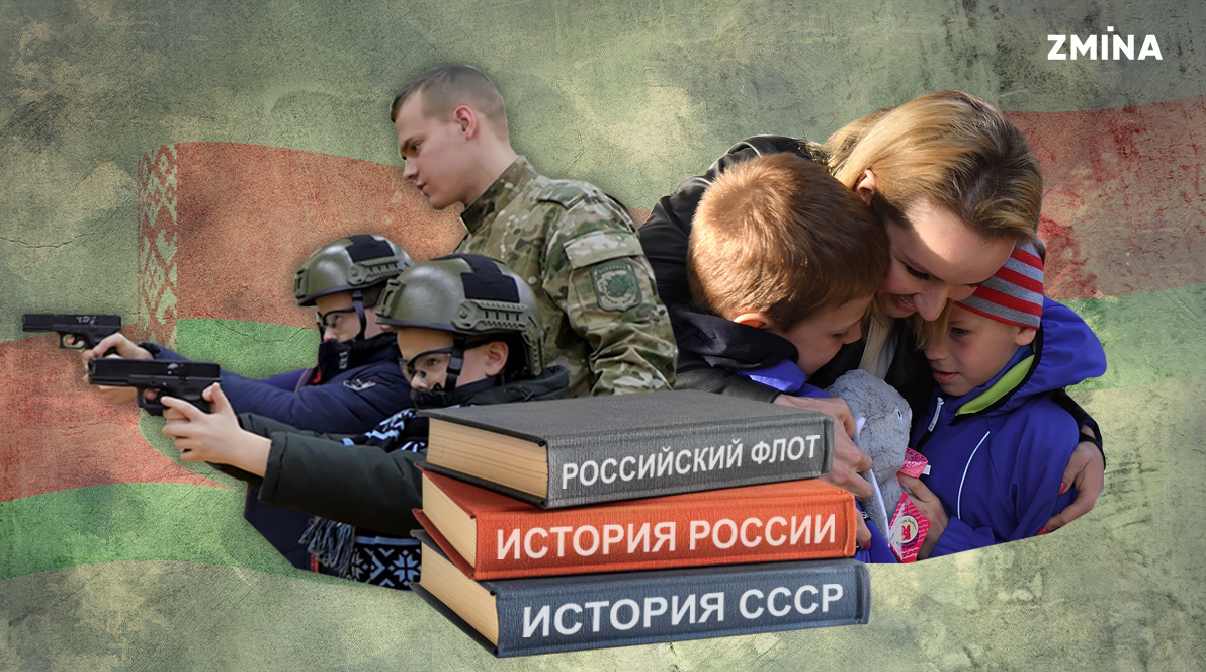
Neil Holland, head of the United Kingdom’s Delegation to the OSCE, noted in his speech at the presentation of the OSCE report in Vienna that the document records how Russia operates a coordinated mechanism of indoctrination and militarisation of Ukrainian children in the occupied territories, which is enforced through pervasive coercion.
“It also makes clear how indoctrination operates across every level of the school system in the occupied territories, and how militarisation extends beyond the classroom through state-sponsored military-patriotic youth organisations and re-education camps […]. Your findings are deeply concerning, and we call on Russia to implement in full the recommendations within your report,” he said.
“The OSCE Office for Democratic Institutions and Human Rights released a report concluding that Russia has violated International Humanitarian Law on a grand scale and is responsible for numerous and overlapping violations of International Human Rights Law.
“Dialogue and cooperation should lie at the heart of this organisation. Indeed, OSCE leaders established the Moscow Mechanism to further respect for human rights and fundamental freedoms “through dialogue and cooperation”. It has been invoked six times since Russia launched its full-scale invasion of Ukraine in 2022,” Holland commented and added that each time Ukraine has opened its territory to expert scrutiny, ensured access across relevant government ministries and agencies and facilitated contact with independent civil society, while Russia has not engaged in any of those Moscow Mechanism invocations.
During his speech, he addressed the Russian Federation, asking the following questions:
- When will Russia cease its widespread and systematic efforts to compel loyalty from Ukrainian children through militarisation, indoctrination and coercion?
- When will Russia provide a total number and list of names of unaccompanied children who have been forcibly transferred from Ukraine to Russia or within the temporarily occupied territories of Ukraine since 24 February, 2022?
- When will Russia release Ukrainian civilians like Ivan Zabavskyi?
- When will Russia release the three detained OSCE staff members – Vadym Golda, Maksym Petrov and Dmytro Shabanov, who have been unjustly detained since 2022?
“Ivan and other Ukrainian civilians just like him are being unjustly held in Russian jails, often following months of incommunicado detention and mistreatment. The Moscow Mechanism report in April 2024 exposed these facts […]. This is not the first time these questions have been asked of the Russian Federation. A Russian refusal to answer these questions, Mr Chair, would speak volumes about their claims to seek dialogue and to uphold OSCE principles and commitments,” Neil Holland stated.
You may also want to read: While missiles hit Kyiv, the OSCE throws itself a birthday party
Previously, ZMINA reported that an OSCE expert mission established under the Moscow Mechanism released its report on the militarisation and indoctrination of Ukrainian children by Russia on 9 July, 2026. This is the first document to describe Russia’s policy of militarisation and indoctrination as a comprehensive system rather than a series of isolated cases.