Three people killed in Russian shelling in Ukraine on March 31; children are among injured
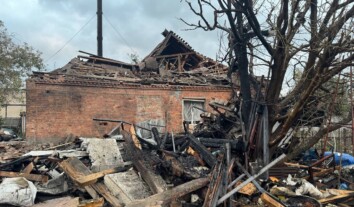
As a result of Russian shelling on March 31, 2026, three civilians were killed in the Kherson, Sumy, and Poltava regions, and more than three dozen others, including children, sustained injuries, particularly in the Zaporizhzhia, Donetsk, Dnipropetrovsk, and Kherson regions, according to the National Police.
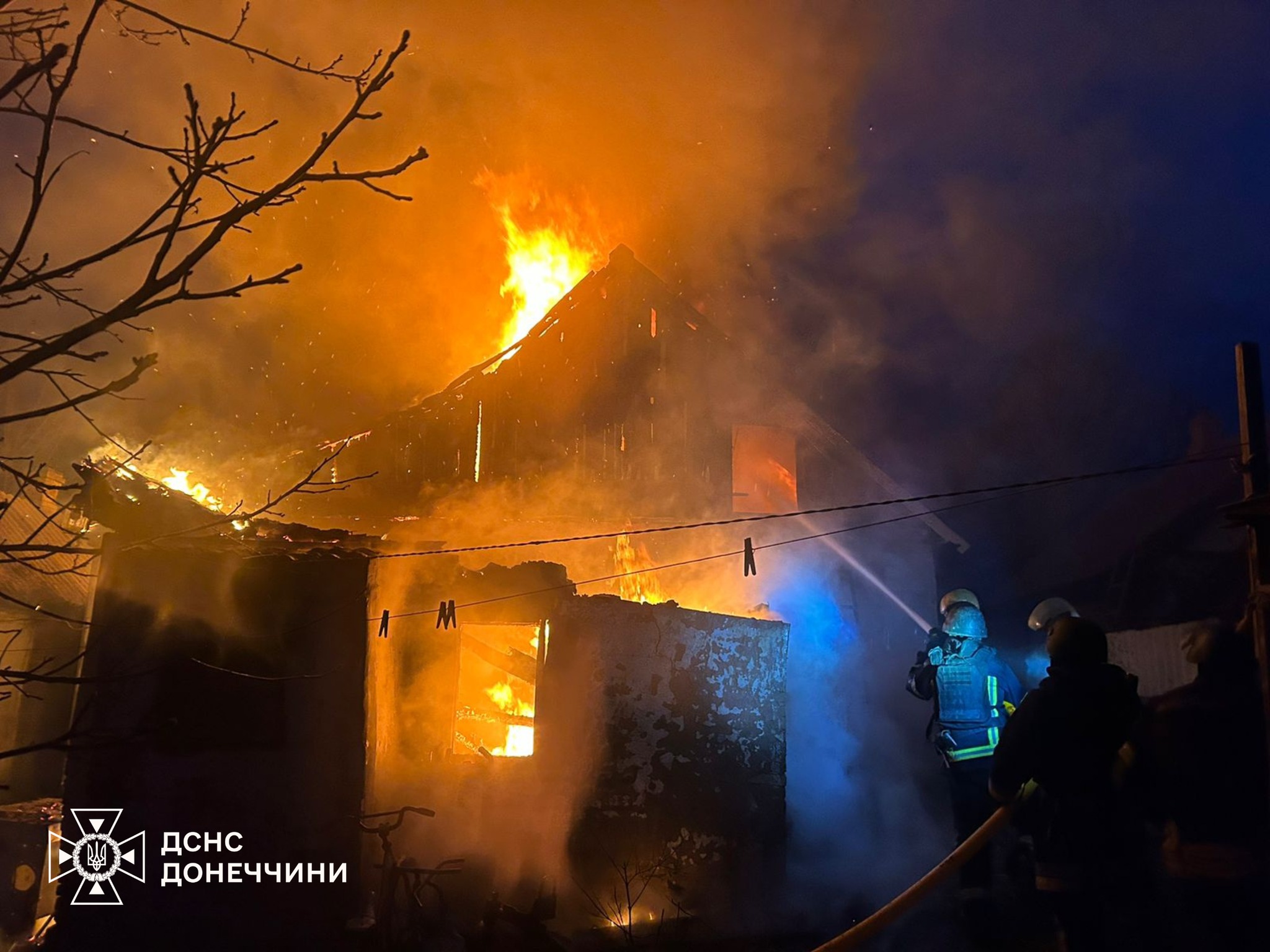 Rescuers are extinguishing a fire in a building hit by a Russian strike in Donetsk Oblast
The victims of Russian shelling on March 31 were:
- An 18-year-old boy from Kostyrka, Kherson Oblast, whom the Russians struck with a drone;
- A 37-year-old driver, whose car the Russians struck with a drone in the Velyka Pysarivka “hromada,” a local government area that includes one or more nearby settlements;
- A person in the Poltava hromada.
Many civilians were injured due to Russian strikes, with at least 15 in the Dnipropetrovsk region. Among the injured in this Oblast was a 16-year-old girl from Nikopol, who was injured by a Russian drone strike along with 10 other residents.
Another 11 civilians sustained injuries in Donetsk Oblast, which Russia struck over 1.3 thousand times during the day with various weapons. As a result, residents in Sloviansk, Druzhkivka, and Dobropillia were injured.
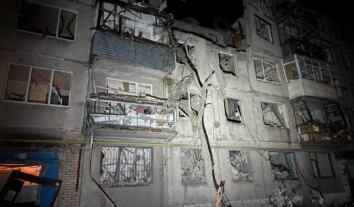
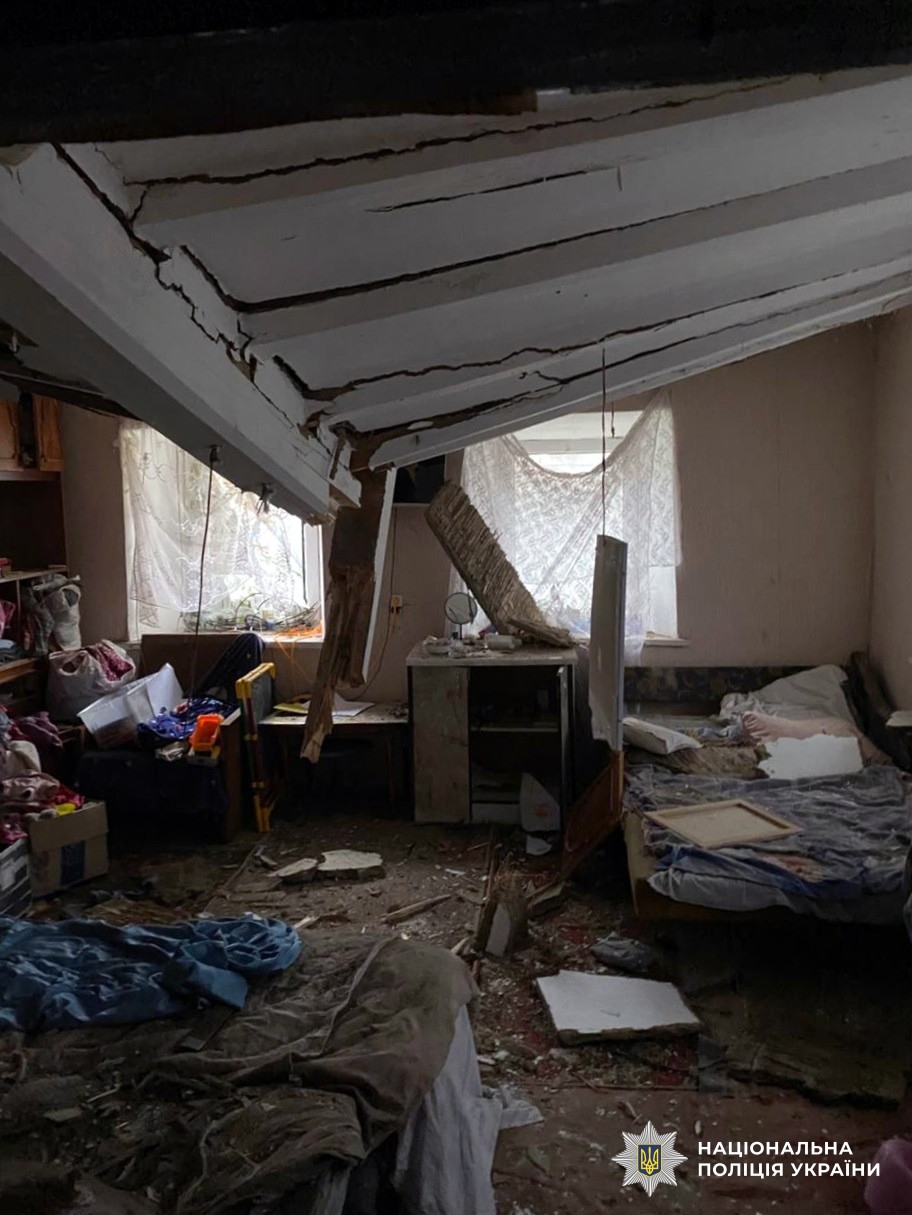 Destruction in an apartment in a high-rise building hit by the Russian military in Kherson
Nine civilians were injured in Russian strikes on the Kharkiv Oblast: six, including a two-year-old child, sustained an acute stress reaction after a strike on Chuhuiv, and three more are police officers whom the Russians hit when they arrived at the scene.
In the Kherson Oblast, five victims were recorded due to Russian shelling on March 31: among them is a pensioner from Dar’ivka, on whom explosives were dropped from a drone, a fellow villager of the deceased youth from Kostyrka, and the rest are in Kherson.
Four civilians each were injured due to Russian shelling in the Zaporizhzhia and Poltava regions.
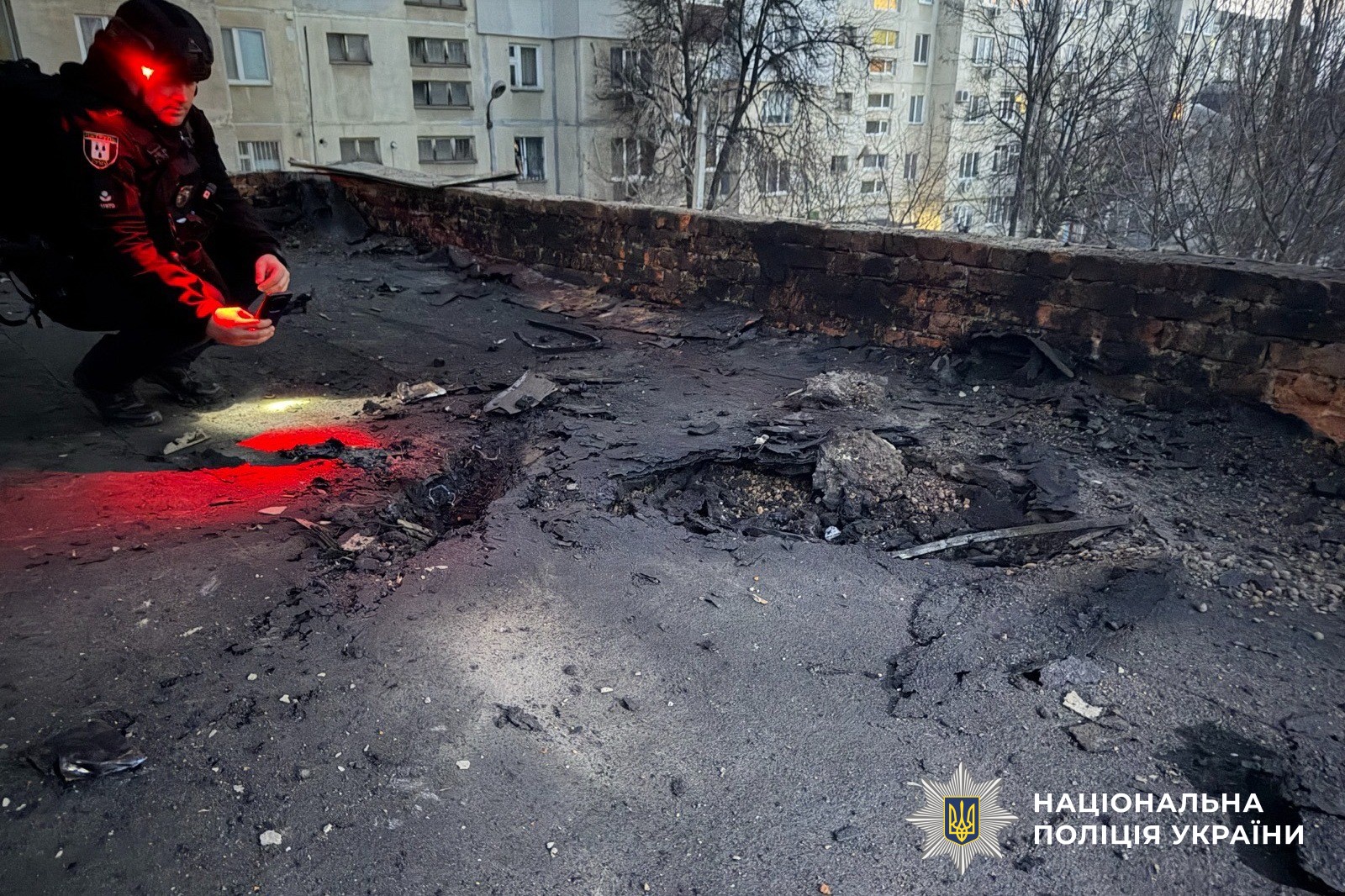 A police officer on the roof of a residential building shelled by Russians in the Sumy region
To provide background, on March 30, the Russian military killed two people in Ukraine with their shelling.
On March 31, President Volodymyr Zelenskyy said at the Bucha Summit 2026 that there are currently no signals from Russia regarding an energy truce; however, he will still submit a proposal to the USA to conclude such a truce.
“If they [the Russians] hit us, we will respond. If they agree to stop strikes on energy — we will act and respond symmetrically,’ the president said.
Meanwhile, at the same summit, EU Foreign Policy Chief Kaja Kallas said to journalists that she cannot yet report “good news” on the adoption of the 20th sanctions package against Russia or on the provision of 90 billion euros in aid to Ukraine.
“Yes, we have some obstacles on the way regarding the 20th sanctions package, as well as regarding the loan payment. Work on overcoming them continues, but, unfortunately, today I cannot report good news,” she noted.
Ukrainian experts point out that countries including China, North Korea, Hungary, Slovakia, Iran, Serbia, and Brazil assist Moscow in killing Ukrainians in its war against Ukraine by funding the Russian budget through trade.
On March 13, the U.S. lifted sanctions on Russian oil tankers at sea. Washington said the move was intended to stabilize global energy markets after oil prices surged due to the U.S.-Israeli war against Iran and Tehran’s attacks across the Persian Gulf, which effectively paralyzed oil exports from the region.
Previously, Reuters reported that a Russian-flagged tanker carrying some 700,000 barrels of crude docked in Cuba’s Matanzas oil terminal on March 31, shipping data showed, marking the first significant oil delivery to the island since President Donald Trump’s administration cut off its fuel supply.
The US administration will allow Kazakhstan to continue transiting Russian pipeline crude to China until next March, according to the Central Asian nation’s energy ministry, Bloomberg reported. Following consultations with the US Treasury, a waiver was extended until March 19, 2027.
Cover photo: National Police in the Kherson Oblast
Follow ZMINA on X and LinkedIn for daily human rights coverage from Ukraine – we invite you to share your feedback on what you’d like to see more of in our survey here.