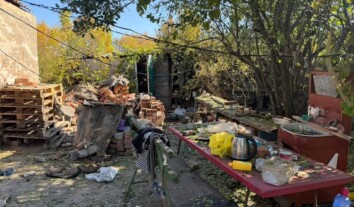
Russian forces strike Centralized Spent Nuclear Fuel Storage Facility in Kyiv region
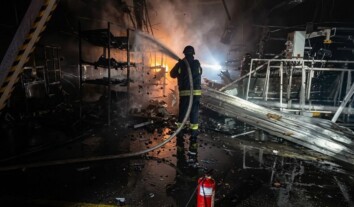
On the night of June 7, 2026, Russian forces attacked a building at the Centralised Spent Fuel Storage Facility and the IAEA administrative building in the Kyiv Oblast, Ukraine, the state nuclear energy company Enerhoatom stated.
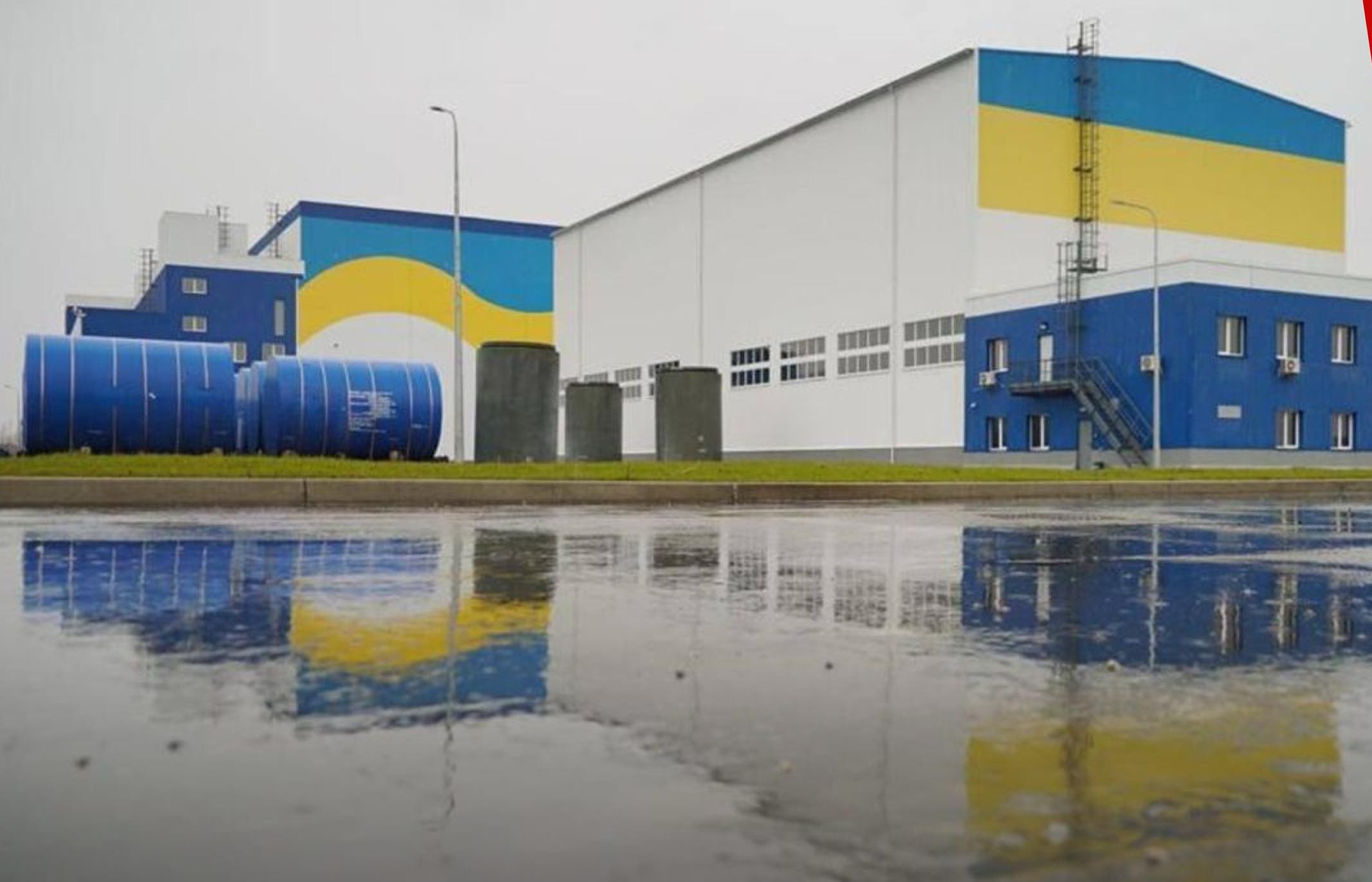 Photo credit: Enerhoatom
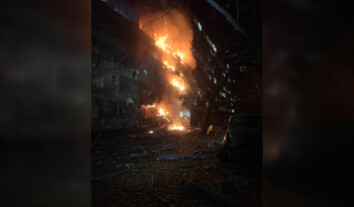
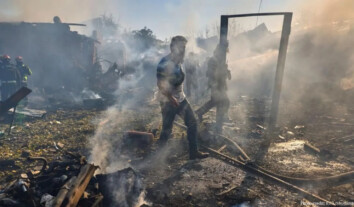
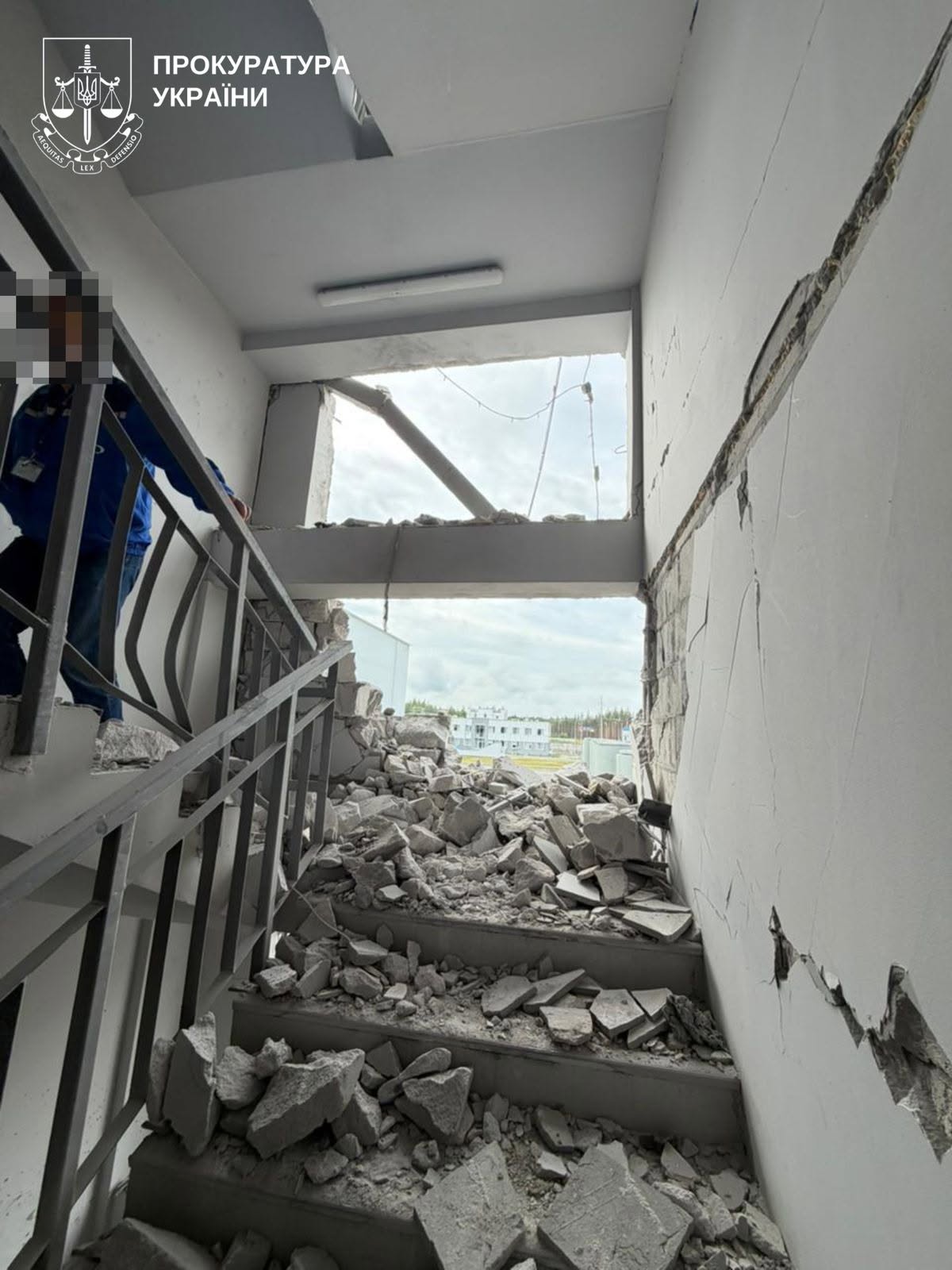
The Russian drone attack occurred at 2:10 a.m. and partially destroyed a container reception building. No spent nuclear fuel was stored inside the structure at the time.
A fire spread over an area of 40 square meters but was extinguished. Radiation levels at the facility’s site remain within normal limits.
 Impact site
The Centralised Spent Fuel Storage Facility, located in Chornobyl, is a site for the long-term storage of spent nuclear fuel from Ukraine’s operating nuclear power plants.
The company condemned the latest attack on critical infrastructure, calling Russia’s actions a deliberate threat to radiation safety.
“Another strike on a nuclear infrastructure facility has once again demonstrated to the whole world the true face of the Kremlin regime, which deliberately creates threats to nuclear and radiation safety,” Energoatom said. “Russia continues to act as a terrorist state and a nuclear terrorist, disregarding international law and the safety of millions of people.”
The Office of the Prosecutor General reported that Russians struck the territory of the Centralised Spent Nuclear Fuel Storage Facility with a Geran-2 type unmanned aerial vehicle.
“As a result of the attack, the spent nuclear fuel reception and transfer building and the IAEA administrative building were damaged. Early information indicates the strike did not affect the facility’s operational processes. Radiation levels are within normal limits. There are no fatalities or casualties,” the statement reads.
The Office of the Prosecutor General stated that it initiated a pre-trial investigation “into another act of nuclear terrorism by the aggressor state and violations of the laws and customs of war under Article 438.1 of Ukraine’s Criminal Code”.
The Security Service of Ukraine has classified the incident as a war crime.
You may also want to read: European, Japanese, and U.S. parts helped Russia build missiles that killed 24, including three children, in Kyiv on 14 May – Zelenskyy
To provide background, a Russian Geran-2 drone struck the protective arch over the Chornobyl Nuclear Power Plant in February 2025, stripping the structure of its airtight and anti-corrosive properties. As specialists seek solutions to repair the damaged shelter reliably, officials warn that not only reactor No. 4 but also other facilities in the exclusion zone are at risk.
In April 2026, Greenpeace Ukraine warned that the sarcophagus at the Chornobyl Nuclear Power Plant requires urgent dismantling, yet damage to its protective structure following a Russian strike has rendered the process currently impossible, significantly escalating the risk of collapse.
Keep up with ZMINA on X, BlueSky, and LinkedIn – and help us improve by answering a few quick questions here about our English-language coverage.