Russian drone attack kills four civilians in Cherkasy region
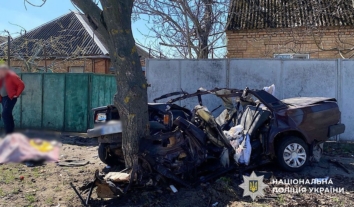
On April 1, in the Zolotonosha District of the Cherkasy Oblast, the Russian military killed four people in a drone strike, according to the Head of the Cherkasy Regional Military Administration, Ihor Taburets.
According to Taburets, the murder happened during an air raid alert. People were in an open area.
“We have four dead in the Zolotonosha District. Law enforcement officers are currently clarifying all circumstances. Investigative actions are ongoing. My condolences to the relatives,” noted Taburets.
At the time the message from the head of the Cherkasy Regional Military Administration was published, the Russian attack on the region was continuing.
Law enforcement agencies are working at the scene of the incident to establish all the circumstances of the murder.
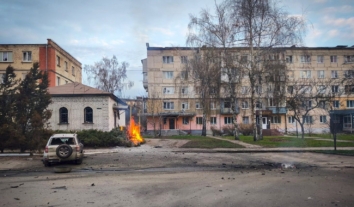
In addition, on April 1, at around 11:10, the Russian military attacked a civilian car with a drone in the Dniprovskyi District of Kherson. As a result of the attack, a woman died, and two more people sustained injuries. Additionally, in the past 24 hours, a boy died from a drone strike near the village of Kostyrka.
Meanwhile, President Volodymyr Zelensky, in his evening address, said that Russians launched more than 700 drones in their large-scale attack on Ukraine on April 1. There were hits, including in Volyn, Zakarpattia, Ternopil, Chernivtsi, Cherkasy, Ivano-Frankivsk, and other Oblasts of the country.
“Our warriors were downing Russian drones the whole day. Air-raid warnings were issued in most oblasts, and there were more than 700 Russian drones, a significant number of them Shaheds. The interception rate over this 24-hour period was pretty high – around 90% – but of course it needs to be higher,” the head of state said.
Zelensky added that once again, one of Russia’s main targets was Ukraine’s energy sector. Food warehouses and a Nova Poshta hub were also damaged in Lutsk. Damage was caused to residential buildings in Poltava and other oblasts.
“This is the Russians’ response to our proposal for a ceasefire over the Easter holidays. Ukraine publicly made the proposal to Russia. Russia is responding with Shaheds and continues its terrorist operations against our energy sector and infrastructure. I spoke with the U.S. team today, including about this. Different signals are needed, and silence over Easter could be just the signal that tells everyone that diplomacy can succeed. Ukraine is doing everything possible to support efforts for peace,” the President stated.
By way of background, as a result of shelling by the Russian military on March 30, two people were killed in the Kharkiv and Kherson Oblasts. At least 30 more sustained various injuries, particularly in the Zaporizhzhia, Donetsk, Sumy, and Dnipropetrovsk regions.
Previously, Serhii “Flash” Beskrestnov, a technology advisor to Ukraine’s defense minister, stated that the Russian military has begun equipping Shahed attack drones with containers carrying mines
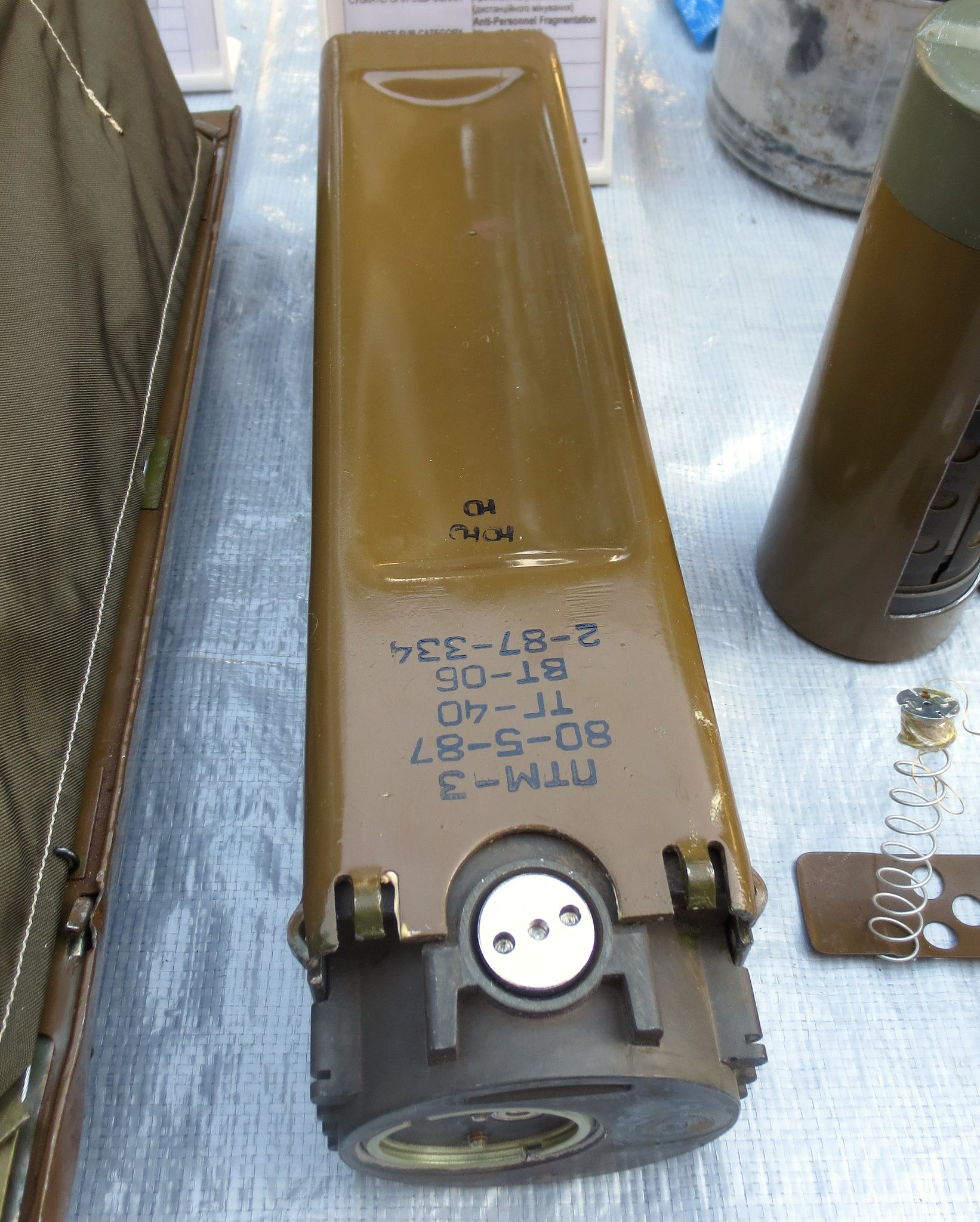 Photo credit: Serhii “Flash” Beskrestnov
“Every day, mines are being dropped by some Shaheds. Eight from one Shahed. The mines are placed in round containers under the wings,” he said.
Beskrestnov said the drones are already dropping mines, but did not specify how long this practice has been in use or how new the technology is.
He also posted a video, adding that the Shahed shown in the footage dropped mines 50 kilometers from the Russian border.
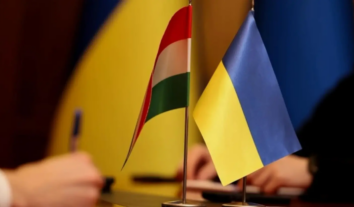
The European Union has failed to adopt its 20th sanctions package against Russia due to opposition from Moscow’s allies, Slovakia and Hungary.
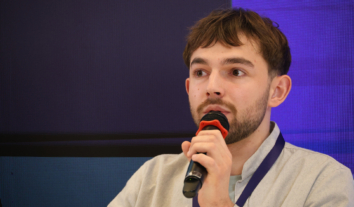
Ukraine’s Foreign Ministry spokesperson Heorhii Tykhyi said in an interview with Olha Aivazovska’s program Power of Choice that a strategic shift in international support for Ukraine took place over the past year.
According to him, after a reduction in U.S. military aid, the European Union stepped in to fill the gap, effectively compensating for the shortfall, as reflected in available data. He expressed gratitude to European partners for their support, adding that Ukraine would remember it.
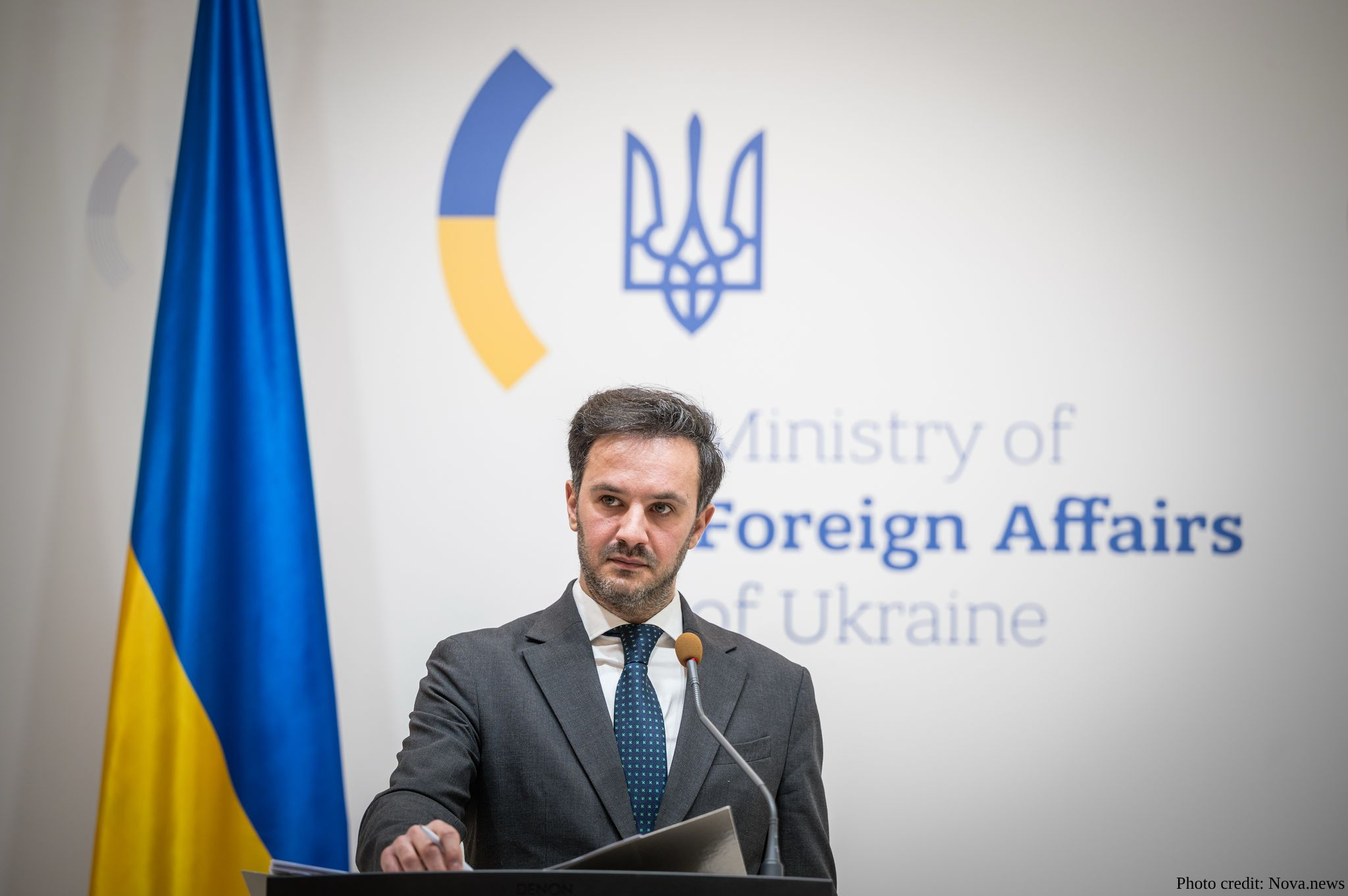 Heorhii Tykhyi
Tykhyi also stressed that no single country should be able to block decisions of the entire European Union.
He said sanctions against Russia are not only a tool to support Ukraine but also a matter of security for European countries themselves. He noted that the pace of development of Russia’s defense-industrial complex exceeds that of the Soviet Union during the Cold War and questioned whether the growing production of missiles and drones is aimed solely at Ukraine.
“Does anyone really believe that the missiles and drones Russia is producing are intended only for Ukraine?” he asked.
He added that sanctions and restrictions imposed by the EU and its partners are ultimately aimed at protecting their own security, arguing that the tougher such measures are now, the lower the risk that these weapons will be used against their own populations in the future.
Tykhyi also stressed there is significant room to strengthen efforts against Russia’s so-called shadow fleet, including not only detaining vessels but also confiscating them.
He further called for a shift from sanctions packages to more durable legislative measures, arguing that governments can adopt legal acts that become part of national or European law and do not require periodic renewal.