Court in Moscow confiscates 123 real estate assets belonging to Jehovah’s Witnesses
A Moscow court has confiscated more than 123 properties belonging to Jehovah’s Witnesses and transferred them to the Russian state on 31 July 2026, BBC World Service and Reuters reported.
The seized assets include 63 residential and commercial properties, with a total area of over 11,000 square metres, and 60 plots of land, with a total area of 5.6 hectares, situated across the country and owned by the Swedish branch of the religious movement.
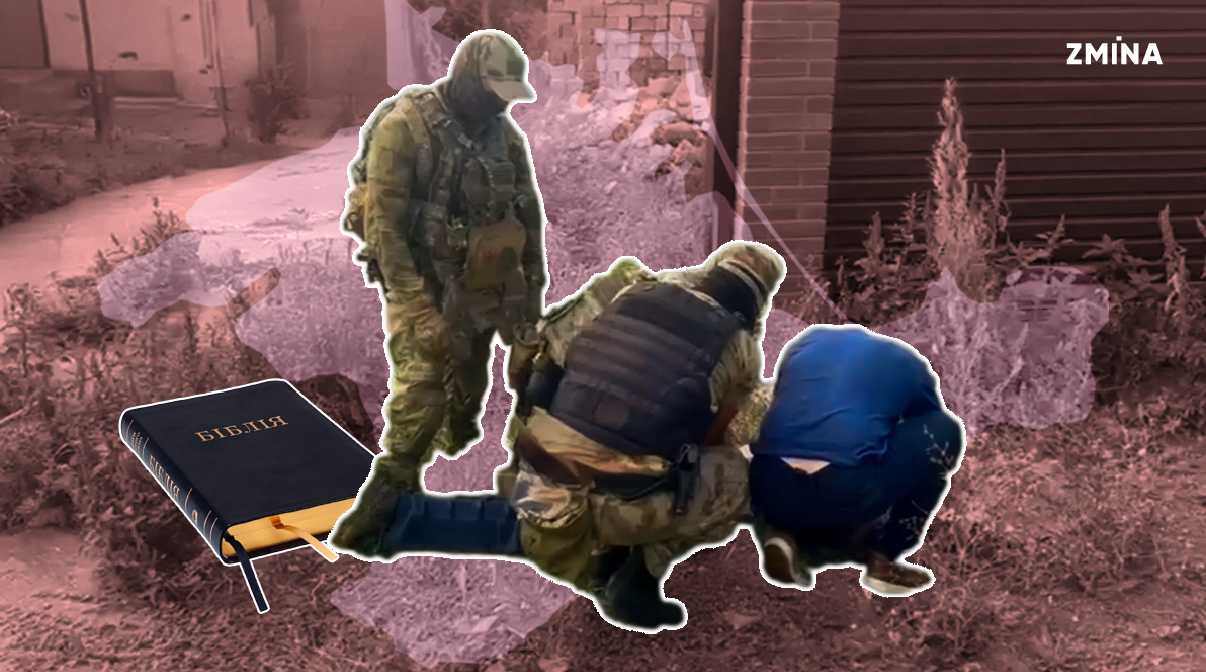
Previously, ZMINA reported that Russian-installed authorities in occupied Crimea have opened a criminal case against Volodymyr Chertov, a 53-year-old resident of the village of Zaprudne, accused of financing Jehovah’s Witnesses. The man was detained last August after occupying authorities conducted 11 searches targeting Jehovah’s Witnesses on the peninsula.
In 2017, Russia’s Supreme Court recognised Jehovah’s Witnesses as an extremist organisation and banned its activities across the Russian Federation. Jehovah’s Witnesses operate legally in all territories of Ukraine, including the Autonomous Republic of Crimea. Russia, in violation of the Geneva Convention, applies its own criminal legislation to the temporarily occupied territories of Ukraine.
You may also want to read: 11 years of oppression and repression: how human rights in occupied Crimea are approaching zero
Follow ZMINA on X, BlueSky, and LinkedIn for daily human rights coverage from Ukraine – we invite you to share your feedback on what you’d like to see more of in our survey here.