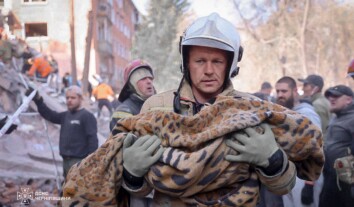
Russian aerial bomb strike on Zaporizhzhia apartment block kills 11 civilians
Russians killed at least 11 civilians, including three children, in a strike with guided aerial bombs on a five-storey apartment block in Zaporizhzhia on the morning of 10 October 2026, according to the Zaporizhzhia Oblast Military Administration, Ivan Fedorov, co-chair of the Zaporizhzhia Oblast Defence Council.
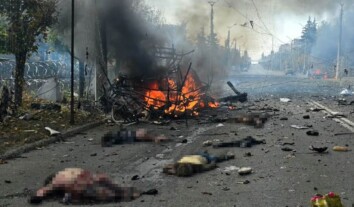
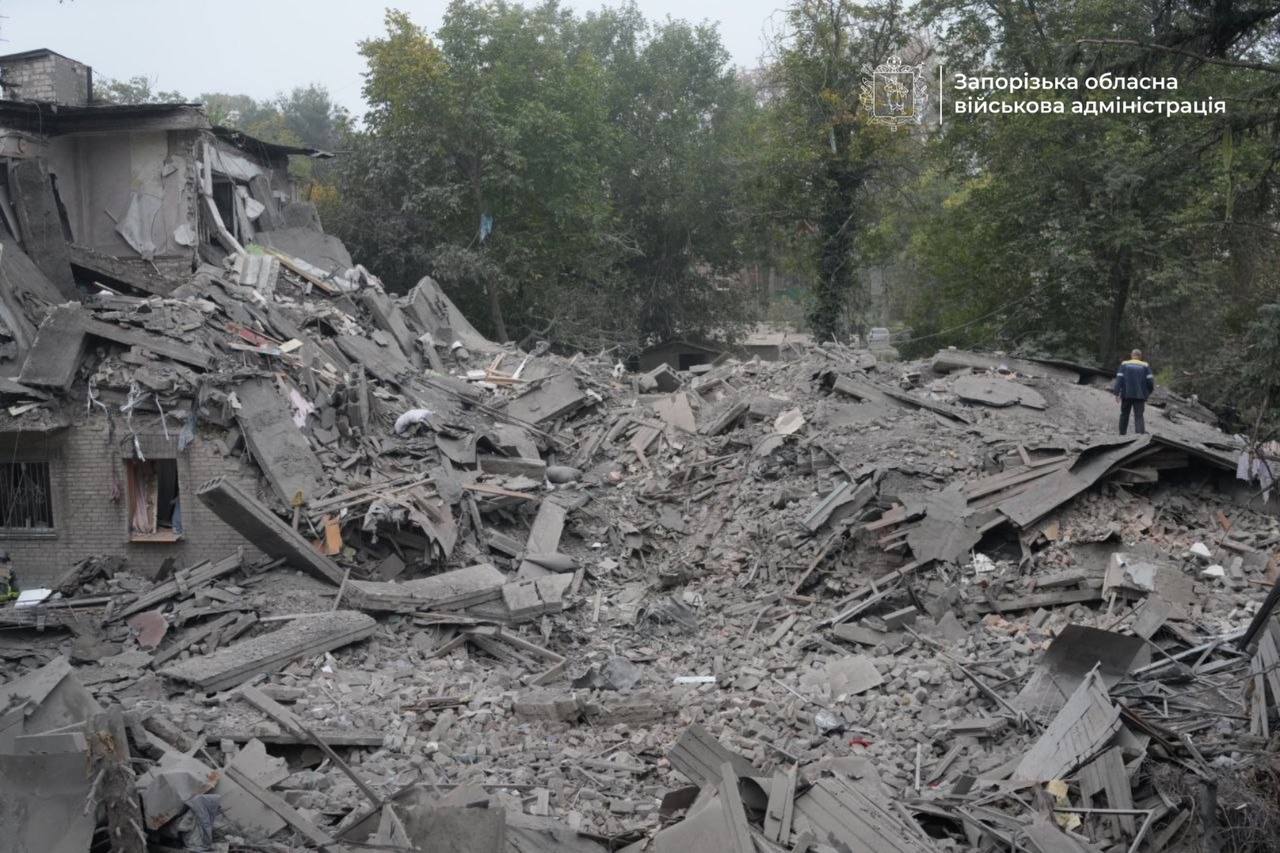 Aftermath of the Russian strike on Zaporizhzhia on the morning of 10 October
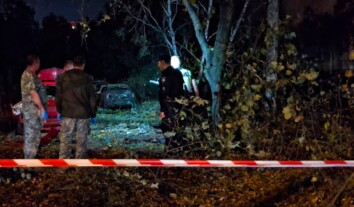
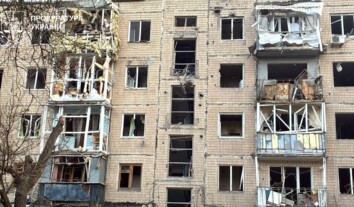
Russian aerial bombs destroyed entrances in two apartment blocks, a private house and a garage. The blast wave and debris also damaged nearby houses and cars.
Fedorov had earlier reported that at least two injured civilians were in serious condition.
At that point, the fate of another 12 people remained unknown.
Search operations for people trapped under the rubble of destroyed buildings are continuing.
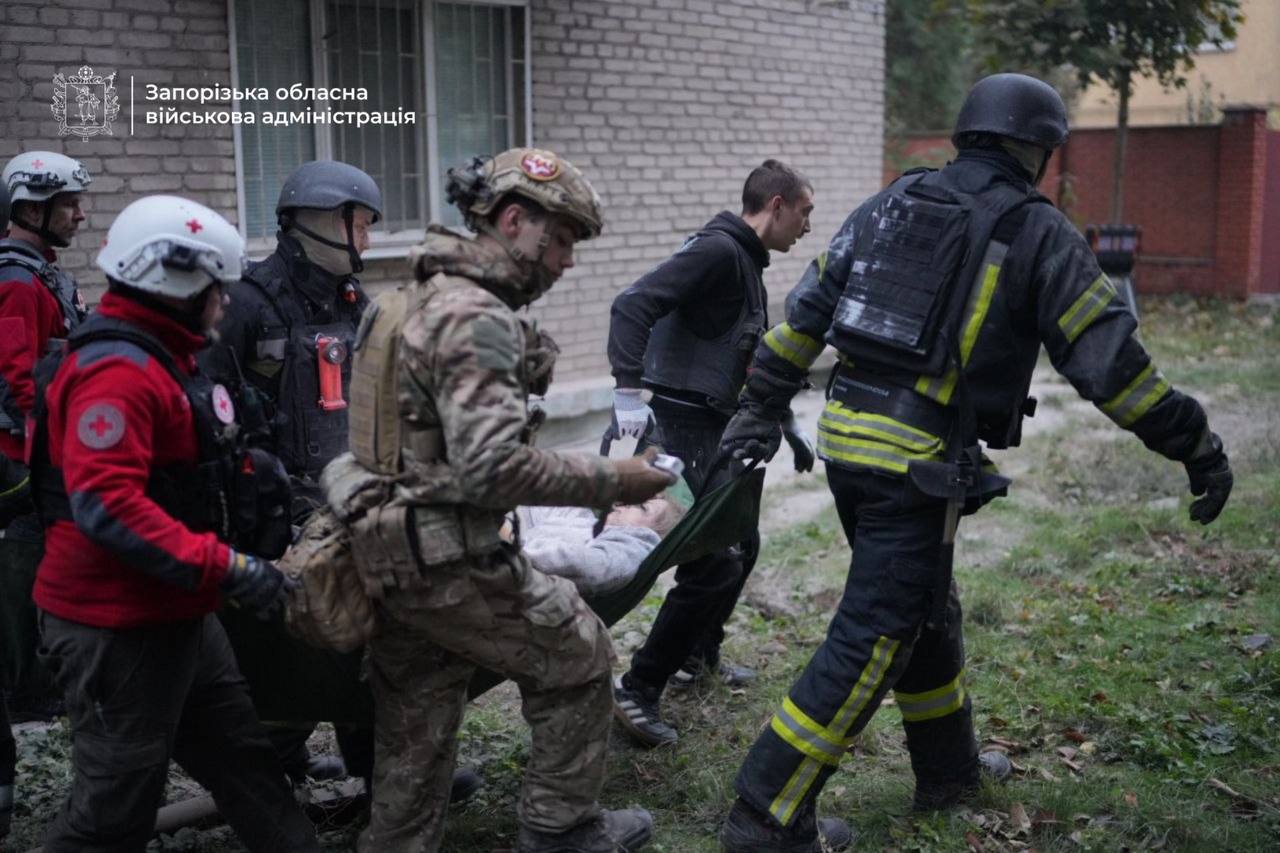 Aftermath of the Russian strike on Zaporizhzhia on the morning of 10 October
A pre-trial investigation has been launched into a war crime resulting in casualties under Part 2 of Article 438 of the Criminal Code of Ukraine. Investigators from the Security Service of Ukraine in the Zaporizhzhia Oblast are conducting the inquiry.
Russian forces struck Zaporizhzhia with guided aerial bombs on the morning of 9 October. Mykhailo Semikin, head of the Zaporizhzhia Oblast Military Administration, said there were six strikes on residential areas, including one near an extracurricular educational facility. A 50-year-old man was killed, and facades, windows and cars were damaged. The prosecutor’s office said nine people were injured, including a child.
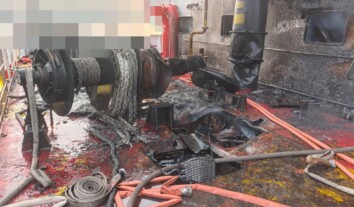
 Aftermath of the Russian strike on Zaporizhzhia on the morning of 9 October
To provide background, US president Donald Trump has not secured an end to Russia’s war within 24 hours of taking office, as he had promised. Furthermore, numerous Ukrainian and international experts point out that the U.S., as a guarantor state under the Budapest Memorandum, is pressuring Kyiv into capitulation.
US President Donald Trump said he has reached an agreement with Kremlin leader Vladimir Putin to supply Russian diesel fuel to the United States and global markets. Trump agreed with Putin to immediately supply more than 300,000 tons of diesel, another 500,000 in November, and a further 1 million tons thereafter. Trump added that a further 3 million will be delivered within a short period of time based on the condition of Russian diesel refineries.
In a related move, the US Treasury Department announced a partial lifting of sanctions on Russian diesel through April 2027.
Ukrainian President Volodymyr Zelenskyy condemned this move and stated that the agreement would provide additional funding for the war and lead to more suffering for Ukrainians. He added that Donald Trump made a weak decision by lifting some sanctions on Russia. The Ukrainian president said the move was dishonest and unworthy of Ukraine’s partners.
Meanwhile, Axios reported, citing a Ukrainian official, that during negotiations with the Ukrainian team, Trump’s envoys Steve Witkoff and Jared Kushner threatened to stop providing intelligence to Ukraine over strikes on Russian oil refineries.
Human rights organisations and Ukrainian authorities emphasise that structural economic pressure remains a key tool to halt such atrocities. They urge every nation and individual government worldwide to strictly enforce global sanctions, close existing regulatory loopholes, and completely sever remaining commercial and technological ties with the Russian Federation. Civil society groups stress that any continued cooperation by foreign businesses directly contributes to the resources Moscow uses to sustain its ongoing war crimes and crimes against humanity in Ukraine.
Keep up with ZMINA on X, Bluesky and LinkedIn – and help us improve by answering a few quick questions here about our English-language coverage.