About 6,500 priests exempt from mobilization in Ukraine
More than 10,000 religious organisations in Ukraine have been classified as critical infrastructure. Through the government’s exemption mechanism, around 6,500 clergy members have received deferments from military mobilisation, Viktor Yelenskyi, head of the State Service for Ethnopolitics and Freedom of Conscience, announced this during the presentation of the survey “Assessment of the Religious Situation in Ukraine” at the Ukrinform news agency.
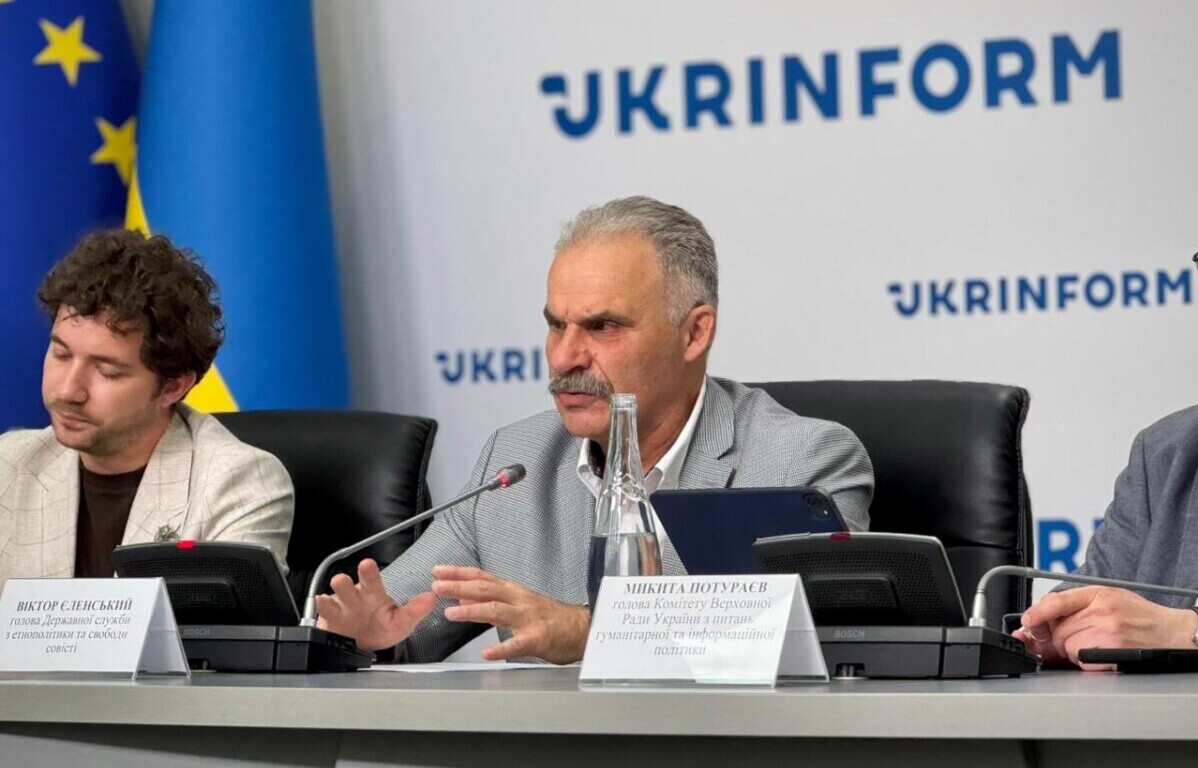 Viktor Yelenskyi/ Photo credit: State Service for Ethnopolitics and Freedom of Conscience
Churches and religious organisations carry out immense humanitarian and social work, strengthening the home front and supporting the front lines, so they can be designated as critical infrastructure if they meet a series of requirements, Yelenskyi said.
These requirements include having a registered charter, being listed in the registry of non-profit organisations, maintaining proper tax reporting, operating in government-controlled territory and having no ties to the Russian Orthodox Church, which is a banned religious organisation in Ukraine.
“Of the approximately 35,000 religious organisations operating in Ukraine, just over 10,000 are currently classified as critical infrastructure,” the head of the State Service for Ethnopolitics and Freedom of Conscience reported.
The leaders of such religious organisations, provided they are clergy members (rather than “wardens”), can receive draft deferments through the exemption mechanism. Clergy belonging to these religious organisations are also eligible for exemption. Currently, 6,500 priests from various religious organisations hold exemptions, Yelenskyi noted. This number does not include clergy from the UOC (in unity with the Moscow Patriarchate), as this religious organisation is not classified as critical infrastructure.
“Research conducted by the Razumkov Centre showed that about 25% of respondents believe priests should serve in the military on equal terms with everyone else, while 44% believe there should be exceptions for clergy. If they do serve, it should be as noncombatants,” the official added.
The head of the State Service for Ethnopolitics and Freedom of Conscience noted that in a number of churches (including Orthodox and Catholic ones), a priest is forbidden to take up arms. In the event of an unintentional killing, they can be defrocked.
“Hundreds of Ukrainian priests serve as chaplains in the Armed Forces of Ukraine,” Yelenskyi added. “A significant number of clergy also care for Ukrainian refugees, many doing so in their free time away from their parish duties. In some communities, particularly in frontline and grey zones, the religious congregation effectively remains the centre around which people gather, and public life is organised.”
ZMINA previously reported that more than 1,000 criminal cases have been opened against Jehovah’s Witnesses in Ukraine for refusing the military draft.
A 2025 report by the European Bureau for Conscientious Objection states that more than 100 believers who refuse military service due to their religious convictions have been imprisoned in Ukraine. Thousands of such individuals are being forcibly held in military units. Proposed legislation regarding the right to conscientious objection during wartime has not yet been adopted. The bureau is calling for the immediate release of imprisoned believers in Ukraine.
Keep up with ZMINA on X, BlueSky, and LinkedIn – and help us improve by answering a few quick questions here about our English-language coverage.