Ukrainian civilian Lina Smirnova, abducted by FSB and charged with “espionage,” is denied medical care in occupied Luhansk Oblast
After two months without any information about her whereabouts, the family of Lina Smirnova – a resident of the Luhansk Region (Oblast) abducted by Russia’s FSB – learned that she was being held in a pre-trial detention centre. She had been held incommunicado in a basement; the occupation authorities later accused her of “espionage.” Her case is now being heard by an illegitimate “court,” and Smirnova has been transferred to another pre-trial detention centre, her friend Kateryna (name changed for safety reasons) told the news outlet ZMINA.
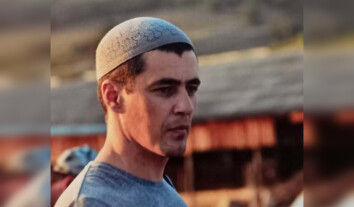
 Photo from Russian-controlled information resources
In July 2023, officers of Russia’s FSB abducted Smirnova from her home. After her disappearance, her whereabouts remained unknown for two months. Her relatives then decided to hire a lawyer to find her. He eventually learned that she was being held in a pre-trial detention centre in the temporarily occupied city of Luhansk, where he was allowed to meet with her only once.
In late May 2024, the Russian occupying authorities published a video featuring Lina Smirnova, in which she said she had allegedly shared information with relatives about the “situation in the city” and the location of occupying forces.
“In the video, it was clear she had lost weight. Over time, her health deteriorated, but she has been denied medical care. We have contacted every authority we could think of, but so far it has all been in vain“, Kateryna said.
Before the video was released, the woman had been held in the basement of a detention facility in Luhansk, and only after her “confession” did her conditions improve slightly.
“In the basement, people are held in solitary cells infested with rats,” her friend recalled.
After that, her relatives were able to write to her once or twice a month and send clothing, food, and medicine.
“She now writes letters through “Zonatelecom.” Of course, because of censorship, she cannot write anything openly, so she usually says she is fine and asks how everyone is doing“, Kateryna said.
You may also want to read: From “soft power” to torture chambers: patterns of Russia’s seizure of new states based on Ukraine’s experience
Later, her relatives changed the lawyer, as the previous one had been denied access to her.
The occupying authorities then opened criminal proceedings against Lina Smirnova under Article 276 (“Espionage”) of the Criminal Code of the Russian Federation. Her case is currently being heard in a “court”, and she has been transferred to Starobilsk Pre-trial Detention Centre No. 2.
“The administration of the Luhansk Pre-trial Detention Centre does not want to acknowledge that she was held there before the video was released. In other words, they are trying to conceal the period of her unlawful detention”, the woman added.
Ukrainian law does not recognize occupation structures illegally established in the temporarily occupied territories, including the so-called “courts”, and therefore does not recognize any documents issued by them. This position was set out in April 2014 in the Law “On Ensuring the Rights and Freedoms of Citizens and the Legal Regime in the Temporarily Occupied Territory of Ukraine.”
The Human Rights Centre ZMINA, along with Ukrainian and international partners, documents enforced disappearances, detentions, and abductions of civilians in the temporarily occupied territories. If your relatives have gone missing or you fear they may have been abducted, please contact us at ys@zmina.ua. Our representative will get in touch with you.
The information provided, subject to the applicant’s consent, will be used in submissions to national and international investigative bodies, as well as to international organisations for inclusion in periodic reports, including the UN Committee against Torture, the Independent International Commission of Inquiry on Ukraine, the UN Human Rights Monitoring Mission in Ukraine, the International Criminal Court, and others, to support the documentation and investigation of war crimes committed in Ukraine and help bring those responsible to justice.
Stay connected with us via X, BlueSky, and LinkedIn – and while you’re here, please spare five minutes to fill out our survey and tell us what you’d like to see next.