Ukrainian anti-corruption agencies face searches, surveillance and political pressure, shadow report for the European Commission says
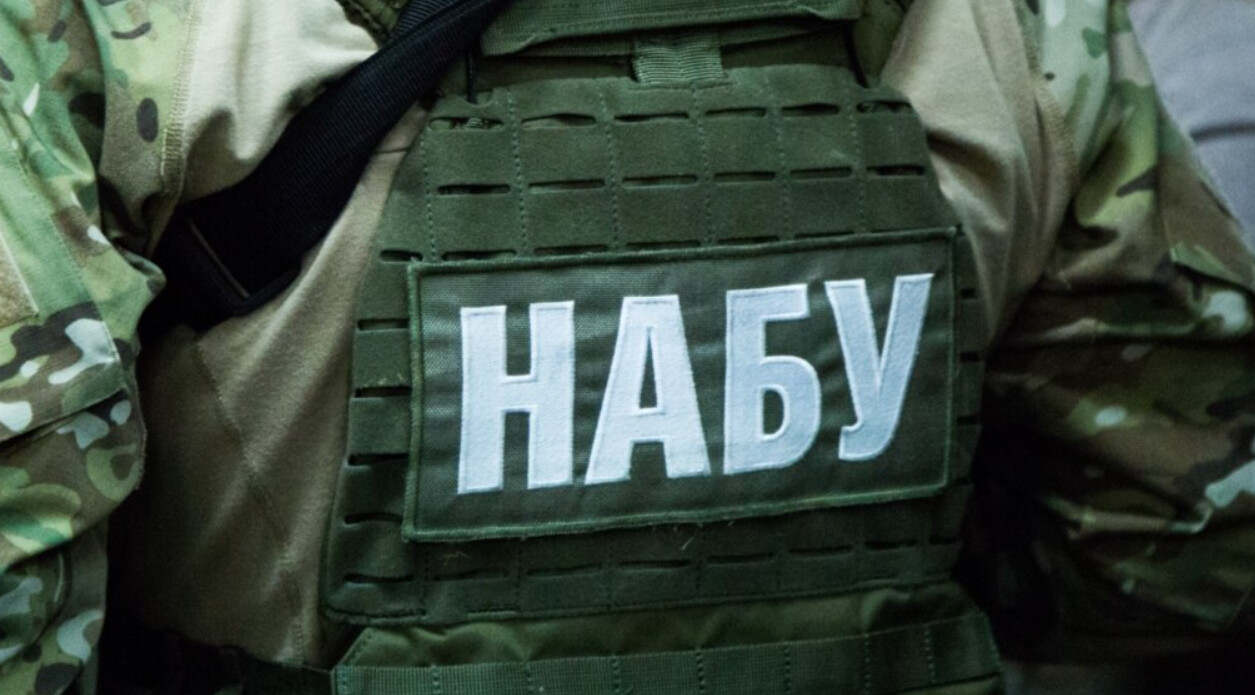
Pressure on anti-corruption bodies in Ukraine continues despite the growing effectiveness of their work, a shadow report for the European Commission prepared by a coalition of Ukrainian civil society organisations stated. Among the main problems, experts cite searches and detentions of detectives from the National Anti-Corruption Bureau of Ukraine (NABU), covert surveillance of bureau staff, attempts to influence recruitment competitions and insufficient legislative guarantees of the independence of anti-corruption institutions. The sections in the report on combating corruption and organised crime were prepared by experts from Transparency International Ukraine (TI Ukraine).
The report covers the period from September 2025 to August 2026. The experts analysed Ukraine’s implementation of reforms on its path towards the European Union, particularly in justice, anti-corruption, human rights protection and the functioning of state institutions. According to TI Ukraine’s conclusions, progress during this period was mostly piecemeal, and most systemic legislative changes envisaged by the Roadmap on the Rule of Law have still not been implemented.
At the same time, the effectiveness of the High Anti-Corruption Court (HACC) increased. In 2025, it heard 114 cases compared with 88 a year earlier, and the number of verdicts increased from 77 to 109. In the first half of 2026, the court delivered verdicts in a further 65 proceedings.
The amount of special confiscation also rose, from 158.8 million hryvnias in 2024 to more than 673 million in 2025. However, the lack of proper accounting makes it impossible to determine how much of these funds actually reached the state budget.
Meanwhile, the average duration of case proceedings at the HACC increased from 405 days in 2025 to 689 days in the first half of 2026. The number of pending proceedings also grew. In addition, the court increasingly delivers verdicts based on plea agreements, the terms of some of which, according to experts, are not transparent enough.
The authors of the report paid particular attention to pressure on anti-corruption bodies and threats to their independence.
In particular, law enforcement officers conducted searches and detained NABU detectives during the reporting period. Hidden surveillance devices targeting heads of the bureau’s units were also discovered. In addition, civil society organisations described the activities of a temporary investigative commission of Ukraine’s parliament, the Verkhovna Rada, as an instrument of pressure.
The experts also drew attention to risks of political interference in selection processes for leadership posts at anti-corruption agencies. In their view, the participation of independent international experts with a casting vote remains an important guarantee of fair selection.
At the same time, the Ukrainian parliament has still not passed amendments intended to bolster the independence of the Specialized Anti-Corruption Prosecutor’s Office (SAPO). In particular, these concern the right of its head to initiate criminal proceedings and authorise investigative actions regarding members of parliament, as well as expanding powers in international co-operation.
NABU still depends on the Security Service of Ukraine (SBU) for intercepting communications from electronic communications networks. In addition, the bureau’s investigative jurisdiction does not cover all senior officials, notably the leadership of the President’s Office.
The experts also noted problems with the independence of the National Agency on Corruption Prevention (NACP).
In particular, the state has not conducted a mandatory external evaluation of the agency’s performance for more than four years because of delays in updating the audit criteria and methodology.
In 2025, the NACP completed 970 full verifications of asset declarations and identified violations in 56% of them, including inaccurate information amounting to 3.8 billion hryvnias. However, available reporting does not show what happened to these materials after they were referred to law enforcement agencies.
The protection of corruption whistleblowers also remains inadequate. Ukrainian legislation still does not fully align with the relevant EU directive, and there is no standalone law protecting people who report violations of public interest.
Between September 2025 and July 2026, more than 7,100 reports were submitted via the Unified Whistleblower Reporting Portal, but only 85 people received whistleblower status. In 2025, eight cases reached court.
The experts also stressed the need to introduce legislation against strategic lawsuits against public participation (SLAPPs), which can be used to exert pressure on journalists, activists and civil society organisations.
As an example, they cited a court injunction in July 2026 against publishing an investigation by Slidstvo.Info and the Anti-Corruption Action Center into property owned by the brother of the director of the State Bureau of Investigation (SBI).
Other outstanding tasks include improving mechanisms for the confiscation of illicit assets, countering abuses of procedural rights and reviewing the so-called Lozovyi amendments, a package of changes to Ukraine’s Criminal Procedure Code adopted in 2017, which allow courts to close certain criminal proceedings after pre-trial investigation deadlines expire.
In total, TI Ukraine prepared 141 recommendations to improve the anti-corruption system. Experts emphasised that Ukraine must not only pass new laws, but also ensure their enforcement and the independence of anti-corruption institutions.
ZMINA previously analysed 29 cases of harassment and pressure targeting anti-corruption figures between July 2025 and May 2026. The researchers found that law enforcement officers carried out searches, seized equipment, used physical coercion and resorted to other measures that may have violated the rights of NABU employees, civic activists and their relatives.
According to the organisation’s conclusions, the recurrence of such practices, their concentration in time and their timing alongside political decisions regarding anti-corruption bodies point to signs of systemic pressure that is potentially politically motivated.
At the same time, the September draft of the European Commission’s annual report on Ukraine also expressed concern over attempts to influence the independence of NABU and the SAPO. Among the problems highlighted in the document were criminal proceedings against anti-corruption officials, surveillance and campaigns to discredit.
Civil society organisations have prepared the shadow report for the third consecutive year. This year, the Agency for Legislative Initiatives, Transparency International Ukraine, Human Rights Centre ZMINA, Tomorrow’s Lawyer, Europe Without Barriers, the Ukrainian Bar Association, the Civil Network OPORA and the Centre for Democracy and Rule of Law contributed to its drafting.
For the first time, experts also conducted a comprehensive assessment of the functioning of democratic institutions – another component of the Fundamentals of the EU Accession Process negotiating cluster.
The shadow report is an independent assessment by civil society organisations intended to help the European Commission gain a broader picture of Ukraine’s progress in implementing reforms required for EU accession.
Need a human-rights perspective on Ukraine’s latest legal developments? Connect with ZMINA on X, Bluesky and LinkedIn for regular policy updates – and let us know what you want to read next in our survey here.