Russian strikes kill eight civilians in Ukraine on 23 August
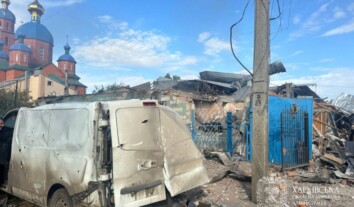
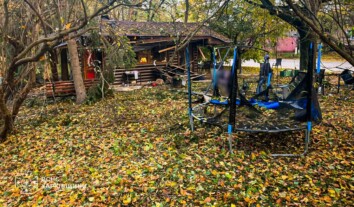
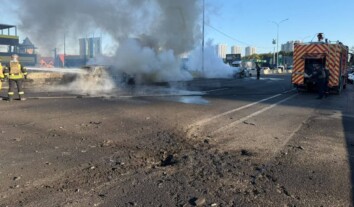
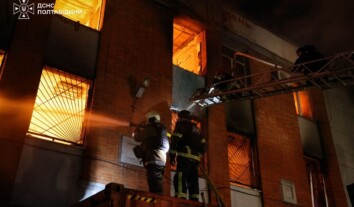
Russian strikes on 23 August 2026 killed eight civilians in the Kharkiv, Donetsk and Sumy Regions (Oblasts) and wounded 48 others across the Dnipropetrovsk, Kherson, Chernihiv, and Zaporizhzhia Oblasts, Ukraine’s National Police reported.
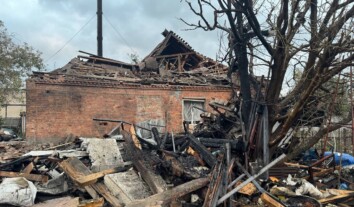
 A house in the Zaporizhzhia Oblast that came under Russian fire
The fatalities from the previous day’s Russian strikes included:
- five people in the Kharkiv Oblast;
- two people in the Donetsk Oblast;
- a woman in the Sumy Oblast.
In the Kharkiv Oblast on 23 August, 14 adults and a teenager were wounded by Russian strikes, while the Sumy Oblast reported 12 wounded.
Seven civilians were wounded in Russian attacks in both the Donetsk and Kherson Oblasts. Russian strikes wounded three civilians each in the Zaporizhzhia and Dnipropetrovsk Oblasts, while another person was wounded in the Chernihiv Oblast.
This Monday, the 35th anniversary of independence from Moscow is celebrated in Ukraine.
A summit of the “coalition of the willing” convened in Kyiv on 24 August 2026. Key topics include Ukraine’s defence ahead of winter, budget financing, European integration and the secure operation of the maritime corridor.
President Volodymyr Zelenskyy emphasised that the country needs a winter package of Patriot missiles, urging partners to ensure a sufficient stockpile of air defence systems ahead of the cold season.
Discussions at the summit also focused on the wartime economy. Zelenskyy estimated that Russia is spending about 340 billion euros, compared to Ukraine’s approximately 140 billion euros, leaving a significant financial gap. Ukraine insists that the aggression must become increasingly costly for Russia. Frozen Russian assets should be used to rebuild Ukraine and recover from the attacks, rather than leaving Europeans to foot the entire bill.
Human rights organisations and Ukrainian authorities emphasise that structural economic pressure remains a key tool to halt such atrocities. They urge every nation and individual government worldwide to strictly enforce global sanctions, close existing regulatory loopholes, and completely sever remaining commercial and technological ties with the Russian Federation. Civil society groups stress that any continued cooperation by foreign businesses directly contributes to the resources Moscow uses to sustain its ongoing war crimes and crimes against humanity in Ukraine.
Meanwhile, the ongoing blockade of Ukrainian ports by Russia remains a top economic issue. If the blockade continues for several more months, global agricultural prices could rise by up to 30%, according to government estimates. This will have the greatest impact on countries dependent on food imports, where daily household expenses are already high. Zelenskyy reports of a complete blockade of the Black Sea. Despite regular strikes on port infrastructure, several ships enter and leave Greater Odesa daily, and the maritime corridor remains operational.
Stay connected with us via X, BlueSky, and LinkedIn – and while you’re here, please spare five minutes to fill out our survey and tell us what you’d like to see next.