Russian strikes kill 12 civilians, injure 49 in Donetsk and Kherson regions on 5 June
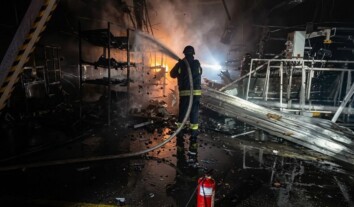
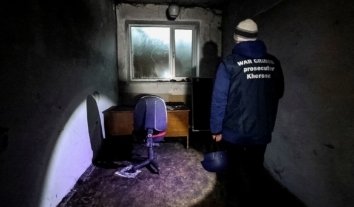
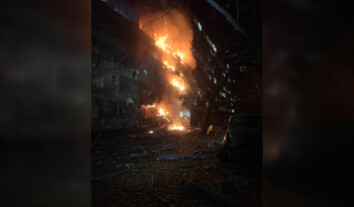
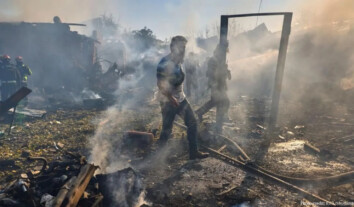
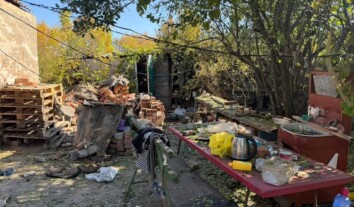
Russian strikes in the Donetsk and Kherson regions on 5 June 2026 killed 12 people and injured 49 others, according to the Donetsk and Kherson regional military administrations.
That day, Russian forces killed six residents of the Donetsk region: four in Mykolaivka, and one in each Dobropillia and Oleksiievo-Druzhkivka.
Another 19 people in the Oblast were injured on 5 June:
- seven in Maidan;
- four in each Mykolaivka and Druzhkivka;
- two in Kramatorsk;
- one in each Kostiantynivka and Kindrativka.
In the Kherson Oblast, Russians killed six Ukrainians and injured 27 others.
Three more people were injured on Saturday morning. Specifically, a 66-year-old woman suffered a concussion from a drone strike in the centre of Kherson.
Later, Russian forces attacked a car in the same area, injuring a 56-year-old man and woman.
ZMINA also reported that A Russian drone attack killed four people and injured nine others at a food production facility, “Yagotynske for Children” plant in Kyiv Oblast’s Brovary District on the morning of 5 June.
On 4 June, the Russian military killed nine civilians in the Zaporizhzhia, Dnipropetrovsk, Kherson, Chernihiv and Sumy regions and injured at least 75 others, including in the Kharkiv Oblast.
Ukrainian experts point out that countries, including China, the United States of America, North Korea, Hungary, Slovakia, Iran, and Brazil, assist Moscow in killing Ukrainians in its war against Ukraine by funding the Russian budget through trade.
You may also want to read: European, Japanese, and U.S. parts helped Russia build missiles that killed 24, including three children, in Kyiv – Zelenskyy