Overnight Russian strikes kill at least five in Zaporizhzhia and Donetsk; casualties and destruction in Dnipro and Odesa (updated)
Date:
20 March 2026
Add ZMINA as a source on Google
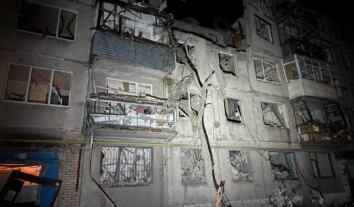
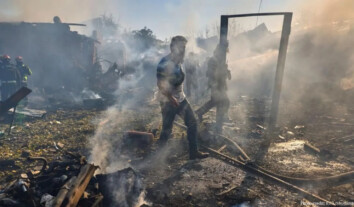
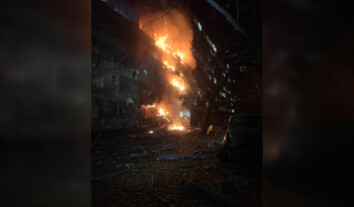
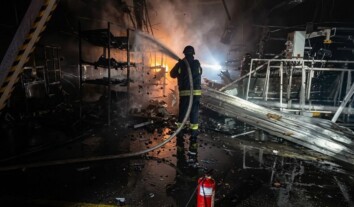
Overnight Russian military shelling on March 20, 2026, resulted in civilian deaths and injuries across the Donetsk, Zaporizhzhia, Odesa, and Dnipropetrovsk regions, according to the local Oblast Military Administrations and the State Emergency Service.
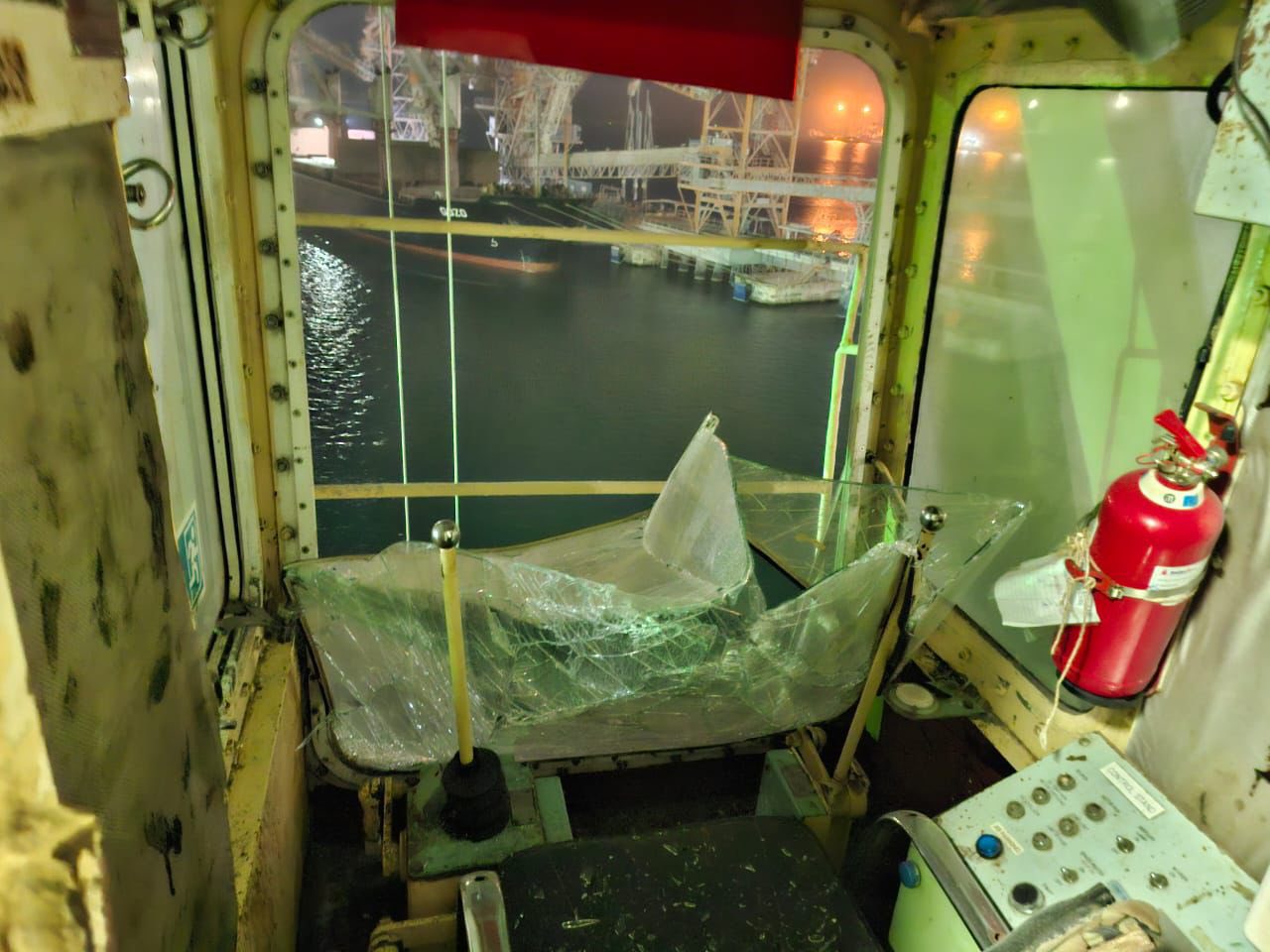 One of the vessels damaged by a Russian strike in the Odesa region. Photo: Oleksii Kuleba
On the morning of March 20, Russian forces in the Donetsk Oblast targeted an evacuation vehicle belonging to the “Prolyska” humanitarian mission. Mission members reported one person killed and several others injured.
Update: Later, Yevhen Kaplin, head of the “Prolyska” humanitarian mission, stated that another victim died in the hospital.
“One woman was killed instantly in the strike. Another woman was critically injured and passed away in the hospital. They were 83 and 63 years old, respectively. Two other evacuees remain wounded, and doctors are currently fighting for their lives,” he said.
“This war crime once again underscores the Russian army’s total disregard for international humanitarian law. In these conditions, the only measures truly capable of protecting evacuation crews and civilians are armored vehicles and electronic warfare (EW) systems. However, the use of such equipment is still not recommended for humanitarian operators as they are classified as dual-use or military-grade goods,” Kaplin stressed, and added that the attacked vehicle was clearly marked with a “Civilian Evacuation” sticker.
In the Zaporizhzhia Oblast, Russians claimed the lives of three people. Four were injured, including one child, following enemy attacks on Zaporizhzhia, as well as the Zaporizhzhia and Polohy Districts.
In the Dnipropetrovsk Oblast, Russian attacks struck the Nikopol and Synelnykove Districts, resulting in two injuries.
Meanwhile, the Odesa region reported significant destruction as Russian forces hit two commercial vessels sailing under the flags of Palau and Barbados, injuring two civilians.
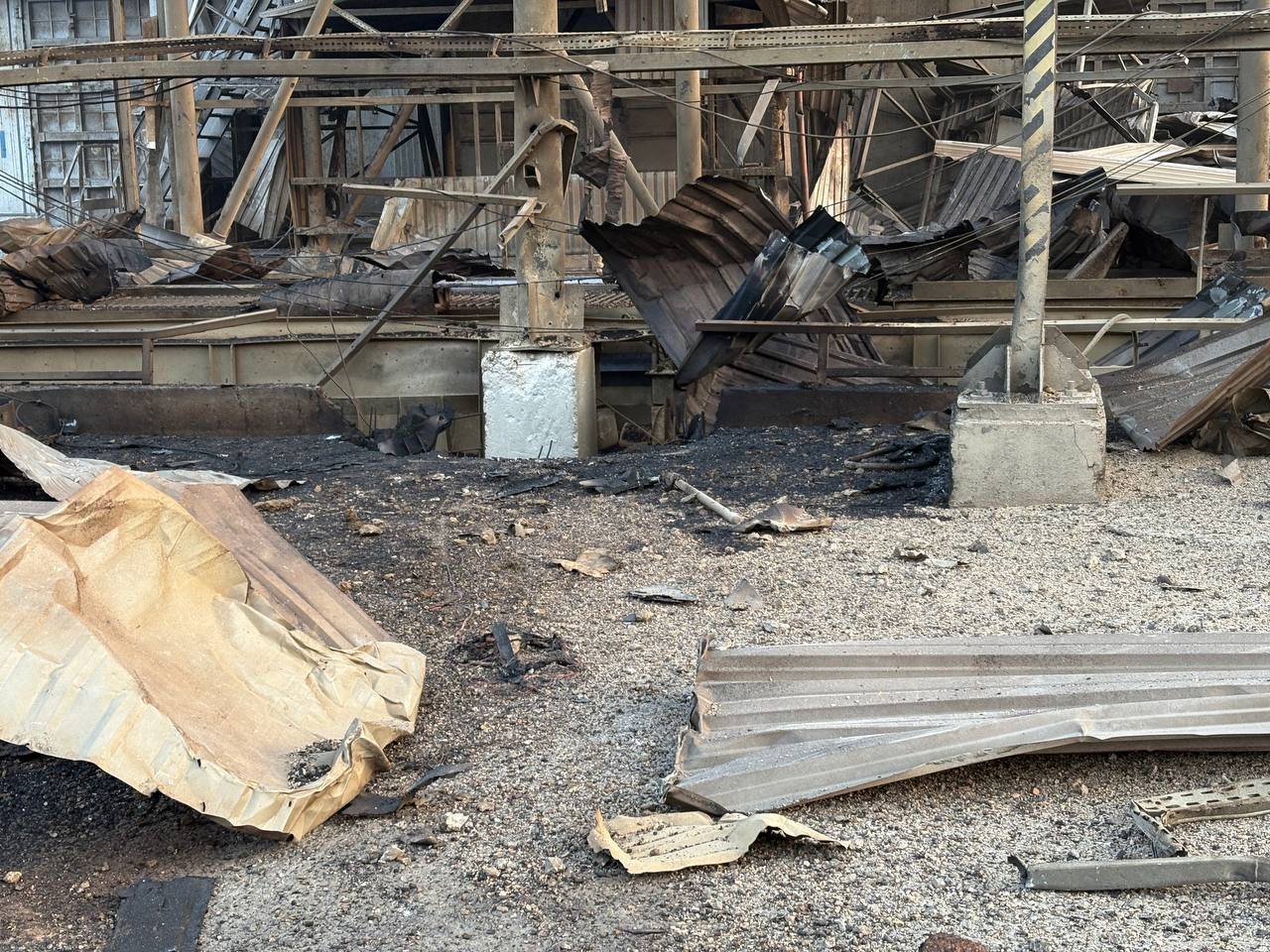 A Russian strike in the Odesa region. Photo: Oleksii Kuleba
It should be noted that both Odesa and Zaporizhzhia were also targeted by Russian strikes overnight, leading to additional civilian injuries.
Ukraine’s Air Force stated that Russians attacked Ukraine with 156 Shahed, Gerbera, Italmas, and other types of drones during and after the evening of March 19. The Ukrainian military shot down 133 drones, although some strikes were recorded. Hits by 19 drones have been recorded at 13 locations, and debris from downed aerial assets at seven locations.
The drones were launched from the Russian cities of Bryansk, Orel, Kursk, Shatalovo, Millerovo, and Primorsko-Akhtarsk, as well as from Hvardiiske and Cape Chauda in temporarily occupied Crimea. Around 90 of the drones were Shahed loitering munitions.
Ukrainian experts point out that countries including China, North Korea, Hungary, Slovakia, Iran, and Brazil assist Moscow in killing Ukrainians in its war against Ukraine by funding the Russian budget through trade.
Earlier, Reuters reported that Indonesia is looking to purchase oil from Russia to meet its domestic supply needs. The country’s energy minister, Bahlil Lahadalia, said the move was considered after crude oil prices rose following the conflict in the Middle East and after the United States issued a 30-day waiver allowing countries to buy sanctioned Russian oil and petroleum products stranded at sea. Ukraine calls on countries not to trade with Russia, as its economy has the capabilities to kill Ukrainians in an unprovoked war.
Previously, the Ukrainian OSINT Varta team, in collaboration with the Lex Talionis project, published an interactive map containing data on more than 6,000 enterprises of the Russian military-industrial complex and their 1.2 million employees. The interactive map provides descriptions of activities and specific developments for each enterprise, along with a categorization system that allows filtering by type.
The Netherlands and key European powers are deliberately stalling the creation of a special tribunal to prosecute Russian leaders for the crime of aggression against Ukraine, despite repeated promises that it would be established by the end of 2025, European Pravda has found. The Hague has presented partners with an unrealistically high budget — including €70 million for a detention facility — while major European capitals use financial uncertainty as an excuse to leave the process in limbo.
Meanwhile, the Center for Strategic and International Studies found that in 2024, China increased sales of ammonium perchlorate — a key ingredient used to produce solid propellant for Iskander missiles. This assistance enabled Russia to triple its ballistic missile production, the report stated. Beijing’s support has bolstered Russia’s defense industrial base, enabling Russian forces to launch salvos of 13 to 18 Iskander-M ballistic missiles in 2026.
Overall imports from China have grown to represent one-third of Russia’s total imports, while Russian oil exports now account for 75% of all oil purchased by Beijing. Analysts specifically highlighted defense-related imports, which provided the Russian military-industrial complex with machine tools, components, and raw materials for weapons manufacturing.
Furthermore, Russia’s defense industry also received computer chips, machine tools, radars, and sensors from China, according to CSIS. These goods are part of a list of 50 items aiding weapons production, effectively compensating for Russia’s limited manufacturing capacity in its defense sector. Other areas of support include the supply of drone hulls, lithium batteries, and fiber-optic cables. CSIS reported that Russian imports from China rose from $190 billion in 2022 to $250 billion in 2024.
In 2024, then-U.S. Secretary of State Antony Blinken stated that 70% of heavy industrial equipment and 90% of all microelectronics are sourced from China, which then flows into Russia.
Furthermore, according to recent NATO intelligence data, 80% of all Russian drones consist of Chinese parts.
According to The Telegraph newspaper, Chinese firms supplied sanctioned Russian companies with at least £47 million ($57.4 million USD) worth of parts between 2023 and 2024. Almost a quarter of the value of these supplies went to firms that produce Shahed-type drones.
Moreover, the Foreign Intelligence Service of Ukraine stated that China is also providing intelligence to Russia. The Kremlin used this data to prepare missile strikes, particularly against objects belonging to foreign investors, though the specific targets were not clarified. China denies these accusations.
Following the imposition of Western sanctions, Beijing has become a key supplier of cars, clothing, raw materials, and other goods to Russia. In 2023, Russia-China trade turnover set a historic record, exceeding $240 billion, which is more than 60% higher than before Russia’s invasion of Ukraine, according to Chinese customs data.
Reuters also reported that China is buying oil and gas from Russia. The average daily volume of oil is more than two million barrels per day. During Vladimir Putin’s visit to Beijing, the countries signed a deal to supply 106 billion cubic meters of gas per year to China.
Reuters also reported that tens of thousands of cars are being exported from China to Russia under gray-market schemes that often circumvent Western and Asian government sanctions and automakers’ commitments to exit the Russian market, according to registration data reviewed by Reuters and interviews with five people involved in the trade.