Leaders of Ukraine, the UK, France and Germany outline five conditions for lasting peace
The leaders of the UK, France and Germany, and Ukrainian President Volodymyr Zelenskyy, in a joint statement following a meeting in London, emphasised the need for Europe’s participation in resolving the Russia-Ukraine war. They outlined five conditions for a just peace.
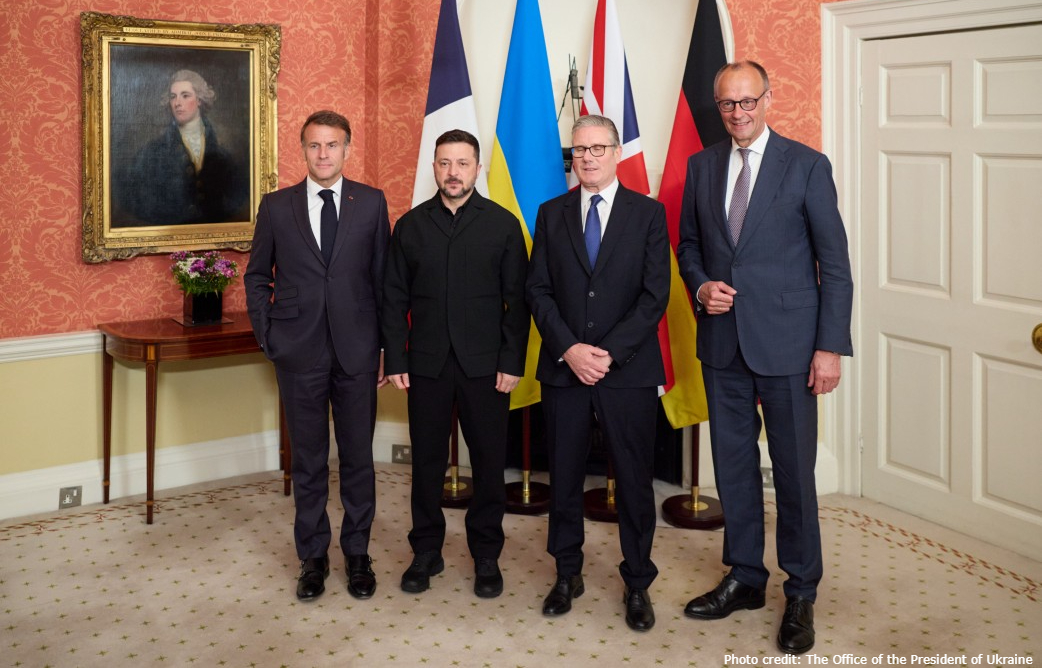
The parties “emphasised that Europe, as a steadfast ally of Ukraine, must play an important role in any settlement.”
” Leaders were clear that all efforts should be conducted in closest cooperation with Ukraine, wider European partners, and the U.S.,” the statement read.
The leaders also outlined five conditions that must be established for a just and lasting peace:
-
First, a stop to the fighting. They called on President Putin to agree to an immediate and complete ceasefire.
-
Second, the current line of contact should be the starting point for negotiations. International borders must not be changed by force, and Ukraine’s sovereign right to choose its own security arrangements and alliances must be fully respected.
-
Third, Ukraine must have robust and legally binding security guarantees in place once a ceasefire enters into force, building on commitments made in Berlin in December 2025 and Paris in January 2026. This includes the deployment of the Multinational Force – Ukraine.
-
Fourth, Russian assets will remain immobilised until Russia ceases its war of aggression and compensates Ukraine for the damage caused by the war.
-
Fifth, that European security interests must be safeguarded in any deal. Elements of any negotiation related to the EU and NATO would need the consent of the EU and its Member States and NATO Allies, respectively.
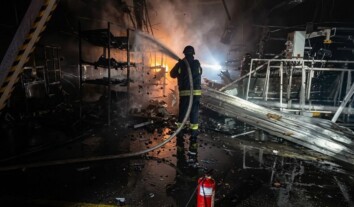
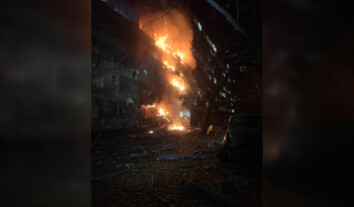
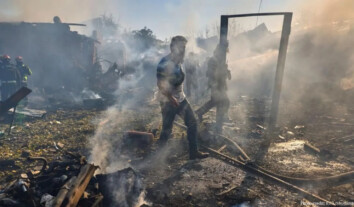
They also condemned Russia’s large-scale missile and drone attacks against Ukraine, including the repeated use of “Oreshnik” missiles, as well as the incursions of Russian drones into NATO territory.
Furthermore, the leaders discussed continued support for Ukraine and how NATO “can learn from Ukraine’s battlefield experience and how to strengthen long-term industrial cooperation with Ukraine to bolster Europe’s own defense.”
The meeting participants also praised Zelenskyy’s call to end the war through negotiations, which was outlined in his 4 June open letter to Putin.