Greece urges Russia to immediately return forcibly “transferred Ukrainian children”
Greece, along with other countries in the world, calls on the Russian Federation to cease any further practice of transfer and identity erasure of Ukrainian children and to immediately, safely, and unconditionally return Ukrainian children.
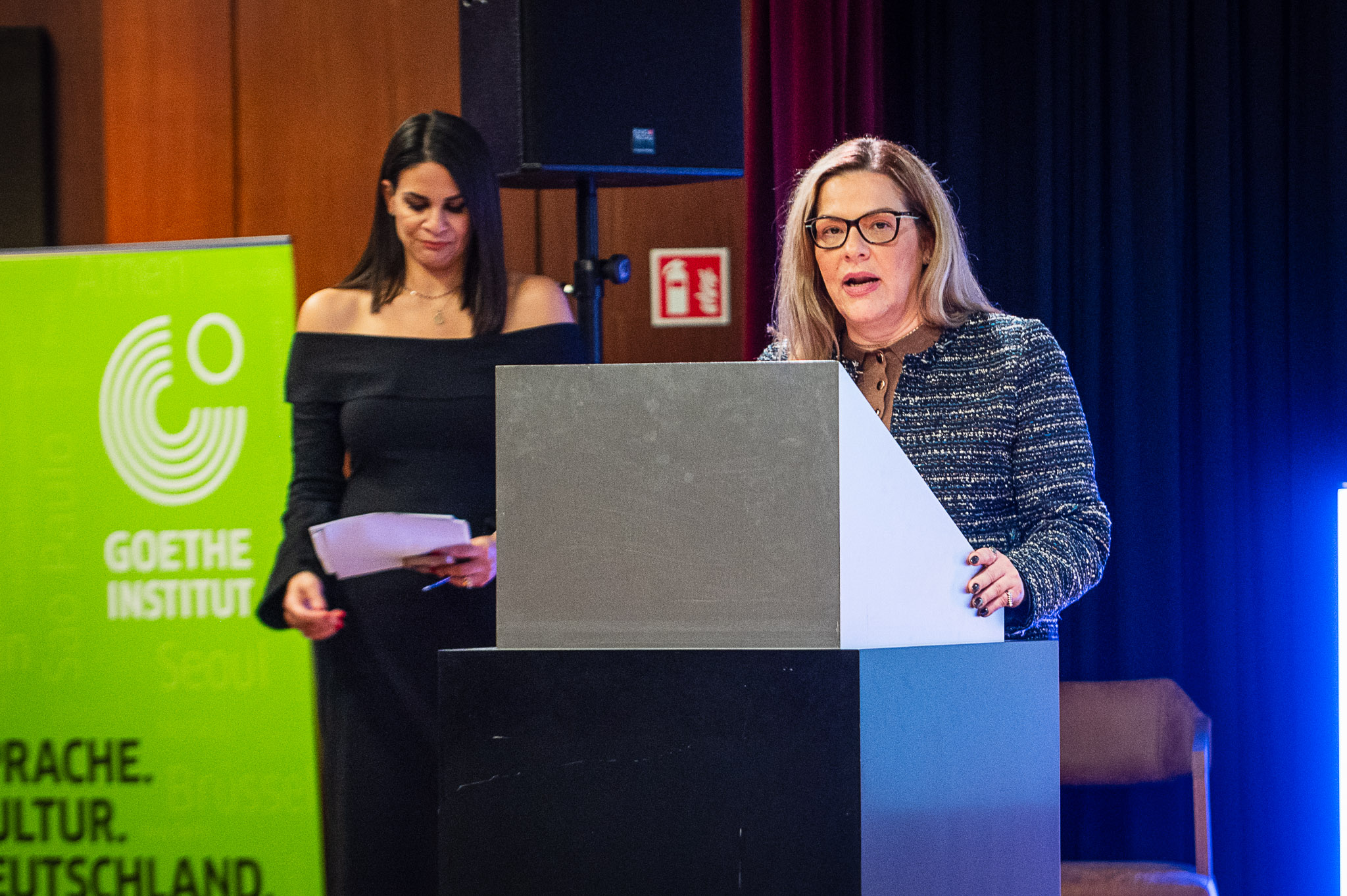 Eleni Triantafyllou
This call was reiterated by Eleni Triantafyllou, the representative of Greece’s Ministry of Foreign Affairs at the panel discussion titled “The War on Childhood: Forcible Transfer and Identity Erasure of Ukrainian Children by the Russian Federation”, organized by an independent researcher Olena Shevchyk on behalf of the Union of Ukrainian Women in Greece, in partnership with the Embassies of Canada and Ukraine and the Goethe-Institut in Athens.
She said that the “plight of forcibly transferred or deported Ukrainian children away from their homes, communities, and country raises profound humanitarian, legal, and ethical concerns, striking at the very foundations of international norms after the darkest pages of European history.”
In view of the completion of four years since the Russian invasion of Ukraine, Triantafyllou said that Greece is firmly in solidarity with the Ukrainian people and in unwavering support for a just, lasting, and comprehensive peace in Ukraine in line with the national law and the UN Charter.
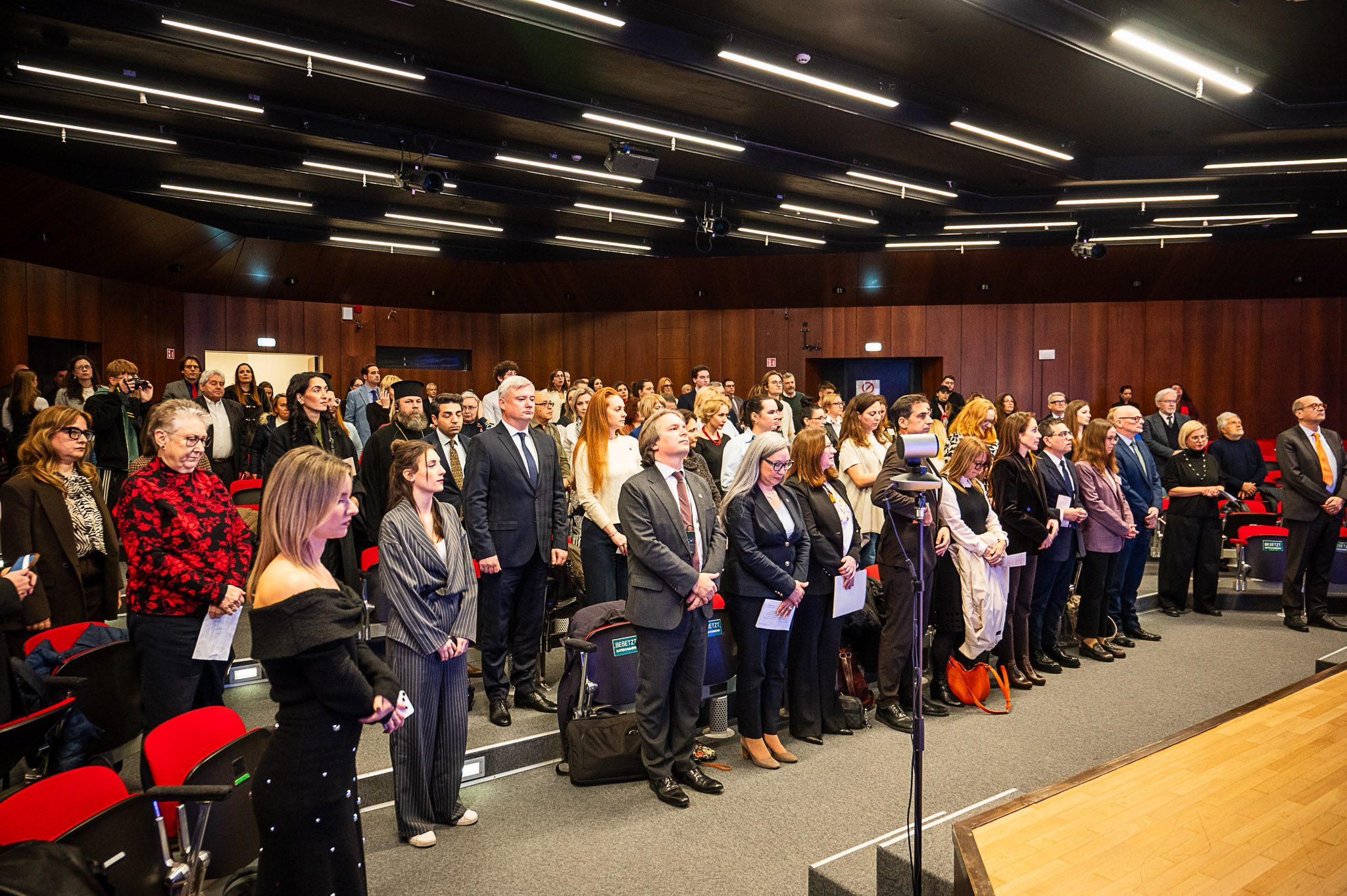
Earlier, Greece joined the International Coalition for the Return of Ukrainian Children, and Triantafyllou noted that the country has been a steadfast supporter of all initiatives for Ukraine, including the UN General Assembly’s resolution for the return of Ukrainian children, adopted in December 2025, and “will remain at the side of Ukraine until every child is safely returned.”
“Let us affirm that the protection of children is the responsibility that transcends alliances, ideologies, and borders, and that accountability must remain a central pillar of international response to reported cases of forced transfers of Ukrainian children. After all, such practices are unacceptable as they are not only a violation of the law, but a blatant assault on our humanity,” ZMINA correspondent cites Eleni Triantafyllou as saying.
Sonya J. Thissen, Canada’s ambassador to the Hellenic Republic, said that a core international priority for Canada is the human dimension of war, which is why Canada co-chairs, with Ukraine, the International Coalition for the Return of Ukrainian Children, focused on bringing children home and supporting their unification and rehabilitation.
“Russia’s war against Ukraine is not about territory, it’s about people. Thousands of Ukrainian children have been forcibly transferred and unlawfully deported, torn from their families, communities, and culture. There can be no meaningful and lasting peace while children remain separated from their families and communities. Children represent the most acute and urgent humanitarian cause requiring sustained international cooperation and coordination,” she commented.
The ambassador encouraged every country to consider how it could contribute to the return of children, “as returning children is not a political choice but a humanitarian responsibility”.
“By supporting Ukraine, we are building a more peaceful, democratic world and upholding our values. As Prime Minister Mark Carney has said, we must build what we believe in,” Sonya J. Thissen said.
Domna Michailidou, Minister of Social Cohesion and Family Affairs, expressed assurance that Europe must remain firmly anchored in the rule of law as it has always been.
“Firstly, the protection of children in armed conflicts is not optional nor a political choice. It is both our legal obligation and our moral principle. European governments have the responsibility to uphold, defend, and consistently reaffirm the international legal framework that safeguards children from unlawful transfer, deportation, and forced assimilation. Secondly, we must act collectively. The strength of the European response lies in coordination within the European Union and the Council of Europe, and in cooperation with international partners, including NGOs and other countries. When Europe speaks with one voice in defense of children’s rights, that voice carries real weight,” she underlined, adding that when all stakeholders align diplomatic, humanitarian, and legal efforts, the credibility of the international system itself is reinforced.
Michailidou stressed that the role of European governments is to ensure that even in times of war, the framework of international law does not erode.
“Europe was built on the promise that human dignity would never again be treated as collateral damage of conflict. Defending the rights of children today is part of defending this promise. Greece has started to engage constructively with Ukraine on measures to support the protection and well-being of the affected children,” she added.
You may also want to read: Family rescued from forced separation in temporarily occupied territory
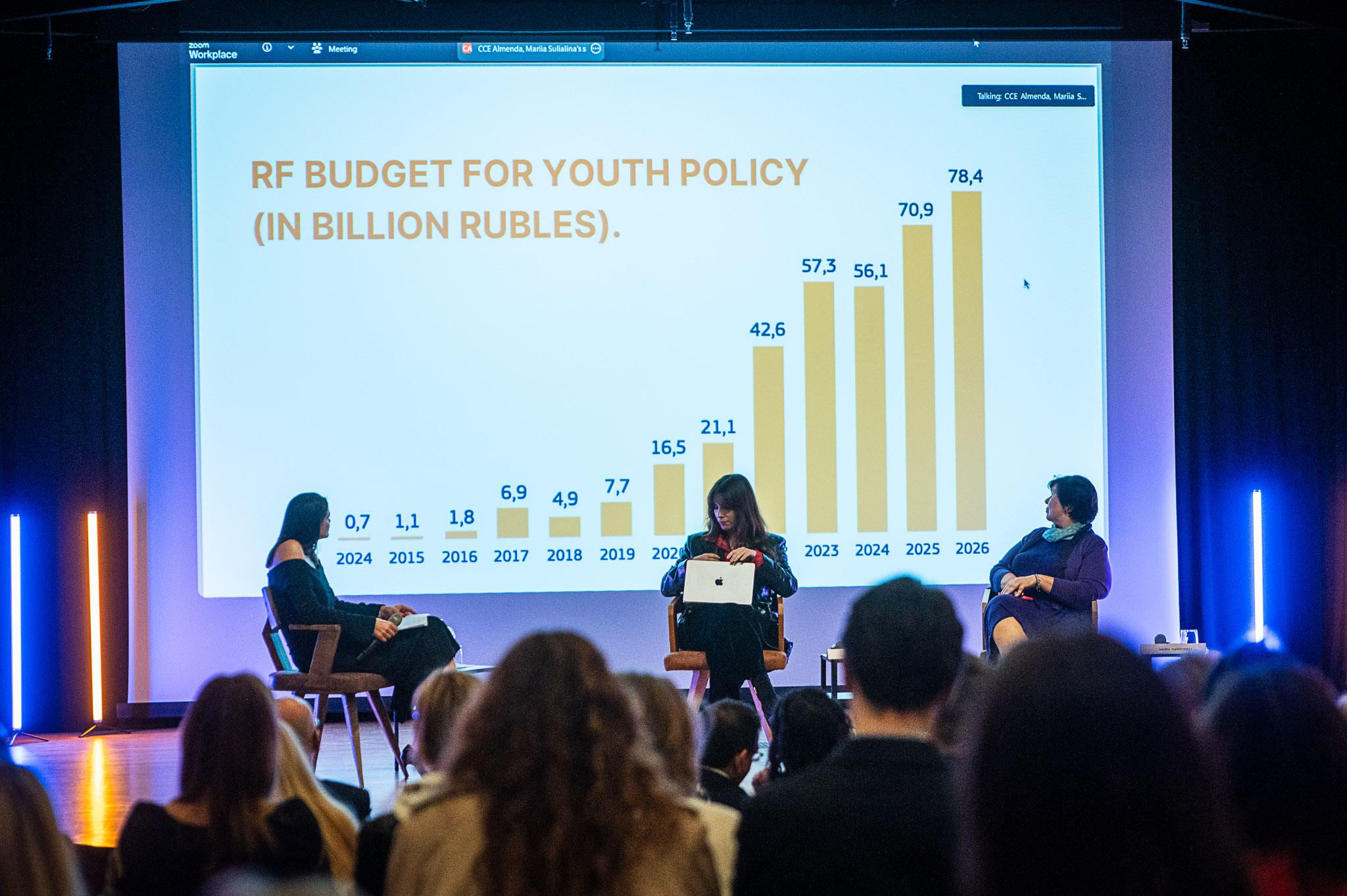
At the panel discussion, Nantina Tsekeri, Managing Director of Defence for Children International – Greece (DCI-Greece), highlighted the profound psychosocial impact of forced displacement on children’s development and identity. Maria Sulyalina, head of the Ukrainian NGO CCE “Almenda”, and Angelina Kasyanova from the Ukrainian Child Rights Network presented evidence and testimonies from child victims, as well as efforts toward the repatriation of children who had been displaced outside of Ukraine.
To provide background, as of early 2026, official Ukrainian authorities have verified that over 20,000 Ukrainian children have been recorded as unlawfully deported or forcibly transferred by the Russian Federation. Of these cases, 1,965 children have been successfully returned.
Independent investigations by the Yale Humanitarian Research Lab (2024) have identified over 200 facilities in Russia and Belarus involved in indoctrination, “re-education”, and the forced Russification of these children.
You may also want to read: The Mission of the President of Ukraine in the Autonomous Republic of Crimea named the key Russian and occupation agencies responsible for the deportation of Ukrainian children
Experts point out that these practices represent a grave breach of international humanitarian law, which prohibits the forcible transfer of civilians from occupied territories; serious breaches of the UN Convention on the Rights of the Child, which guarantees rights related to identity, family unity, and protection from coercion.
According to various estimates, there are currently around 1.6 million Ukrainian children in the temporarily occupied territories.
Previously, Onysiia Syniuk, Head of the Research Department of the Human Rights Centre ZMINA, warned countries at the Munich Security Conference that a generation is being formed that tomorrow any dictator will be able to use in their wars.
She emphasised that this entire system of indoctrination and militarisation of Ukrainian children demonstrates Russia’s lack of intention to stop. She added that impunity only encourages the aggressor state to escalate its violations:
“Russia does not feel the inevitability of accountability when arrest warrants issued by the International Criminal Court are not enforced. Greater international pressure is needed in response to deportation, militarisation, indoctrination, and passportisation as elements of a comprehensive system. Russia is trying to distort reality by presenting sporadic “family reunions” as a solution to the issue of returning Ukrainian children, while refusing to provide any information about children who have been forcibly displaced and deported. Those responsible for these crimes must be subject to sanctions and clearly understand that they will be held accountable. In the context of returning Ukrainian children, the creation of the International Coalition for the Return of Ukrainian Children and the UN General Assembly Resolution on the return of Ukrainian children are important steps in this direction. At the same time, it is important that the coalition has a clear action plan and that the provisions of the resolution are implemented in practice,” Onysiia Syniuk stressed.
Photos: Union of Ukrainian Women in Greece