Crimean Tatar leader responds to Trump’s remarks, citing international law: Only Ukraine and Crimean Tatars can determine Crimea’s fate
Refat Chubarov, Chairman of the Mejlis of the Crimean Tatar People, stated that only Ukraine and the indigenous Crimean Tatar people have the right to determine the fate of temporarily occupied Crimea. At the same time, world leaders must understand the foundations of international law and adhere to the principles outlined in the UN Charter.
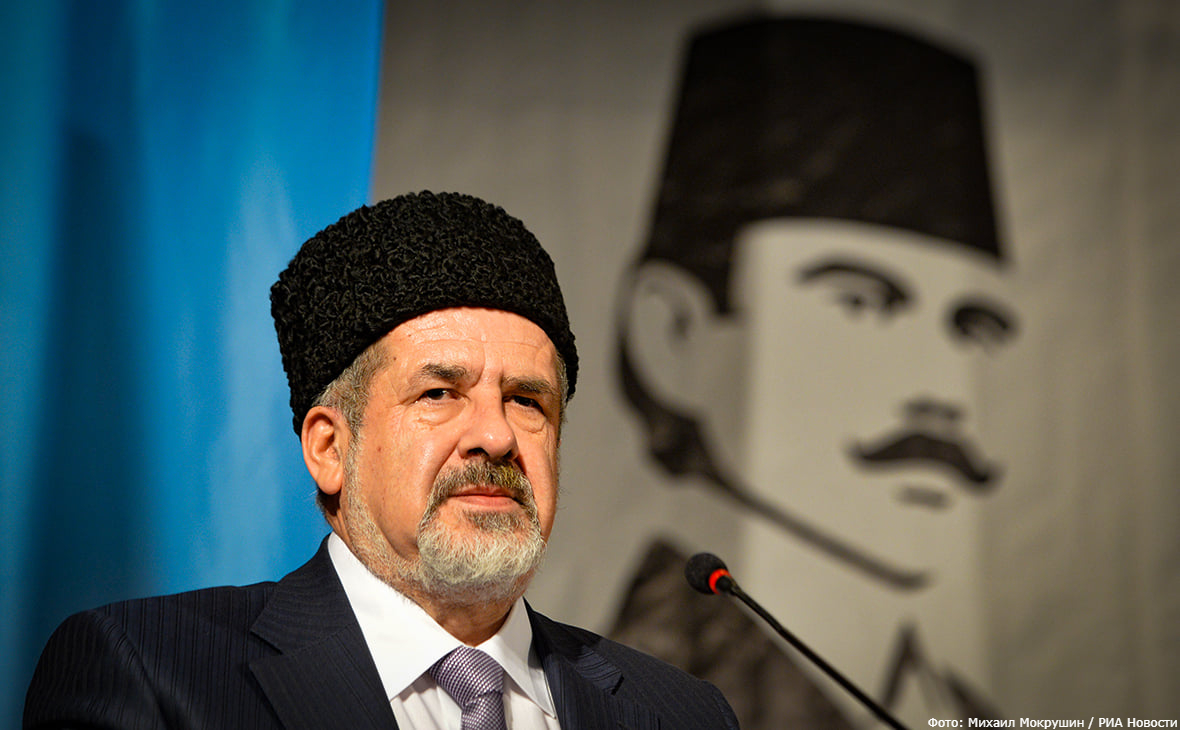 Refat Chubarov
Chubarov commented on U.S. President Donald Trump’s statement about Crimea being “washed by four oceans.” He noted that he does not demand perfect knowledge of the geography or history of the peninsula and the Crimean Tatar people from every world politician.
“However, I have every right to expect from them an elementary understanding of the foundations of international law and strict adherence to the fundamental principles of the UN Charter, on which international relations are based,” he wrote on social media.
The Chairman of the Mejlis emphasized that this concerns:
- The sovereign equality of states
- The inadmissibility of the threat or use of force
- Non-interference in internal affairs.
You may also want to read: No one should ever be allowed to violate the rights of Indigenous peoples — Refat Chubarov
In addition, he highlighted the duty of states to cooperate with one another, the right of peoples to self-determination, and the conscientious fulfillment of international obligations. Chubarov emphasized that these principles are designed to promote peace and security, foster mutual respect, and uphold human rights.
“With such an approach, it becomes absolutely obvious: only two entities have the right to determine the fate of Crimea — the Ukrainian state and the indigenous Crimean Tatar people. Attempts by others to dictate to Ukraine and the Crimean Tatar people what the future of Crimea should be are simply inappropriate,” he stressed.
To provide background, on December 8, Donald Trump stated in an interview with Politico that during their first meeting, President of Ukraine Volodymyr Zelenskyy told Russian ruler Vladimir Putin, “I want Crimea back, and we’re gonna be a member of NATO.” In addition, Trump noted, “Crimea is surrounded by ocean on four sides in the warmest part. It has the best weather, the best everything.”
“We do not have the strength to return our absolutely Ukrainian peninsula of Crimea… I will be honest: we do not have enough support for all this,” Volodymyr Zelenskyy said, while answering media questions on the evening of December 9.
At the same time, he confirmed that during his first meeting with Putin at the presidential level in 2019, he told him that he wanted to return Crimea and that Ukraine would be in NATO.
“I think I could confirm this at the last meeting with Putin as well,” Zelenskyy added.
Earlier, eight Ukrainian human rights organizations called on all parties in the negotiation process to consider the interests of Ukrainian citizens living in the temporarily occupied territories (ТОТ) of Ukraine. In a joint statement, the organizations underlined the fact that ensuring the rights and interests of TOT residents must be part of the agreements within the negotiation process. The organizations also presented a ten-point list of specific steps that the occupying authorities must implement.
Among the specific steps that should be part of the negotiation process, the organizations highlighted:
- Release of all civilians arbitrarily detained by representatives of the Russian armed forces or the occupation authorities;
- Cessation of Russia’s unlawful practice of criminal and administrative persecution and detention of Ukrainian citizens in the TOT of Ukraine, which is used as an instrument of intimidation and political pressure;
- Determining the temporary line of contact and establishing temporary checkpoints to allow entry and exit from the TOT of Ukraine to areas that are controlled by the Ukrainian government and vice versa (humanitarian corridors);
- Granting humanitarian access for international organisations to the TOT of Ukraine by the Russian Federation, with the possibility of direct humanitarian assistance to Ukrainian citizens;
- Providing available information and access to the TOT of Ukraine to search teams to establish the location of persons missing under special circumstances;
- Ensuring the presence of international observation (monitoring) missions in all TOT of Ukraine, in particular to monitor the human rights situation;
- Demining of settlements and civilian infrastructure in the TOT of Ukraine;
- Ensuring that Ukrainian citizens can reside in the TOT of Ukraine without the need to obtain a Russian passport or any other documents granting the “right to reside” in the TOT of Ukraine, in accordance with the Russian legislation illegally extended to the TOT of Ukraine;
- Ensuring unimpeded access of Ukrainian citizens in the TOT of Ukraine to medical services, social and pension benefits, education, property rights, and freedom of movement, and independent sources of information;
- Ensuring that residents of the TOT of Ukraine who have been forcibly displaced to the territory of the RF or within the TOT of Ukraine are able to return to their homes or leave for the territory controlled by the Government of Ukraine.
Any delay in the liberation of the territories temporarily occupied by Russia will lead to the complete destruction of Ukrainian and Crimean Tatar identities there, Alena Lunova, advocacy director of the ZMINA Human Rights Center, stated live on “Radio Nakypilo.”
The human rights advocate called a proposal to discuss the de-occupation of the temporarily occupied territories in 49 years, as was voiced during talks with the aggressor country, unacceptable. She noted that the aggressor nation, in violation of international law, is demanding that Ukrainian citizens in the occupied territories obtain Russian passports or a foreigner’s document, among other things.
-
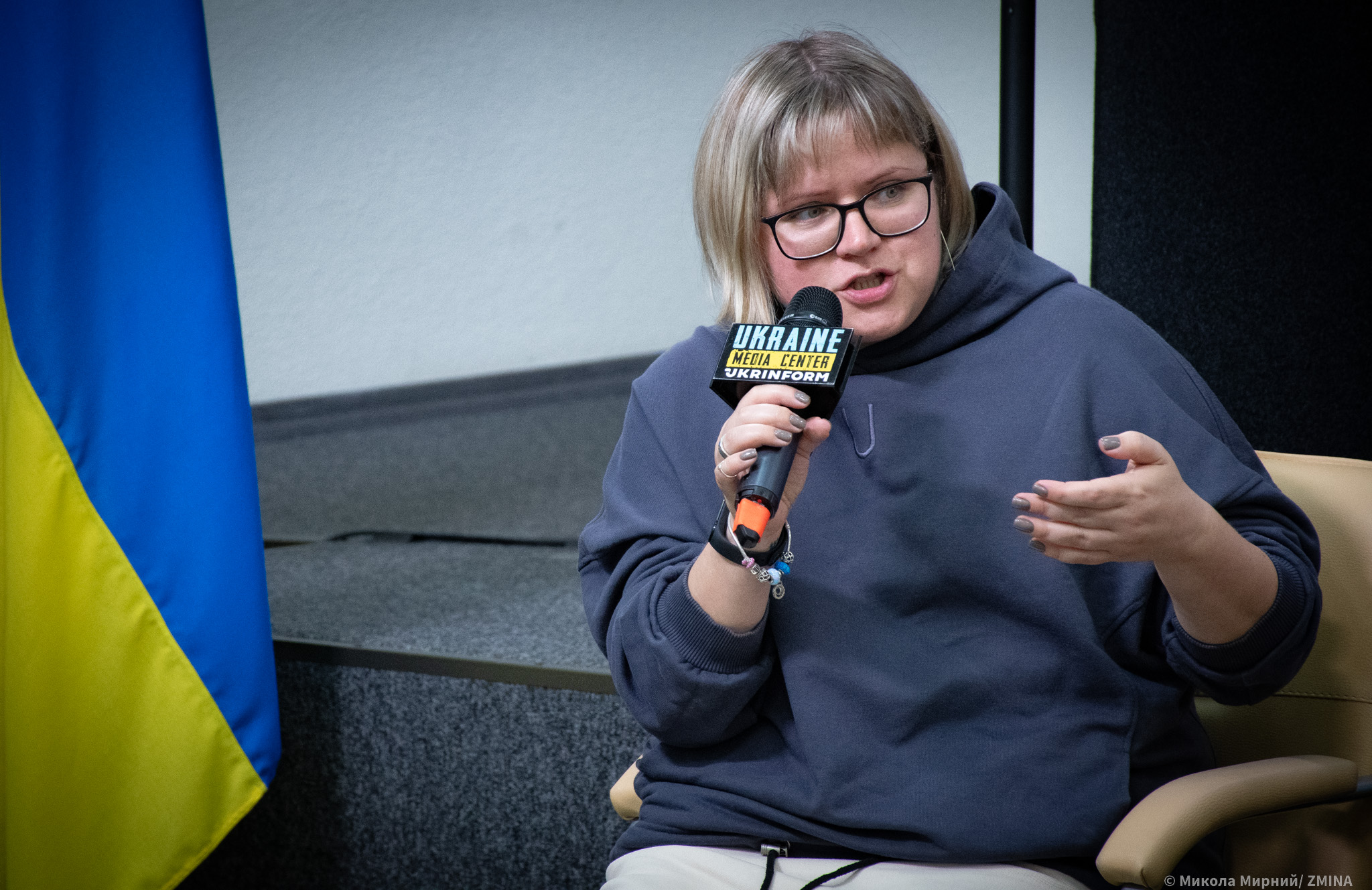 Alena Lunova
Follow ZMINA on X and LinkedIn for daily human rights coverage from Ukraine – we invite you to share your feedback on what you’d like to see more of in our survey here.