Russian forces strike passenger buses in Kramatorsk, killing 30
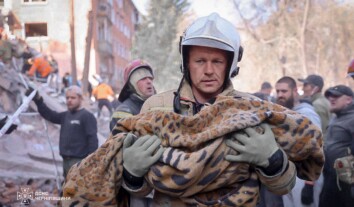
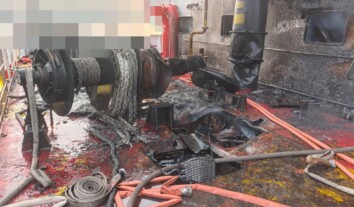
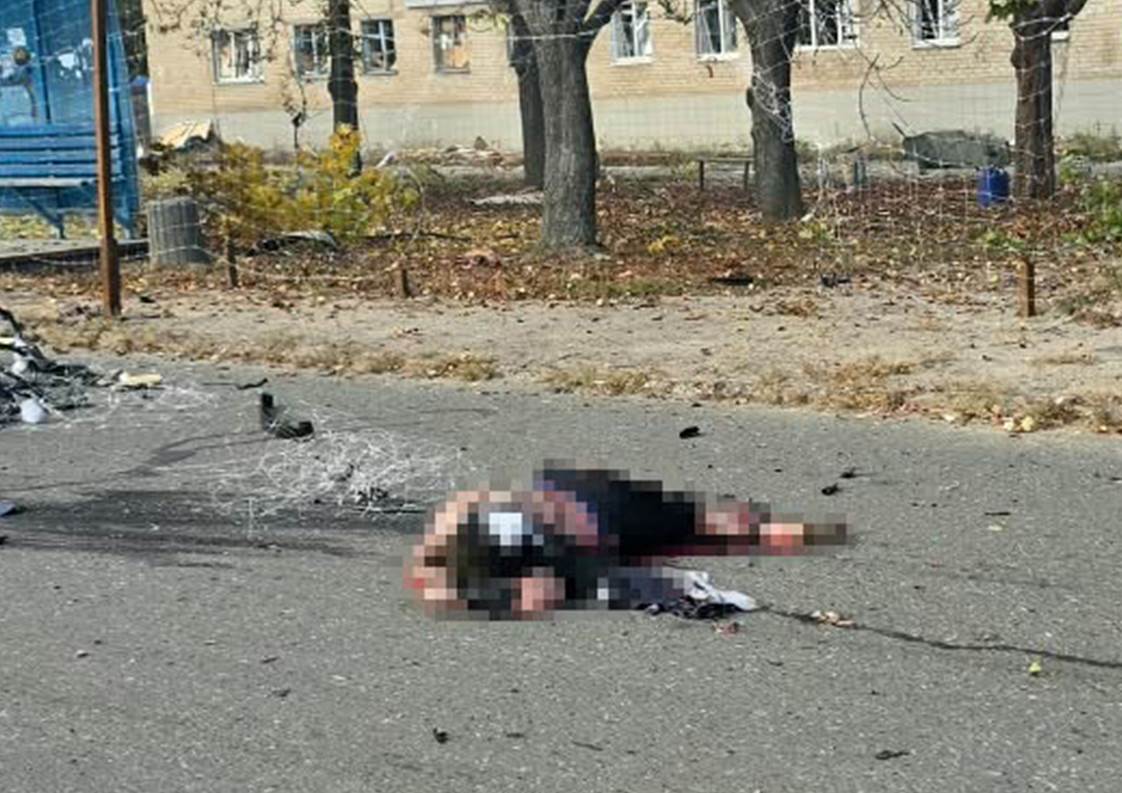
Russian forces attacked two passenger buses in Kramatorsk, the Donetsk Region (Oblast) and killed 30 people on the morning of 8 October 2026, the Kramatorsk City Council, regional head Vadym Filashkin and the Donetsk Oblast Prosecutor’s Office reported. Another 18 people were injured.
 Photo credit: the Donetsk Oblast Prosecutor’s Office
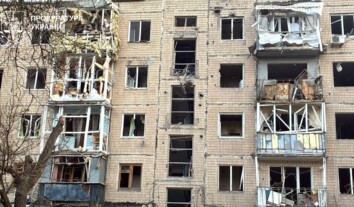
“At 10:00 on 8 October 2026, Russian forces launched a strike on Kramatorsk. Two passenger buses were at the epicentre of the strike […] Fourteen people have likely sustained injuries,” the Donetsk Oblast Prosecutor’s Office stated.
 Photo credit: the Donetsk Oblast Prosecutor’s Office
The vehicles were carrying passengers at the time of the attack. Russian forces likely struck the buses using UMPB D-30 SN bombs.
Filashkin also wrote that given the sharp deterioration of the security situation, the Kramatorsk and Sloviansk city military administrations are suspending public transport operations.
To provide background, US president Donald Trump has not secured an end to Russia’s war within 24 hours of taking office, as he had promised. Furthermore, numerous Ukrainian and international experts point out that the U.S., as a guarantor state under the Budapest Memorandum, is pressuring Kyiv into capitulation.
Russia received more than 176,000 tonnes of petroleum products from South Korea in July and August 2026, an adviser to the president of Ukraine on sanctions policy, Vladyslav Vlasiuk, stated on Facebook. The bulk of the supplies consisted of diesel fuel. In August, Korean supplies accounted for about 31% of all Russian fuel imports.
The press service of South Korean President Lee Jae-myung rejected accusations that Russia imported petroleum products from South Korean ports, Reuters reported. South Korean authorities stated that they have “consistently applied sanctions and export controls against Russia in close coordination with the international community” since Moscow’s invasion of Ukraine, the South Korean presidential press service said. The press service added that Seoul is checking the facts and any export control issues and will take necessary measures if sanctions violations are found.
Stay connected with us via X, Bluesky and LinkedIn – and while you’re here, please spare five minutes to fill out our survey and tell us what you’d like to see next.