Russian strikes on Kyiv and Kyiv Oblast kill 12, injure 20, including two children
Date:
01 September 2026
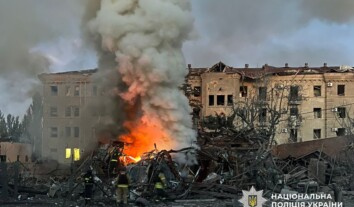
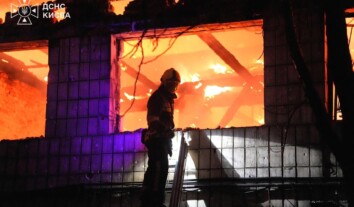
At least 12 people have been killed and 20 injured, including two children, in overnight Russian missile and drone strikes on Ukraine’s capital, Kyiv, and the wider region, Ukrainian authorities stated.
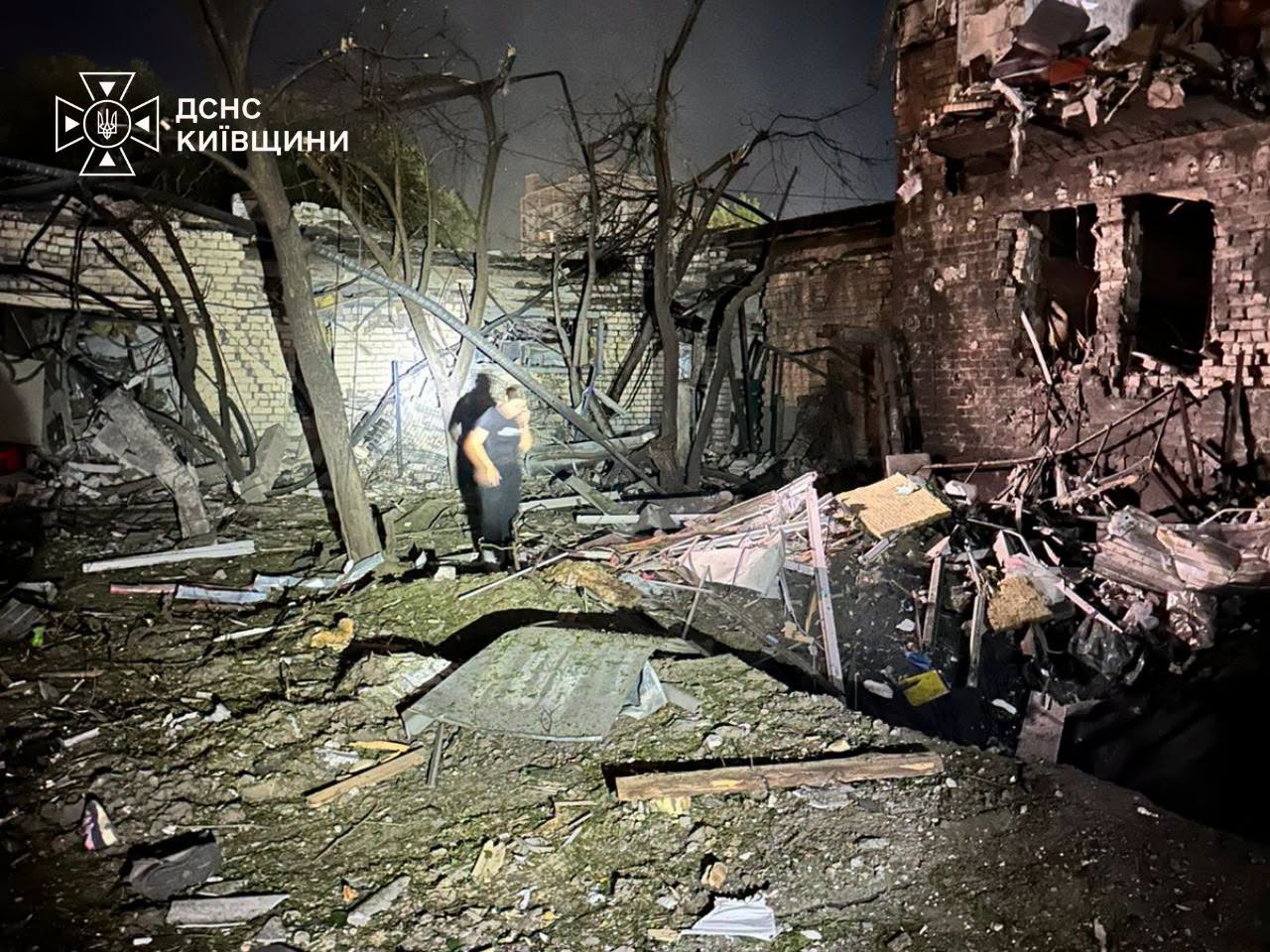
In Kyiv, six of the eight casualties were railway workers of the state Ukrzaliznytsiaі railway company after a depot was hit. Fires were reported in three city districts. Four people were killed in the town of Boryspil, where a residential building was hit. Oleksandr Pertsovskyi, chairman of the board of Ukrzaliznytsia, said there is extensive damage, including a workshop that was completely destroyed.
In Kyiv, explosives experts neutralized a Russian S-400 missile warhead containing about 180 kilograms of explosives after it fell in a residential area of the Darnytskyi District.
Ukrainian President Volodymyr Zelenskyy said on the morning of 1 September that nearly 350 rescue workers had worked through the night in Kyiv and the surrounding region following the latest strikes.
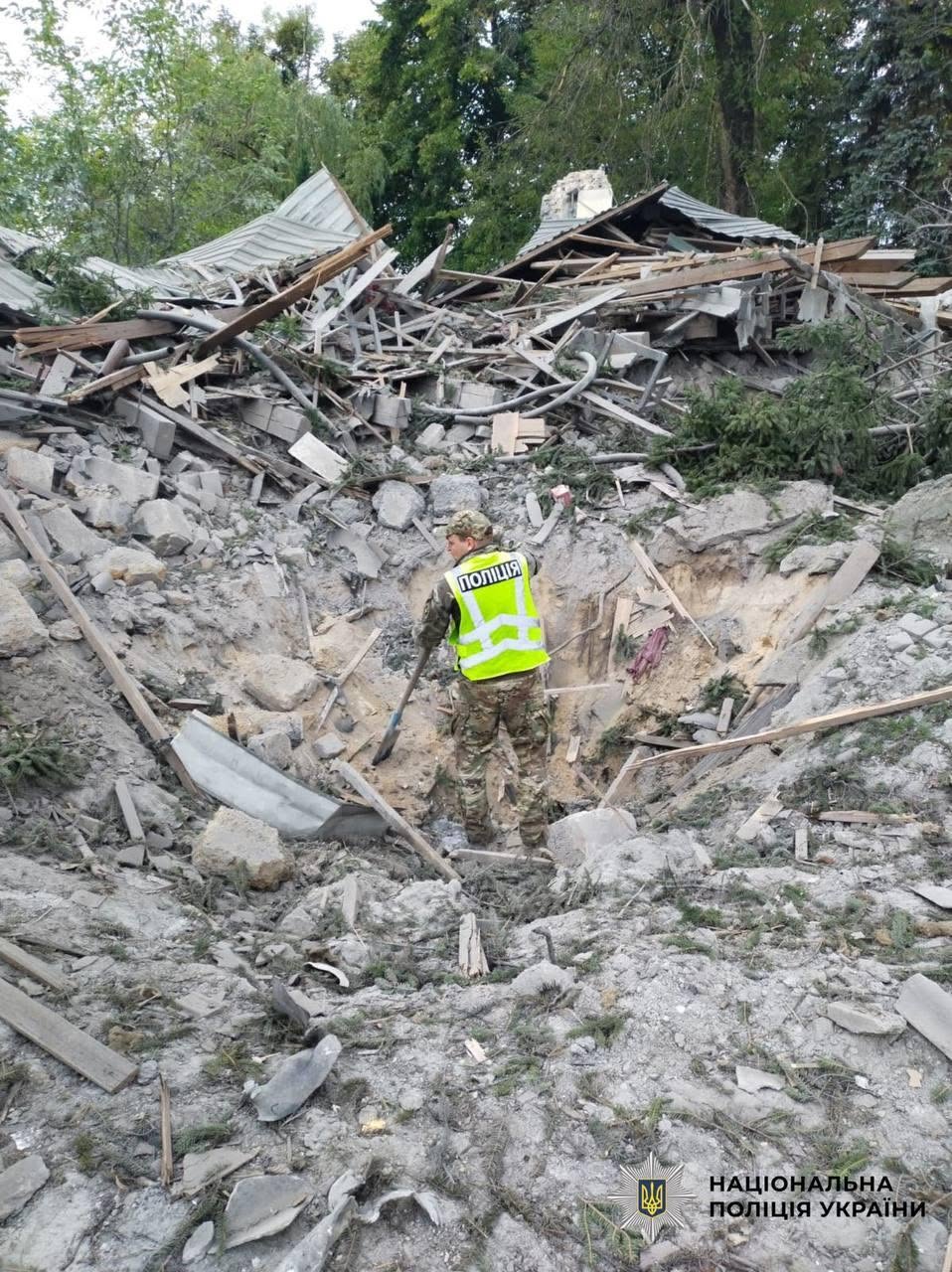
Russia’s military said its “massive strike using high-precision weapons” targeted Ukraine’s “military-industrial and fuel-energy” facilities.
In a post on social media, he said Russia had fired a “significant number of jet drones and ballistic missiles”.
In a separate statement, Ukraine’s Air Force clarified that Russians attacked Ukraine with Iskander-M/KN-23/S-400 ballistic missiles, Zircon anti-ship missiles, Kalibr cruise missiles, Kh-31P anti-radiation missiles, S8000 Banderol loitering munitions,s and 218 drones of various types on the night of 31 August-1 September. Strikes have been recorded at 28 locations.
Early reports indicated that as of 08:30, Ukrainian air defence forces had destroyed or jammed 199 aerial assets:
- 5 Iskander-M/KN-23/S-400 ballistic missiles
- 2 S8000 Banderol missiles
- 5 Kalibr cruise missiles
- 187 Shahed, Gerbera and other types of drones
According to the statement, hits by missiles and attack drones have been recorded at 28 locations, and the fall of downed aerial assets (debris) at 10 locations.
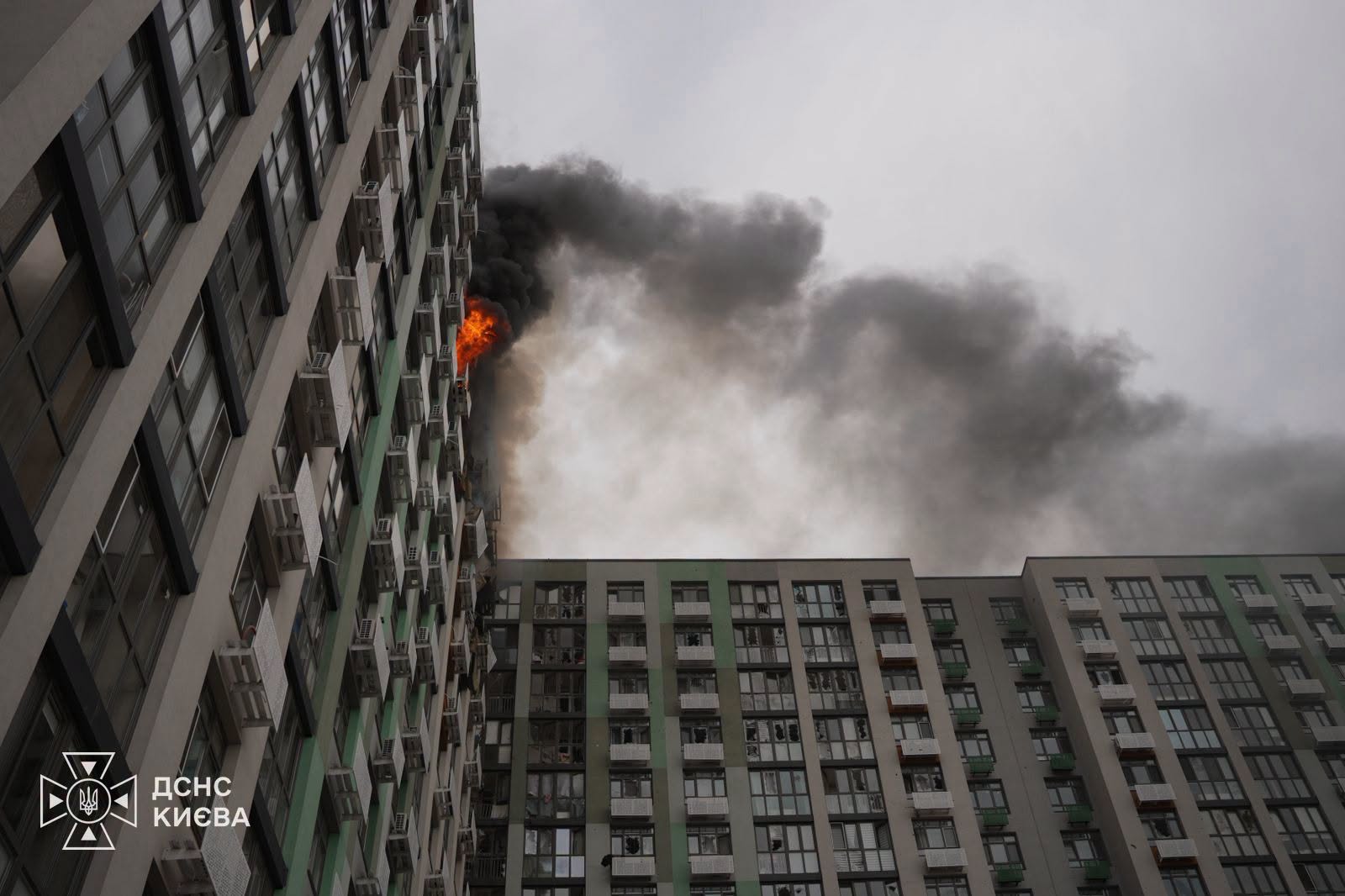
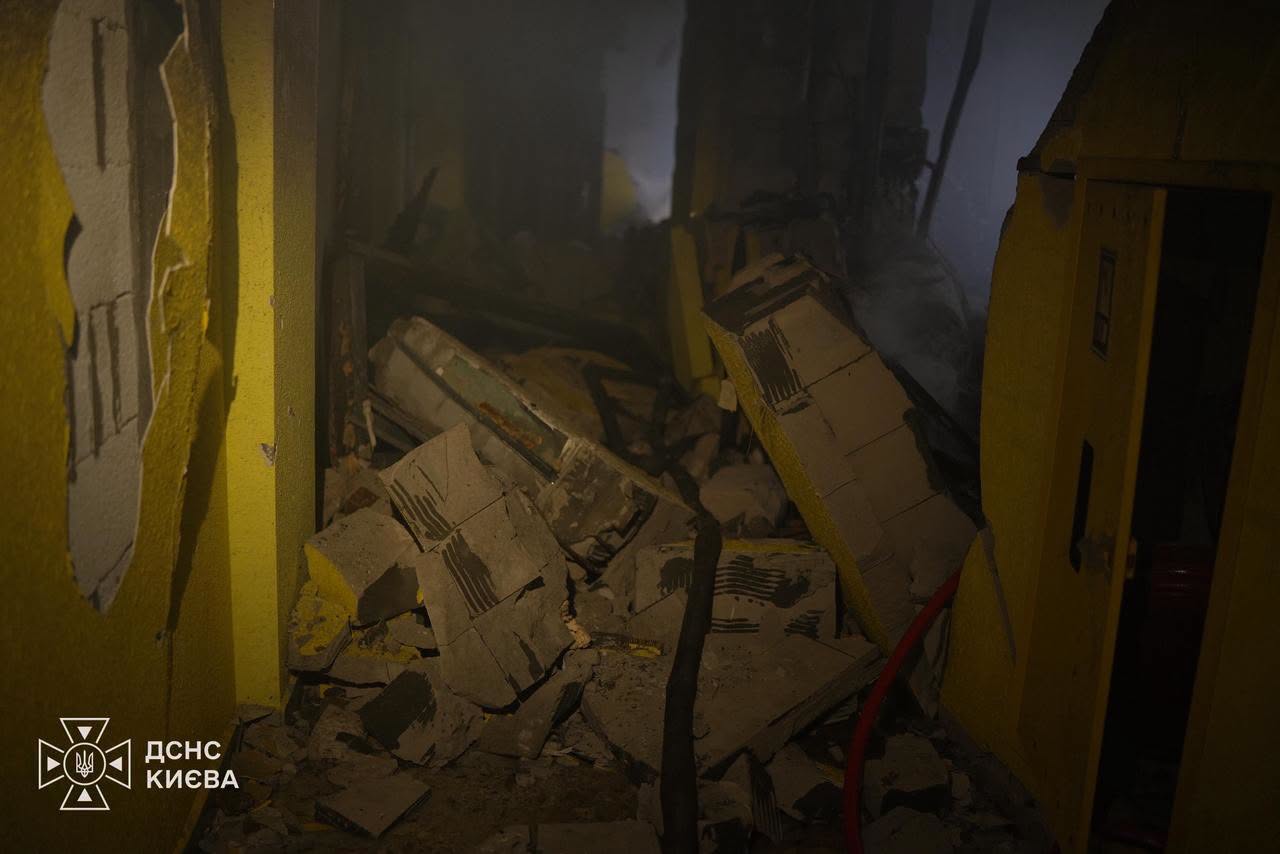
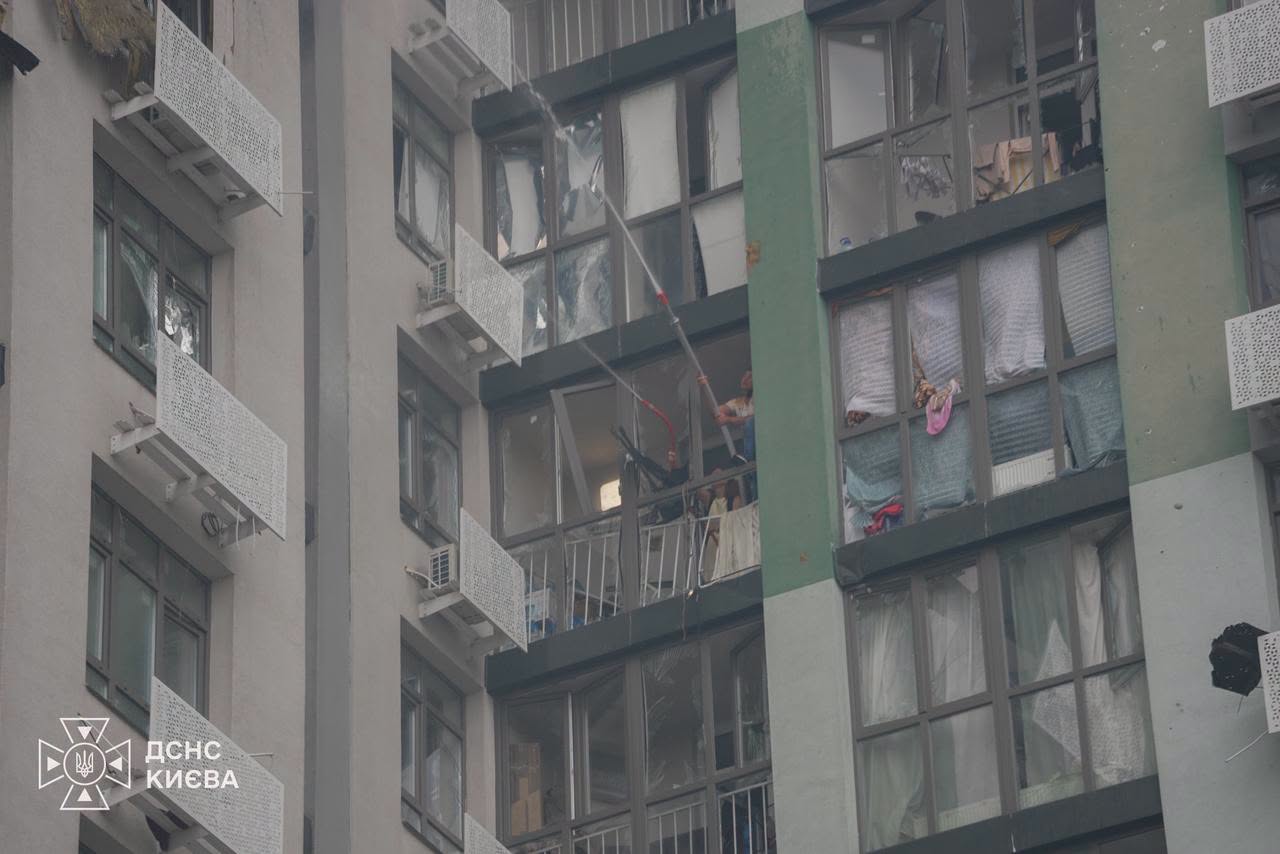
Eight other Ukrainian regions were attacked, Zelenskyy said, adding that an Indian national was among the casualties.
Ukraine’s Interior Minister Ivan Vyhivsky later stated that the Russians killed an Indian man in Boryspil, who turned 26 on Tuesday.
Ukraine’s State Emergency Service reported that four emergency workers were wounded in a Russian strike in the Zaporizhzhia region on 1 September.
New power outages were reported in the morning in the Kyiv, Donetsk, Sumy, Odesa, and Kharkiv Oblasts following Russian missile and drone strikes, Ukraine’s grid operator Ukrenergo stated.
In other news, EU foreign policy chief Kaja Kallas has said before an informal meeting of EU foreign ministers in Wicklow, Ireland, that EU countries should provide Ukraine with the interceptor missiles it needs, including those nearing the end of their shelf life.
“July and August have been the deadliest months for the civilians in Ukraine. Russia is really escalating to hurt the people of Ukraine as much as possible to break them. The Ukrainians, of course, are standing strong, and we have to support them,” Kallas said.
She stressed that Ukraine lacks interceptor missiles.
“We know that some of the countries have interceptors that will expire soon. So, it would be very good if those would be given to Ukraine so that they can use them to protect their people,” the EU foreign policy chief said.
Kallas said they were also “doing the outreach for countries outside the European Union to get the interceptors to protect the civilians”.
Apart from this, US Treasury Secretary Scott Bessent made it clear to Russian Finance Minister Anton Siluanov that no economic relief for Russia or agreements on other issues would be possible until its war in Ukraine ends, a source familiar with the ministers’ bilateral meeting told Reuters.
Ukrainian experts point out that countries, including China, Greece, North Korea, India, Hungary, Slovakia, Iran, and Brazil, assist Moscow in killing Ukrainians in its war against Ukraine by funding the Russian budget through trade.
Human rights organisations and Ukrainian authorities emphasise that structural economic pressure remains a key tool to halt such atrocities. They urge every nation and individual government worldwide to strictly enforce global sanctions, close existing regulatory loopholes, and completely sever remaining commercial and technological ties with the Russian Federation. Civil society groups stress that any continued cooperation by foreign businesses directly contributes to the resources Moscow uses to sustain its ongoing war crimes and crimes against humanity in Ukraine.
Meanwhile, the Ukrainian government is drafting specific measures for living under prolonged air raid alerts and adapting to Russia’s changing attack tactics. Prime Minister Serhii Koretskyi said the new program must address situations where alerts last for most of the day, disrupting the work of institutions, children’s education, public transport and daily life.
Simultaneously, the Cabinet of Ministers is implementing strict cost-cutting measures for non-defense spending to free up additional resources for the military. The government has already identified about 70 billion hryvnias to allocate entirely to defense needs, the prime minister said. However, he promised that pensions, salaries and other key social obligations will continue to be met.
Russian entities posing as Ukrainian citizens are flooding state institutions and military bodies with mass complaints using real and fabricated personal data. The campaign, dubbed operation “Postman,” aims to create an additional bureaucratic burden, simulate public discontent and test which institutions respond to the appeals