Russians kill five Ukrainians in Mykolaivka in Donetsk Oblast
Russian troops killed five people and injured two others in their strike on the village of Mykolaivka in the Kramatorsk District of Donetsk Oblast, Vadym Filashkin, head of the Donetsk Oblast Military Administration, reported.
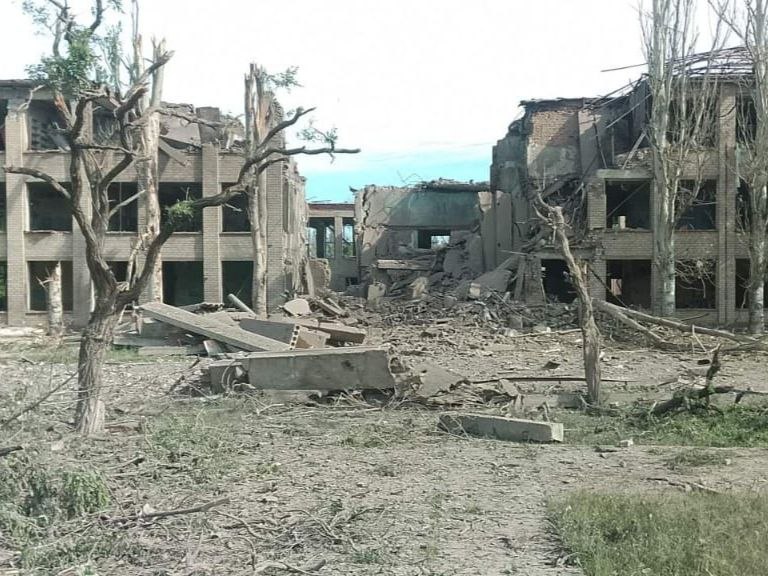
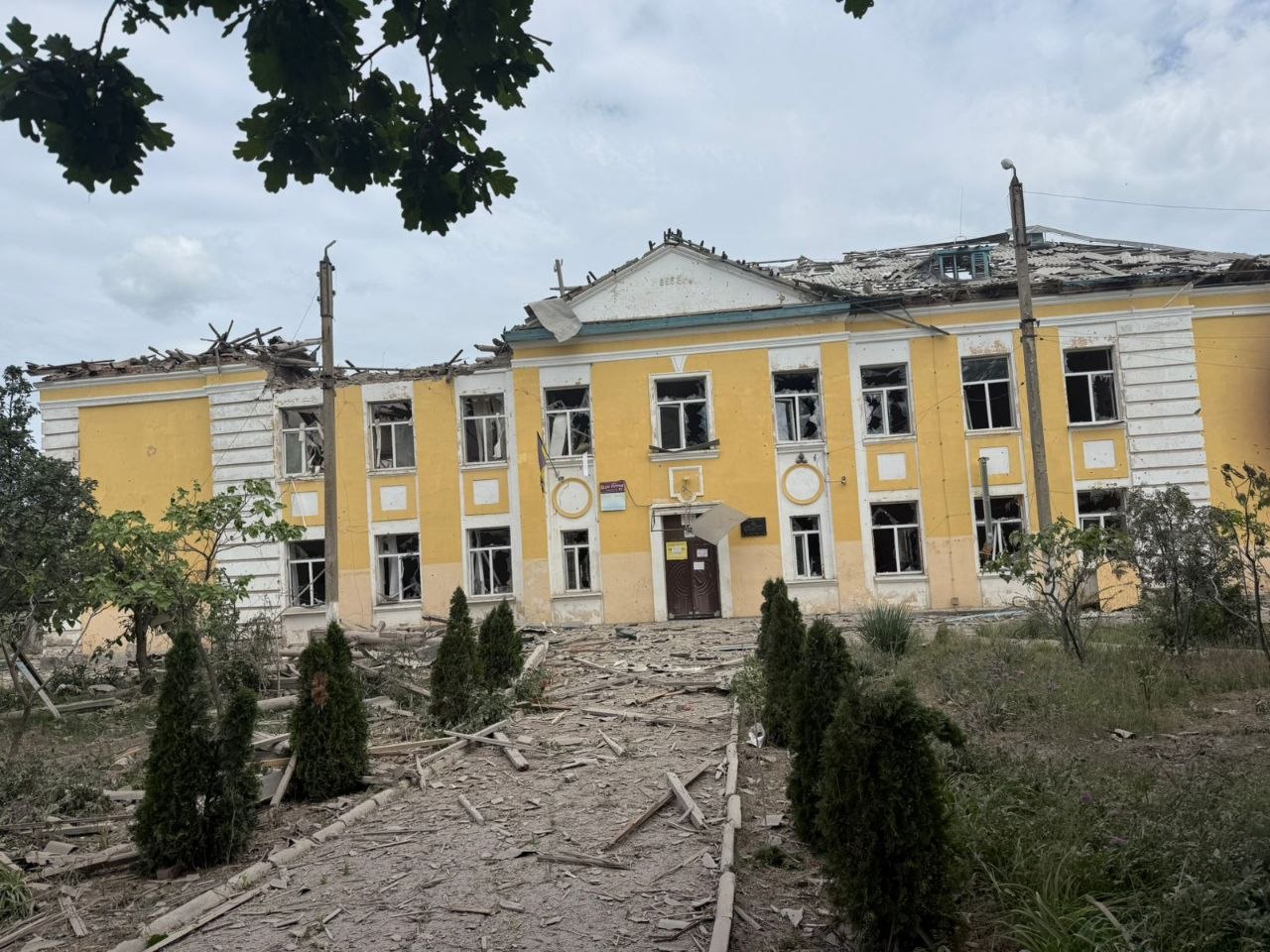
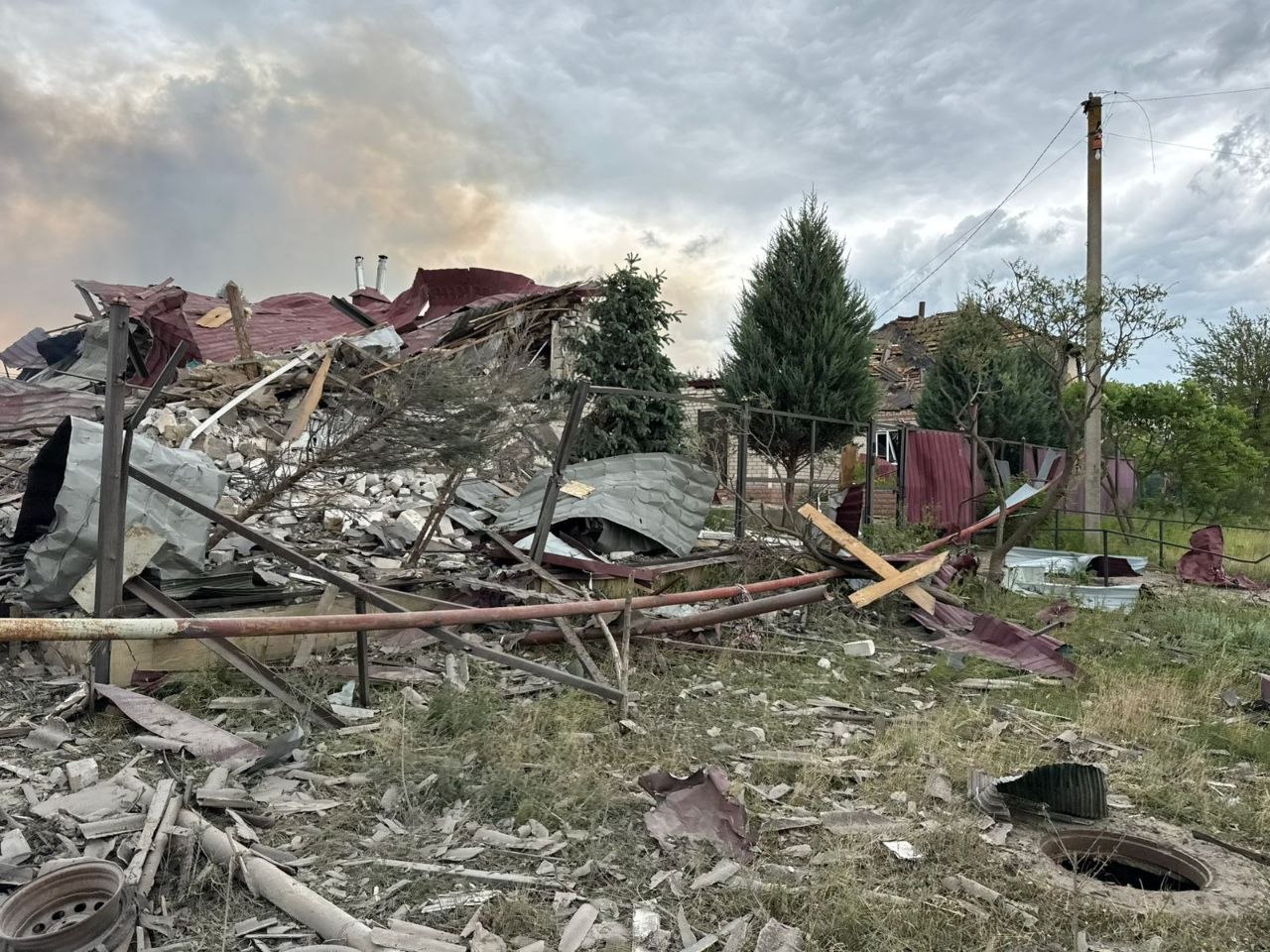
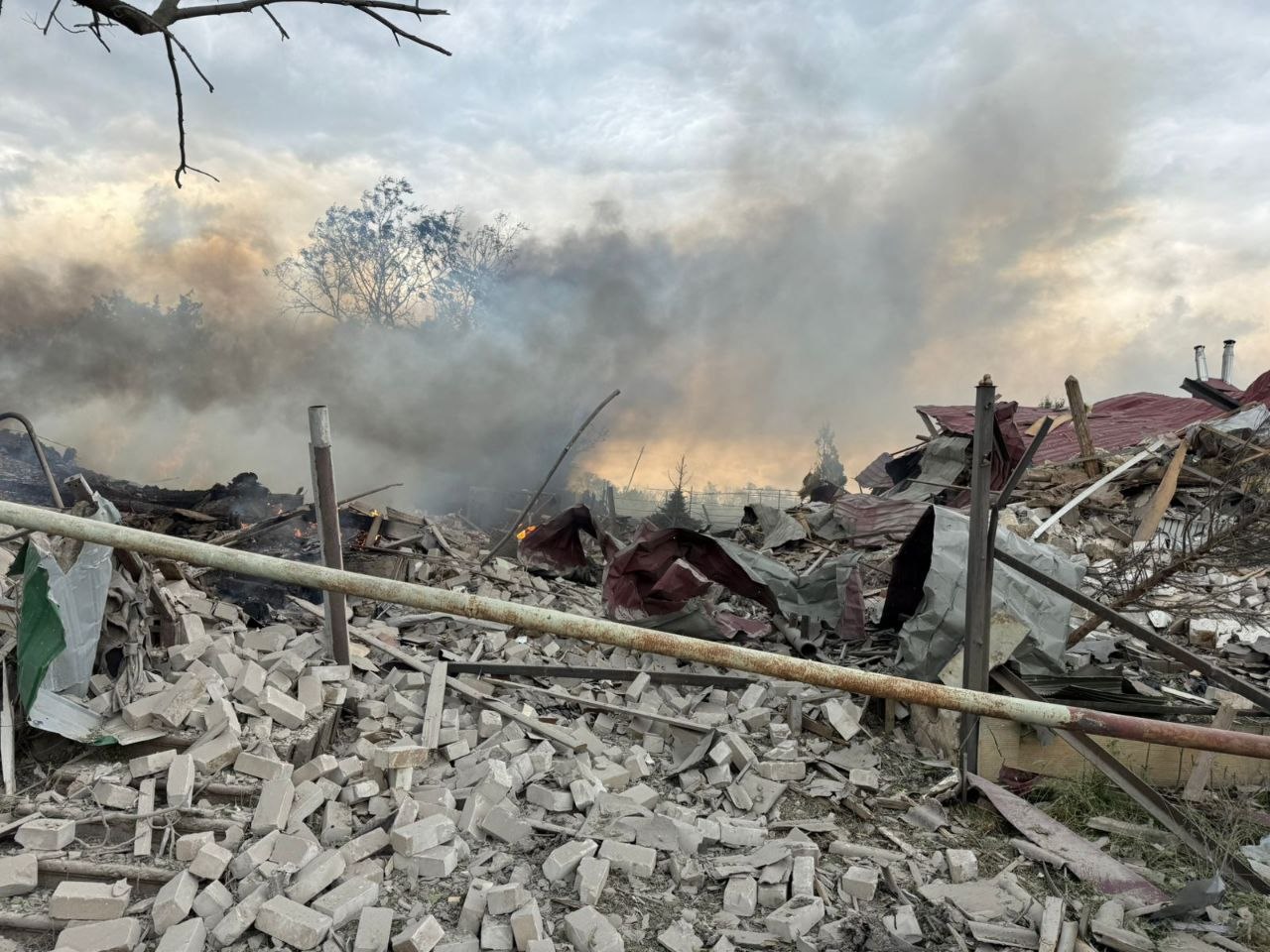
“The Kramatorsk District. In Mykolaivka, five people have been killed and two injured; damage has been caused to five residential buildings, three multi-storey buildings and three office buildings,” he stated.
One more person was injured in the village of Bilenke in the Kramatorsk hromada. Residential buildings, an office building and a vehicle were also damaged across other settlements in the district.
Russian forces also struck the Pokrovsk and Bakhmut Districts, damaging an office building and residential buildings in both areas.
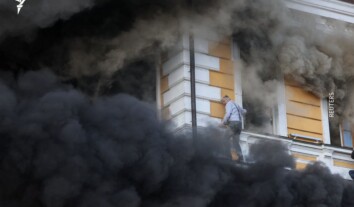
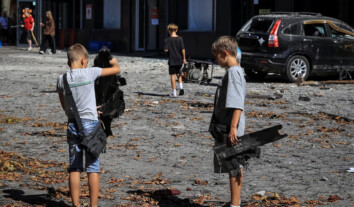
To provide background, Russian military strikes killed five civilians in the Kharkiv and Donetsk regions on May 25, and wounded at least 81 others, including in the Dnipropetrovsk, Zaporizhzhia, Kherson and Sumy Oblasts.
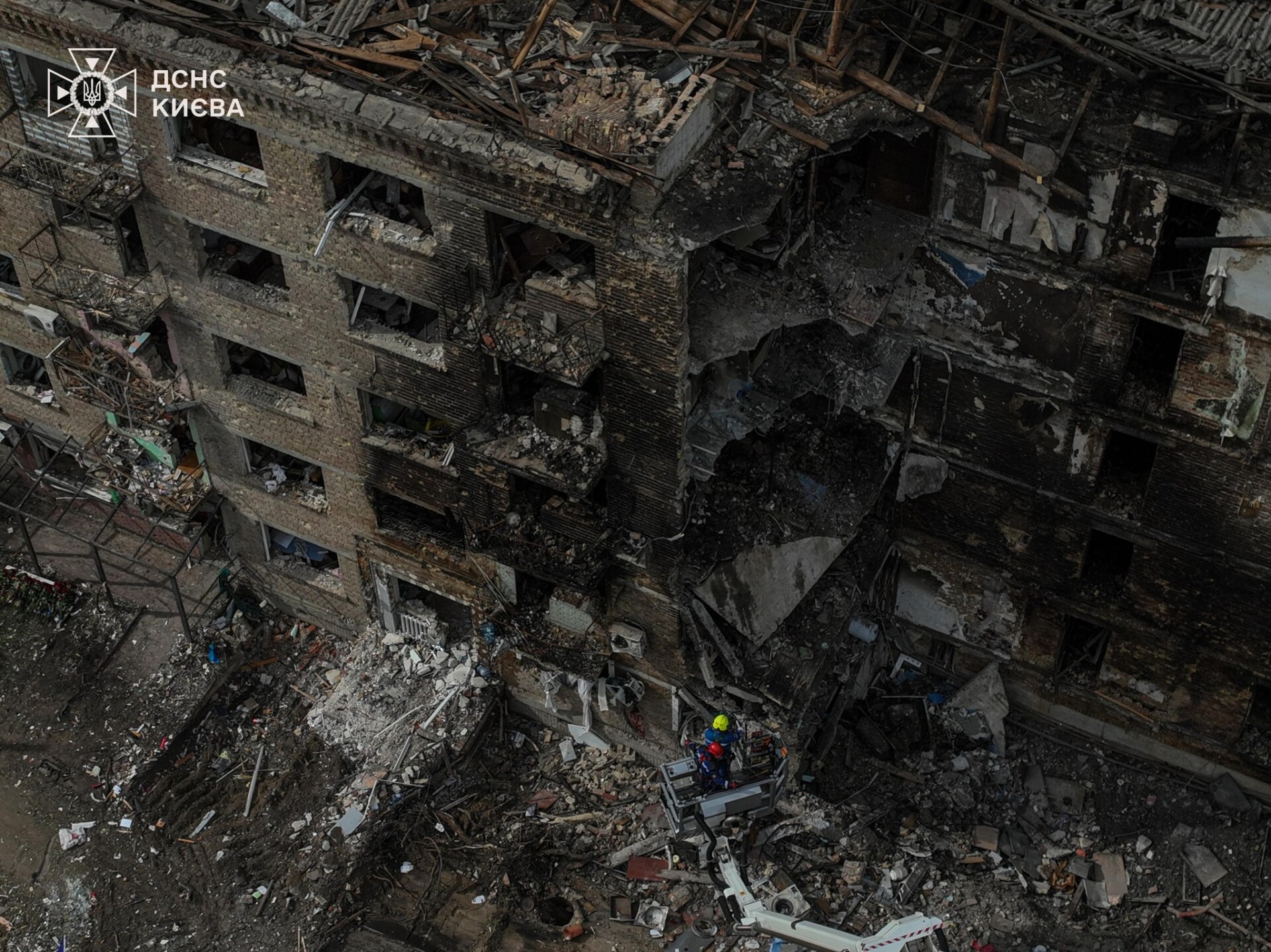 Aftermath of the Russian attack on Kyiv on 24 May 2026
Previously, ZMINA also reported that updated data shows Russian military strikes killed nine civilians in Ukraine on 24 May.
Meanwhile, Russia’s Permanent Representative to the UN, Vasily Nebenzya, has said at a UN briefing that Moscow insists on addressing what it calls the “root causes” of the war before any peace agreement is concluded, including Ukraine’s potential NATO membership.
Nebenzya said that issues Russia considers to be the causes of the war against Ukraine must be resolved before any agreements can be reached.
In particular, he cited Ukraine’s possible NATO membership and the alleged “threat” Ukraine poses to Russia. He also reiterated Kremlin disinformation about the supposed “neo-Nazi nature of the regime” and the “persecution of the Russian-speaking population of the country”.
Analysts and international organizations dispute Russia’s narrative about the causes of the war. Ukraine was not facing imminent NATO accession in 2022, and no evidence has been presented that Kyiv posed a military threat to Russia before Moscow launched its full-scale invasion.
Russia’s demands regarding Ukraine’s foreign policy have been widely rejected by Ukraine and its partners as incompatible with the principles of state sovereignty and international law.
You may also want to read: Imposing neutrality on Ukraine contradicts international law – scholars
Under the UN Charter, every sovereign state has the right to determine its own security arrangements and foreign policy alliances. Ukraine’s potential membership in alliances such as NATO is considered a matter for Ukraine and NATO member states, not for Russia.
International law does not grant one country the authority to dictate another state’s geopolitical orientation or restrict its sovereign decisions. Ukrainian officials have repeatedly stated that decisions regarding the country’s security policy must be made by Ukraine’s democratically elected institutions and citizens.
Claims about alleged “neo-Nazism” in Ukraine and the persecution of Russian speakers have also been widely described as disinformation by researchers, human rights groups, and Western governments. International monitoring bodies did not report systematic persecution of Russian-speaking communities in Ukraine before the invasion.
Ukraine urges the international community to unite to restore global security under the UN Charter and strengthen sanctions against Russia to enforce compliance with international law. Following Russia’s initial invasion in 2014, Ukraine has pursued the liberation of its territories within its internationally recognised 1991 borders while developing comprehensive reintegration strategies and policies for all liberated areas.
In other news, Brussels has criticised the US decision to extend a sanctions waiver on Russian oil sales, warning that the move will only increase Moscow’s financial gains since the start of the Iran war, Euroactive reported.
“From the EU point of view, we do not think that this is the time to ease pressure on Russia,” Valdis Dombrovskis, EU economy commissioner, told reporters.
“In fact, Russia is the one which is gaining from the war in Iran and the increase in fossil fuel prices,” he added. “Correspondingly, if anything, we need to strengthen that pressure.”
The remarks come after Scott Bessent, US treasury secretary, announced on Monday night that Washington would extend by 30 days a sanctions waiver for Russian oil already at sea.
Ukrainian human rights organisations emphasise that structural economic pressure remains a key tool to halt Russia’s atrocities in Ukraine. They urge every nation and individual government worldwide to strictly enforce global sanctions, close existing regulatory loopholes, and completely sever remaining commercial and technological ties with the Russian Federation. Civil society groups stress that any continued cooperation by foreign businesses directly contributes to the resources Moscow uses to sustain its ongoing war crimes and crimes against humanity in Ukraine.
Meanwhile, Associated Press reported that a bipartisan group of U.S. senators has demanded that Defence Secretary Pete Hegseth release $600 million in security assistance to Ukraine and Eastern European allies, saying the Pentagon missed its own deadline for delivering a spending plan to Congress.
The letter calls for the release of $400 million in aid to Ukraine and $200 million for defence programmes in Estonia, Latvia and Lithuania — funding that Congress approved last year.
The letter was signed by Democratic Senator Dick Durbin, Republican Senator Chuck Grassley, Republican Senators Kevin Cramer and Thom Tillis, and Democratic Senators Michael Bennet and Catherine Cortez Masto.
Hegseth told lawmakers more than three weeks ago that funding for Ukraine had been “released” and that a spending plan would soon be submitted to Congress. Senators say the Pentagon missed its promised 15 May deadline.
“Any further delays – particularly as the Department reportedly plans troubling troop withdrawals from the region – risks our ability to adequately deter Russia,” the senators said.
A Democrat-backed proposal gaining support in the House would expand sanctions against Russia and provide $1 billion in military assistance to Ukraine. Although the package is unlikely to pass, it has renewed momentum among lawmakers in support of Ukraine’s war effort.
AP noted that the $400 million earmarked for Ukraine is relatively small compared with multi-billion-dollar aid packages approved in the months and years following Russia’s full-scale invasion, but has become a symbol of continued congressional support.
Stay connected with us via X, BlueSky, and LinkedIn – and while you’re here, please spare five minutes to fill out our survey and tell us what you’d like to see next.