Armed Forces of Russia
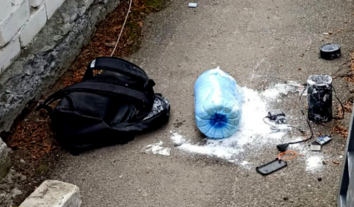
Russian intelligence recruited a Ukrainian schoolgirl in the Ternopil Oblast, using her stolen explicit photos as blackmail
Ultimately, following instructions, the schoolgirl constructed an explosive device and placed it under a car parked near the police administration building. The girl was apprehended, and the device was neutralized before it could detonate
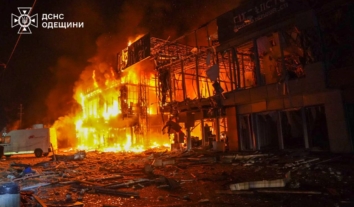
Odesa under attack: explosions from Russian drones, lead to emergency blackouts in the city
DTEK, a private energy company, reported local emergency power outages in the Prymorskyy, Peresypskyy, and Kyivskyy districts of Odesa
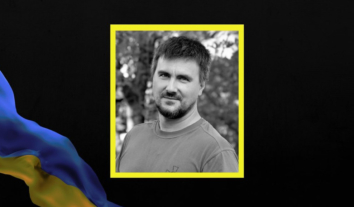
Suspilne videographer and serviceman Kyrylo Polikevych killed in the war
A media worker is survived by his wife and 8-year-old daughter, Sofia. He would have turned 43 in April
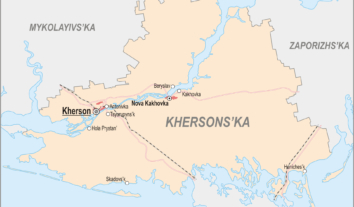
Russians kill two civilians in Kherson
Roman Mrochko, Head of the Kherson City Military Administration, reported that Russian forces attacked the city of Kherson three times on March 19, 2025, killing two people
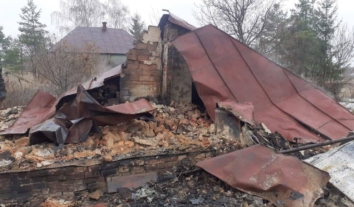
Russia conducts 114 attacks on Sumy region in one day: one person killed, two injured
Colonel Andrii Demchenko, spokesman for the State Border Guard Service, reported that Russian sabotage and reconnaissance groups continue to attempt to cross the border of Ukraine in Sumy Oblast and place mines in the area
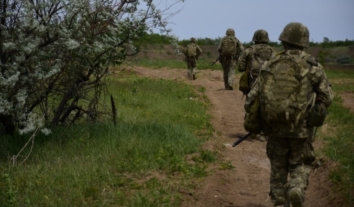
Ukrainian Ombudsman reports new POW executions by Russian forces
He sent letters to the UN and the International Committee of the Red Cross after a video emerged showing the bodies of five Ukrainian soldiers apparently executed after capture by the Russians
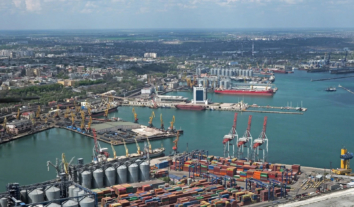
Russians kill four citizens of Syria and injure two other people
According to Kiper, the ship was loading wheat for export to Algeria at the time of the strike
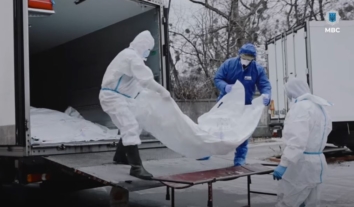
80% of bodies of Ukrainians returned from Russian prisons show signs of torture – Interior Ministry
According to the Ministry of Internal Affairs, a total of 2,000 investigators are investigating 70,000 criminal cases of missing persons
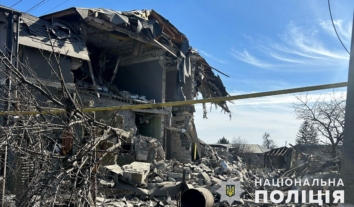
Russians kill three and injure six people in attacks on Donetsk region
Eight settlements were targeted: Druzhkivka, Kostiantynivka, Lyman, Mykolaivka, Pokrovsk, Zorya, Ivanopillya, and Poltavka. A total of 92 civilian objects, including 72 residential buildings, were damaged
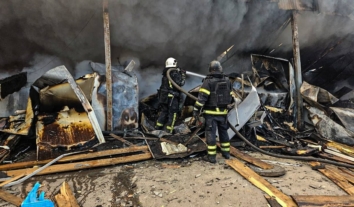
Russian night attack on a civilian enterprise in the Kharkiv region kills three civilians
Syniehubov added that the Russian shelling occurred at 2 AM

Russia launches massive missile, drone attack on Ukraine’s energy and gas infrastructure
The Air Force's air surveillance troops detected and tracked 261 Russian drones and missiles – 67 missiles and 194 attack UAVs and decoy drones of various types
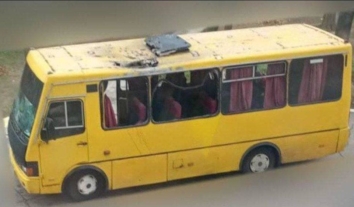
Russians attacked passenger bus in Kherson with drone; one killed and six injured
Medical personnel transported them to the hospital, where they are now receiving treatment
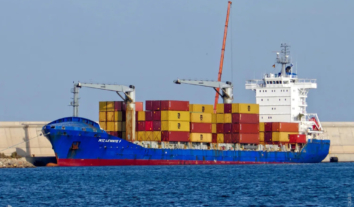
Russians hit Odesa port with ballistic missile, injuring staff and damaging foreign vessel Levante F
Two port employees were injured
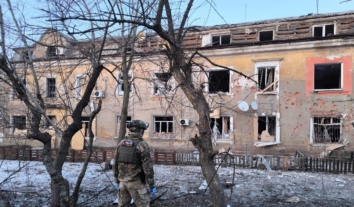
Russia kills four civilians and injures ten more in Donetsk and Kherson Oblasts
The Russians killed four residents of the Donetsk Oblast: two in Lyman, one in Myrnohrad and one in Siversk
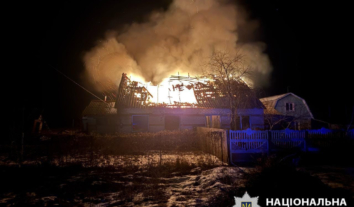
Russians launch largest drone attack on Ukraine since the full-scale invasion, striking 13 regions with 267 UAVs
The Russians also launched three Iskander-M/KN-23 ballistic missiles from temporarily occupied Crimea
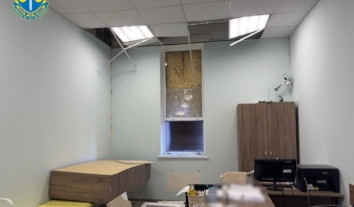
Russian drone strikes clinic in Kherson, injuring eight medical workers
Currently, prosecutors and investigators continue to document war crimes committed by Russian forces
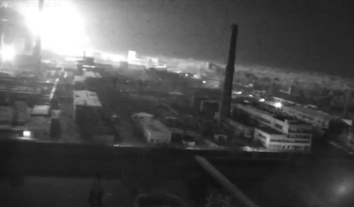
Russians hit protective structure at Chornobyl nuclear power plant – Zelenskyy
The Ukrainian leader Volodymyr Zelenskyy also says that Russia is continuing to expand its army and "shows no change in its deranged, anti-human state rhetoric"
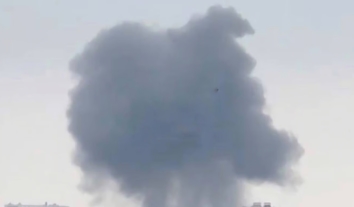
Russians attack village in Zaporizhzhia Oblast with 10 guided aerial bombs, killing a man
Russians killed a 29-year-old man

Columns

Not just Ukraine — Russia is preparing Ukrainian children for future wars elsewhere
Why “good Russians” in exile repeat Russia’s and USSR’s colonial narratives?

Reconciliation never ends: on the challenges of decolonization in South Africa

Russia needs soldiers. The Global South has desperate people. The rest is exploitation.