Zelenskyy reveals U.S. ‘compromise’: Ukraine leaves Donetsk Oblast, Russia doesn’t enter
President Volodymyr Zelenskyy explained during a meeting with journalists in Kyiv that the U.S. “compromise vision” regarding control over the part of Donbas currently held by Ukraine envisions Ukrainian troops leaving the territory of Donetsk Oblast, while Russian forces do not enter it.
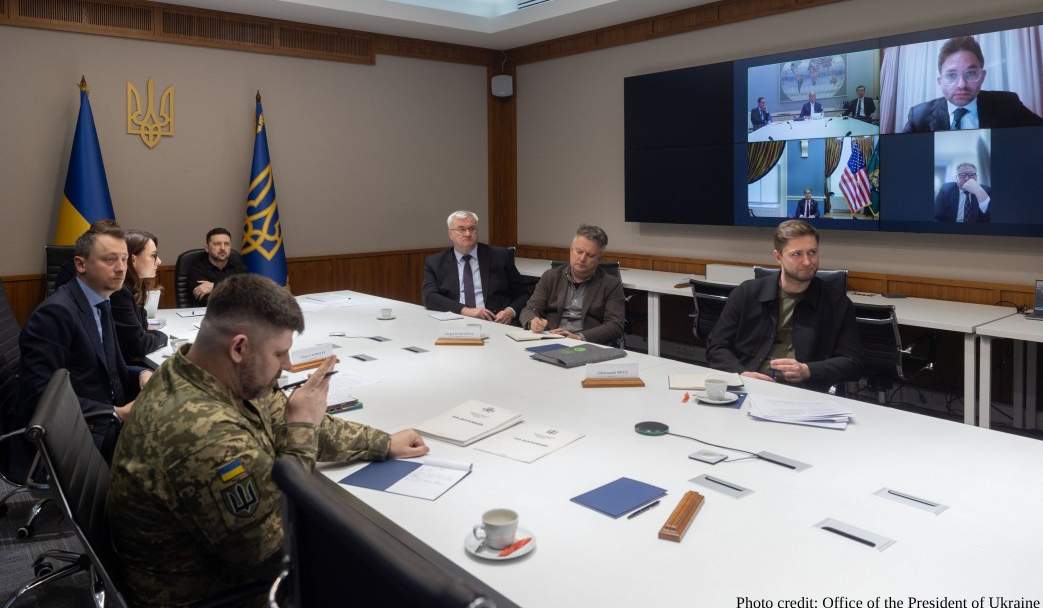
He noted that the territorial issue remains unresolved within the peace negotiations, and it is currently difficult to predict “how it will look in the final documents.”
He stressed that Russia seeks to take control of the entire Donbas – something Ukraine “cannot accept.”
“The Americans are searching for some format. They discussed the issue of a ‘free economic zone.’ The Americans call it that, and the Russians call it a ‘demilitarized zone,'” the president elaborated.
The head of the Ukrainian State stressed that Ukraine’s stance is that forces must remain where they are now along the line of contact. According to the President, the U.S. side recognizes the gap between Ukraine’s and Russia’s positions and is offering a “compromise.”
“They see Ukrainian troops leaving the territory of Donetsk Oblast, and the supposed compromise is that Russian troops do not enter this part of Donetsk Oblast. Who would govern this territory, which they already call a ‘free economic zone’ or a ‘demilitarized zone,’ they do not know. This is more or less how the compromise vision of the United States looks at the moment.”
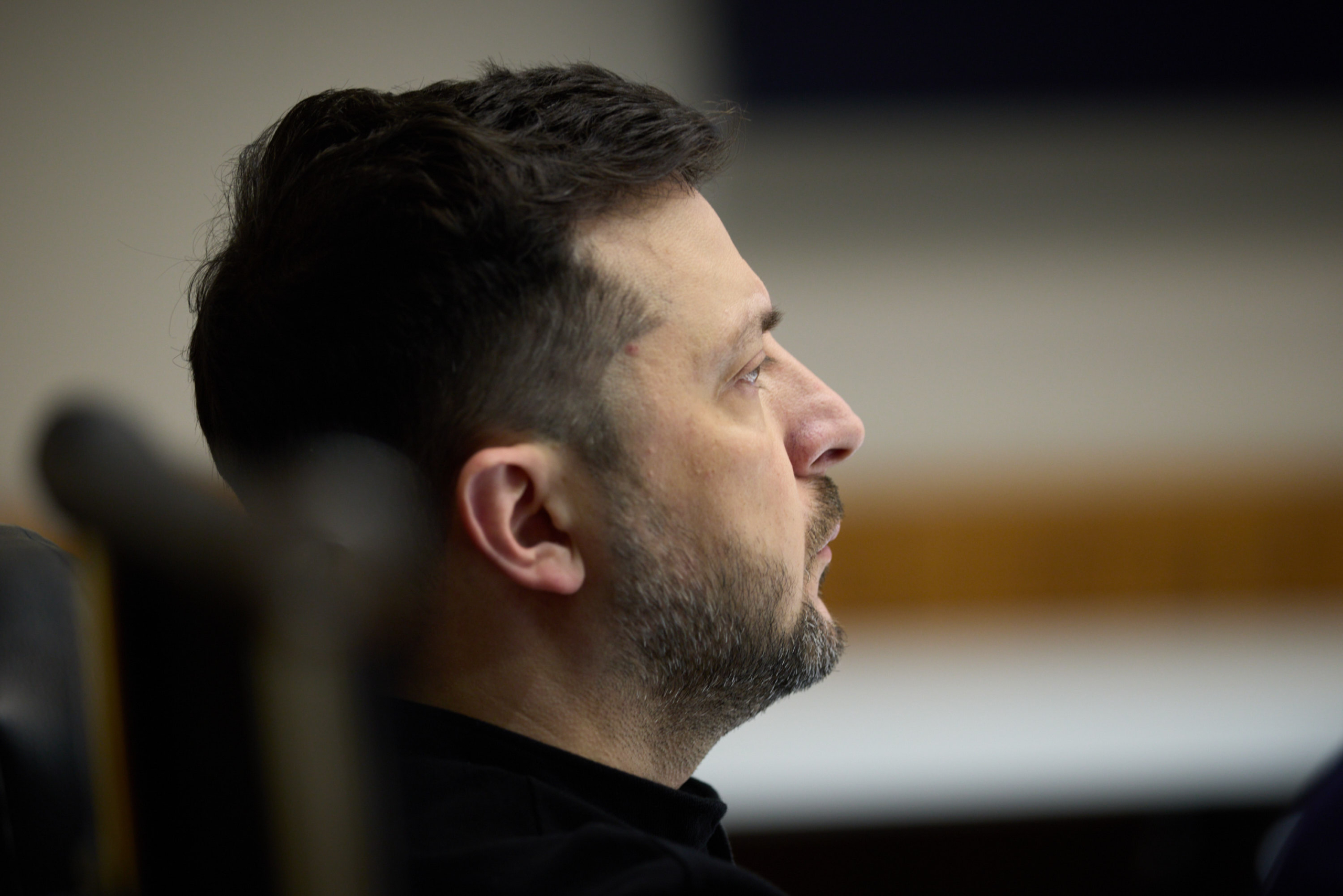 Volodymyr Zelenskyy
Zelenskyy emphasized that Ukraine may not accept such a proposal, because “when you talk to us about compromise, you must offer a fair compromise.”
“We need to continue the conversation and try to find answers to all the questions in a way that makes everything more adequate. For example, these forces step back 5 km, and the others also step back 5 km. If one side pulls back 10 km, then the other must do the same. And as in all wars, there must be some form of monitoring,” he stressed.
He also noted that the issue of territories must be decided by the Ukrainian people – either through elections or a referendum.
“I believe that the people of Ukraine will answer this question — either in the format of elections or in the format of a referendum, but there must be a position of the people of Ukraine.”
The Ukrainian President also added that much now depends on the situation at the front lines and the capabilities of the Ukrainian military.
“Let us see how all this will unfold further. Right now, in fact, a lot depends, I believe, on our armed forces — on what the Ukrainian military can hold back, how they can stand, and where they can destroy the occupier. This affects the entire diplomatic framework,” he added.
On December 11, Volodymyr Zelenskyy announced on X that he held talks with an American team regarding security guarantees for Ukraine.
According to the President, from the United States of America, there were Marco Rubio, Pete Hegseth, Steve Witkoff, Jared Kushner, Generals Keane and Grynkewich, and Josh Gruenbaum. Zelenskyy expressed gratitude to Mark Rutte, who represented NATO.
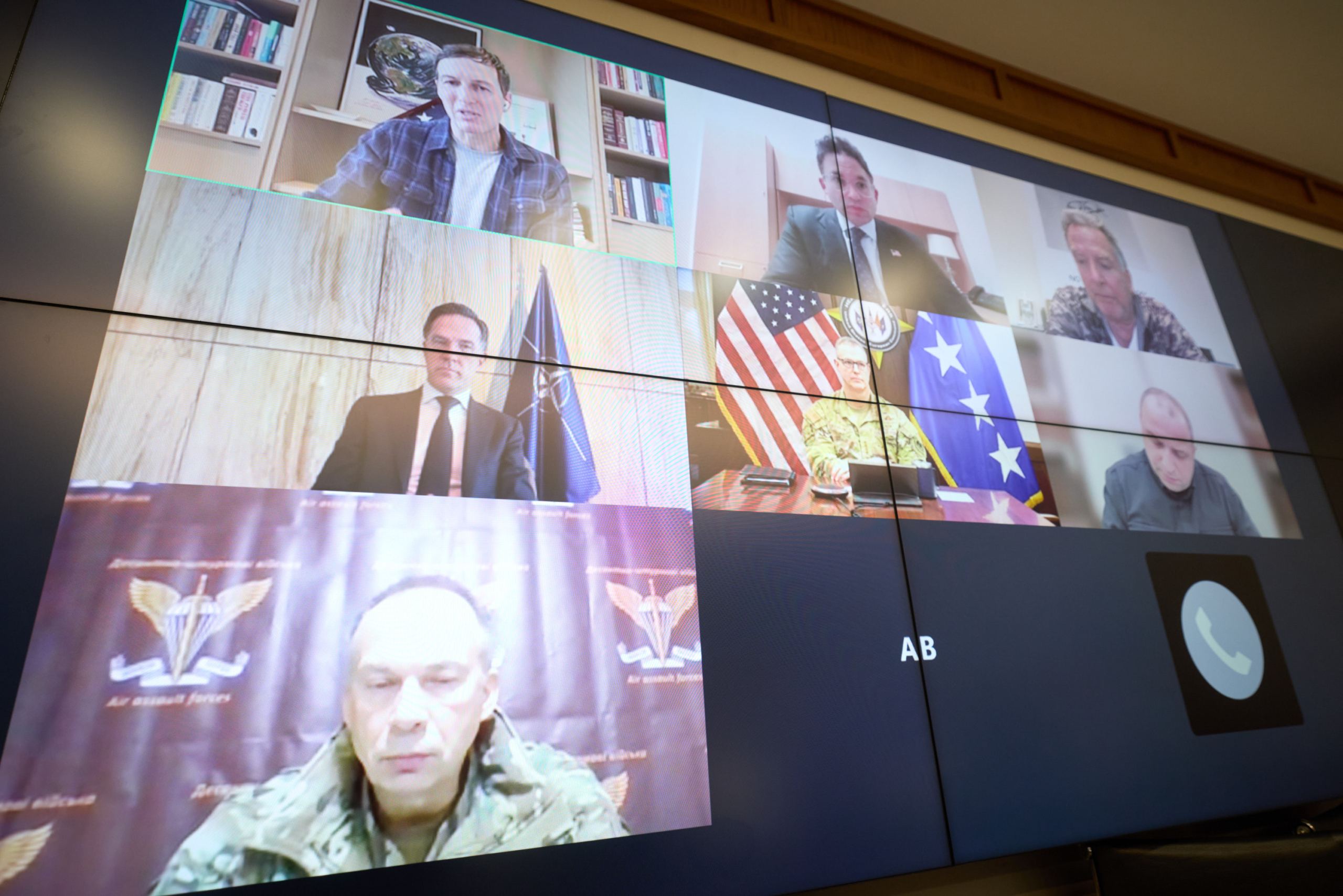
He emphasized that security guarantees are one of the most crucial elements for all subsequent steps.
“We already had the negative experience of the Budapest Memorandum. Everyone remembers this, just as they remember that Russia has repeatedly violated all its other obligations,” Zelenskyy noted. “Therefore, it is important now that this document on security guarantees contains concrete answers to what worries Ukrainians most: what the partners’ actions will be if Russia decides to come with its aggression again.”
According to Zelenskyy, it was agreed that the teams would work actively to reach a concrete understanding regarding security guarantees in the near future.
Earlier, eight Ukrainian human rights organizations called on all parties in the negotiation process to consider the interests of Ukrainian citizens living in the temporarily occupied territories (ТОТ) of Ukraine. In a joint statement, the organizations underlined the fact that ensuring the rights and interests of TOT residents must be part of the agreements within the negotiation process. The organizations also presented a ten-point list of specific steps that the occupying authorities must implement.
Among the specific steps that should be part of the negotiation process, the organizations highlighted:
- Release of all civilians arbitrarily detained by representatives of the Russian armed forces or the occupation authorities;
- Cessation of Russia’s unlawful practice of criminal and administrative persecution and detention of Ukrainian citizens in the TOT of Ukraine, which is used as an instrument of intimidation and political pressure;
- Determining the temporary line of contact and establishing temporary checkpoints to allow entry and exit from the TOT of Ukraine to areas that are controlled by the Ukrainian government and vice versa (humanitarian corridors);
- Granting humanitarian access for international organisations to the TOT of Ukraine by the Russian Federation, with the possibility of direct humanitarian assistance to Ukrainian citizens;
- Providing available information and access to the TOT of Ukraine to search teams to establish the location of persons missing under special circumstances;
- Ensuring the presence of international observation (monitoring) missions in all TOT of Ukraine, in particular to monitor the human rights situation;
- Demining of settlements and civilian infrastructure in the TOT of Ukraine;
- Ensuring that Ukrainian citizens can reside in the TOT of Ukraine without the need to obtain a Russian passport or any other documents granting the “right to reside” in the TOT of Ukraine, in accordance with the Russian legislation illegally extended to the TOT of Ukraine;
- Ensuring unimpeded access of Ukrainian citizens in the TOT of Ukraine to medical services, social and pension benefits, education, property rights, and freedom of movement, and independent sources of information;
- Ensuring that residents of the TOT of Ukraine who have been forcibly displaced to the territory of the RF or within the TOT of Ukraine are able to return to their homes or leave for the territory controlled by the Government of Ukraine.
Any delay in the liberation of the territories temporarily occupied by Russia will lead to the complete destruction of Ukrainian and Crimean Tatar identities there, Alena Lunova, advocacy director of the ZMINA Human Rights Center, stated live on “Radio Nakypilo.”
The human rights advocate called a proposal to discuss the de-occupation of the temporarily occupied territories in 49 years, as was voiced during talks with the aggressor country, unacceptable. She noted that the aggressor nation, in violation of international law, is demanding that Ukrainian citizens in the occupied territories obtain Russian passports or a foreigner’s document, among other things.
-
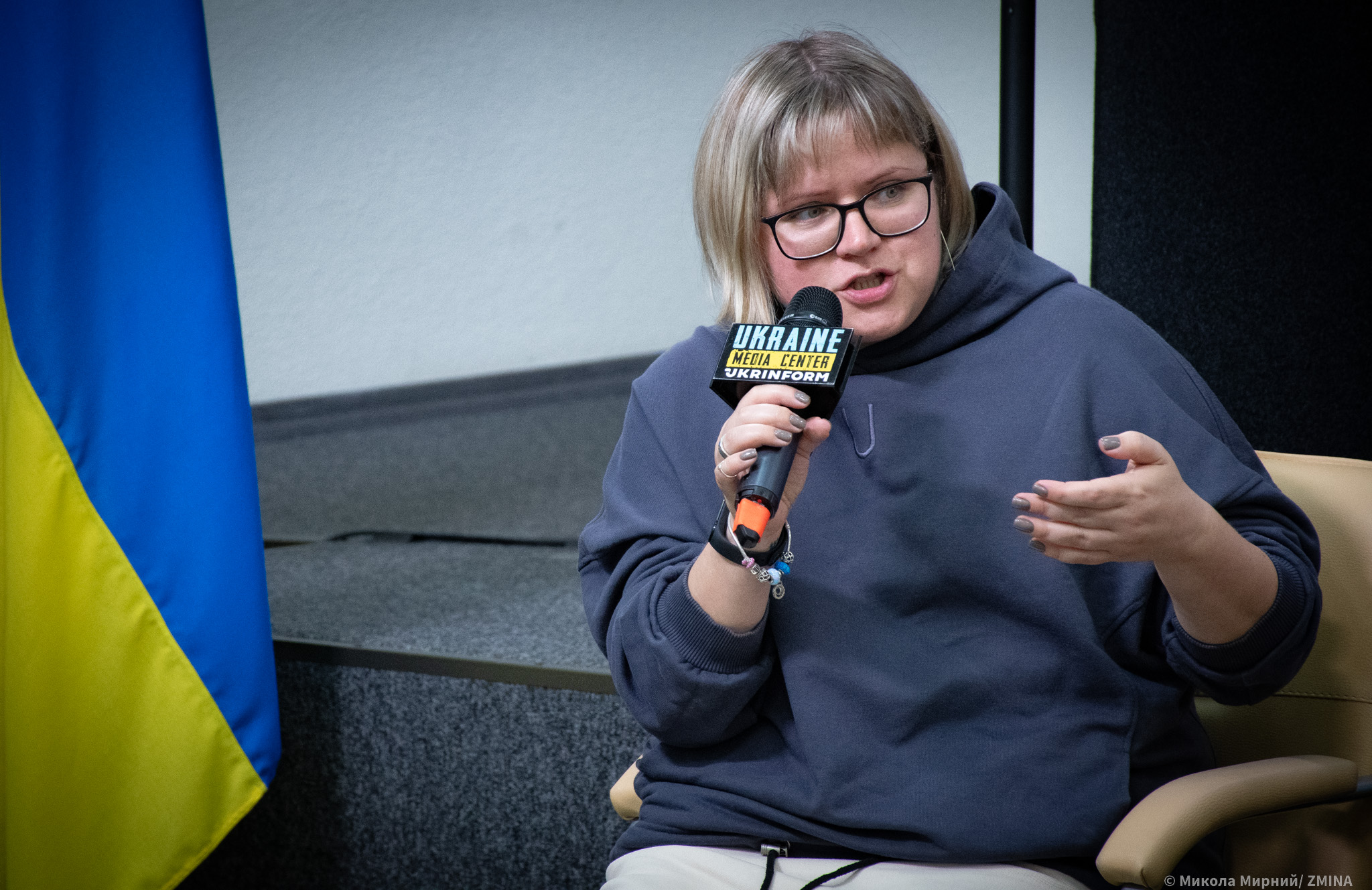 Alena Lunova
Keep up with ZMINA on X and LinkedIn – and help us improve by answering a few quick questions here about our English-language coverage.