Ukrainian men submitted 70% of applications for interim reparations for victims of sexual violence during the Russia’s war – Global Survivors Fund
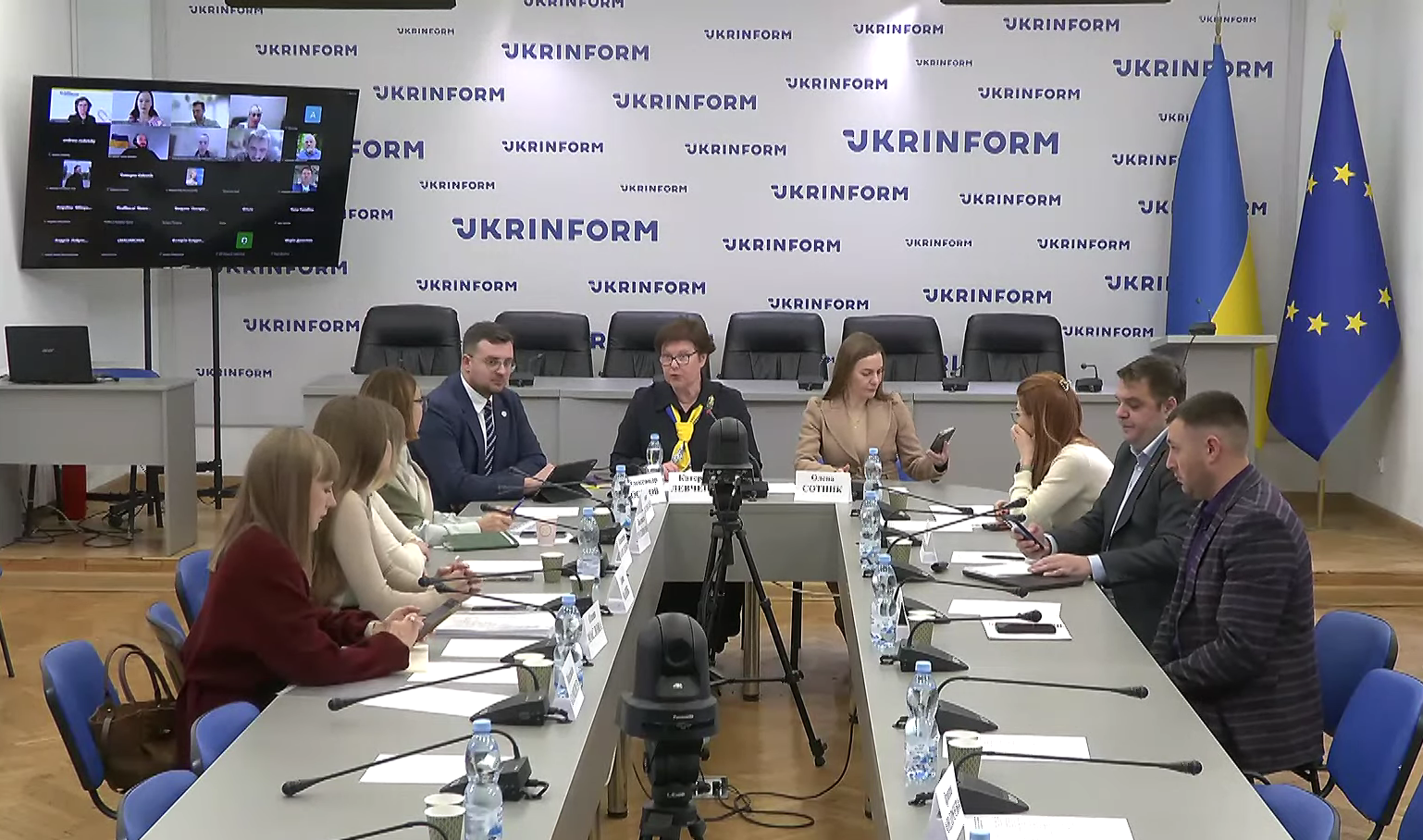
The pilot project providing interim reparations to CRSV survivors was launched in March 2024. Each survivor of conflict-related sexual violence received a payment of €3,000. The reparations were paid by the Global Survivors Fund, which is funded by national governments and other donors.
During the pilot project’s operation, 1,080 individuals were recognized as eligible for the interim reparation payments.
Nearly 40% of applications were received through survivor networks, while 50% came through partner organizations and service providers.
“This is a very important indicator of the fostering of trust and the work of survivor-led organizations that provide mutual support,” Dunebabin noted.
The fund received nearly 9% of all applications from law enforcement and state bodies, specifically the Office of the Prosecutor General and the Office of the Ombudsman. At the same time, very few people reached out via hotlines.
The highest number of survivors applied from the Kherson, Donetsk, and Kharkiv Oblasts.
“One hundred survivors voluntarily participated in a survey regarding the use of payments. The first priority for them is meeting basic needs. This refers to simple medicine, perhaps food, and the purchase of essential items for the family,” the GSF representative explained.
In second place are housing restoration, medical needs, and investing in retraining or the purchase of tools.
“One of the survivors purchased equipment for drone pilot training to join the Armed Forces of Ukraine and defend the country,” Dunebabin shared.
According to him, the pilot project for interim reparations allowed CRSV survivors to feel that they were not abandoned — they see support from both the government and international partners. In particular, many noted that receiving letters of recognition was important to them.
In November 2024, the Ukrainian parliament adopted a law defining the status of individuals who suffered from sexual violence related to the Russian Federation’s armed aggression against Ukraine and providing them with urgent interim reparations. The law came into force on June 18, 2025.
Currently, the state has not yet “picked up” the mechanism developed during the pilot project. Deputy Minister of Social Policy Liudmyla Shemelynets stated that the ministry is currently actively working on the bylaws:
“We have processed the proposals provided by the working group, including amendments to the law, and the bylaws and regulations have undergone expert review by the public. As of today, we already have a version ready to be sent to central executive authorities,” she said.
Among the issues being refined at the ministry are the implementation stages of the mechanism, funding sources, and the procedure for payments to CRSV survivors.
Fedir Dunebabin explained that the fund, with the involvement of legal experts, will participate in developing a mechanism for implementing aid to CRSV survivors within state policy. Specifically, this will include training specialists and creating manuals.
To provide background, ZMINA previously reported that released civilian men who survived conflict-related sexual violence do not receive adequate rehabilitation and medical assistance from the state. Human rights activists from the “Vypusnyky“ organization shared this information.
Since the beginning of the full-scale invasion, prosecutors have recorded 372 cases of conflict-related sexual violence. Nineteen Russian occupiers have been sentenced to prison.
In February 2025, the Ministry of Social Policy announced that it was drafting bylaws, developing a roadmap for CRSV survivors, and creating a mechanism for obtaining reparations and rehabilitation.