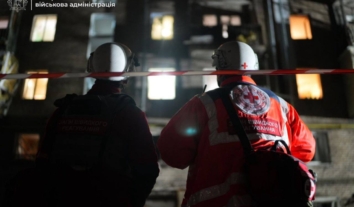
Ukrainian civilians and militaries killed in Russian ballistic missile attack on Huliaipole, Zaporizhzhia Oblast
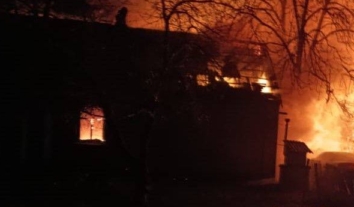
The Russian military struck the town of Huliaipole in the Zaporizhzhia Oblast with two ballistic missiles on July 1, 2025, killing and injuring civilians, according to the Defence Forces of Ukraine’s South.
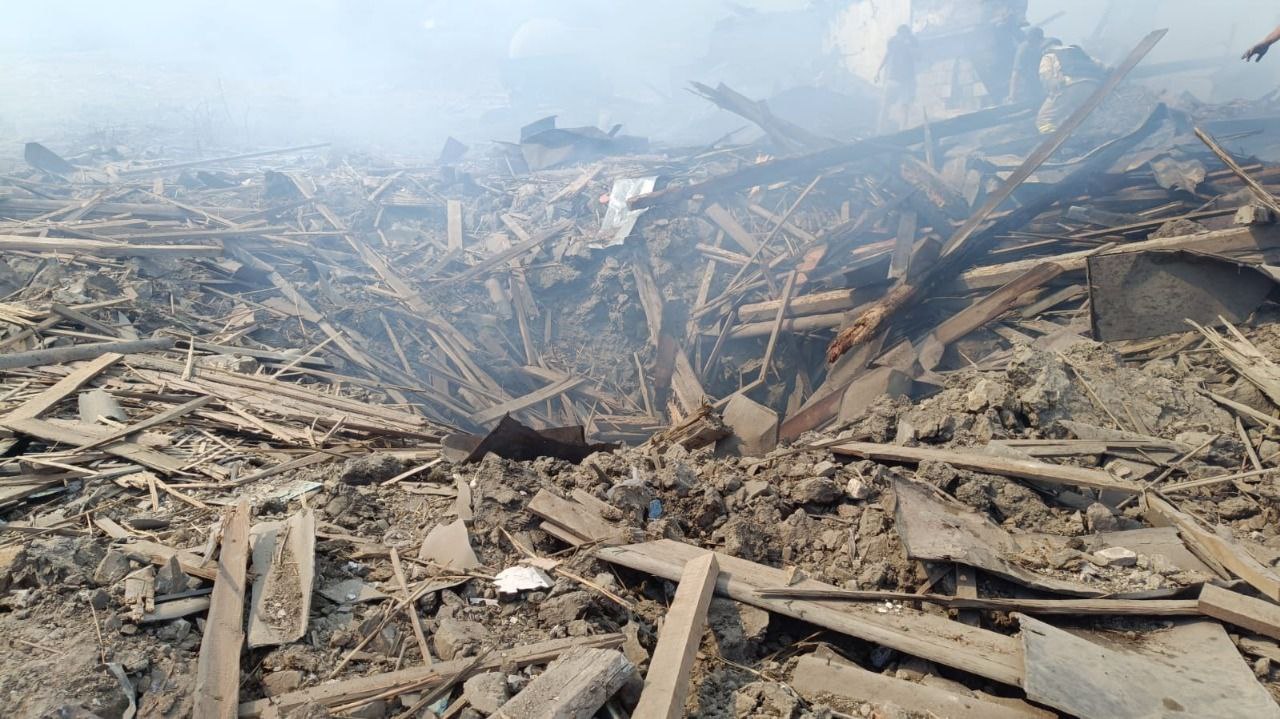
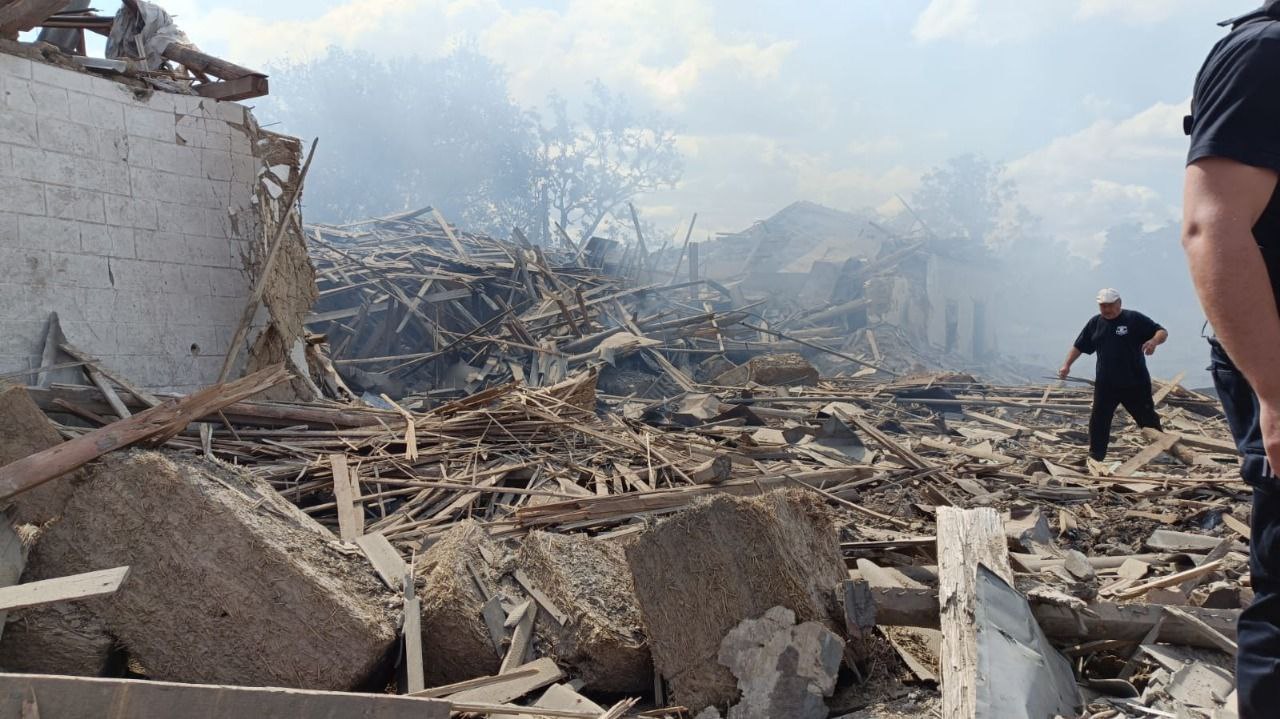
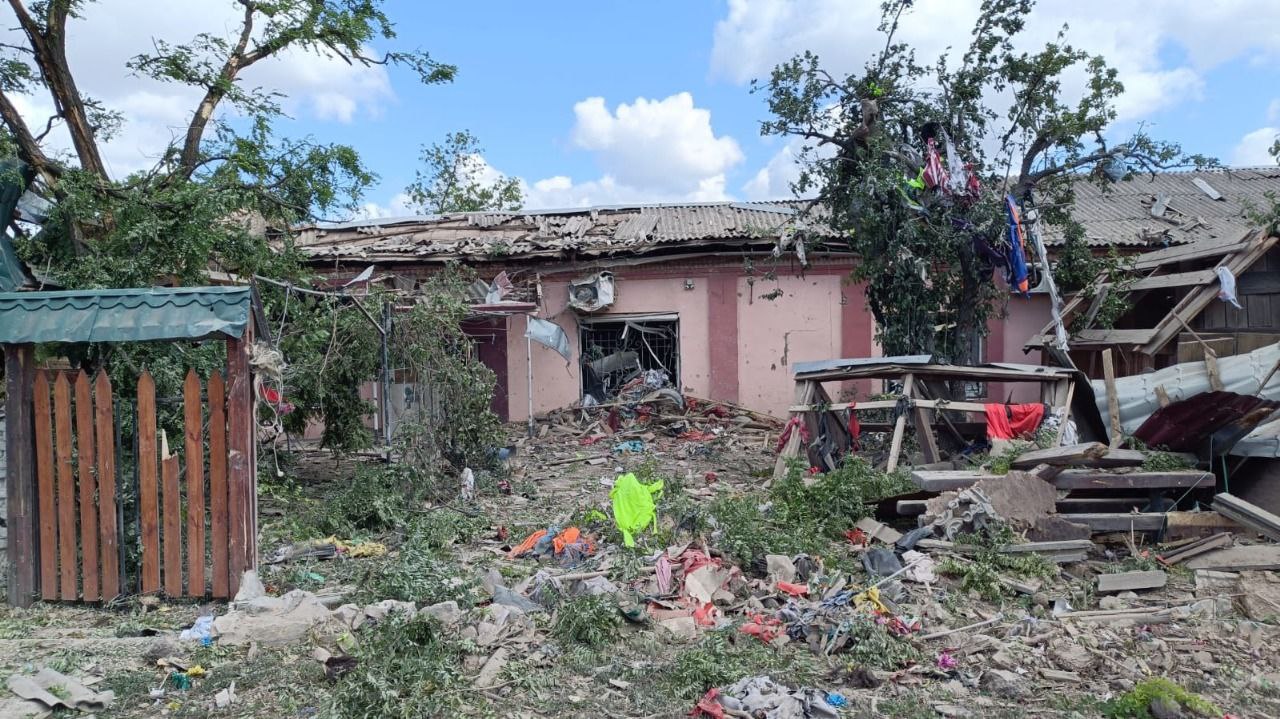
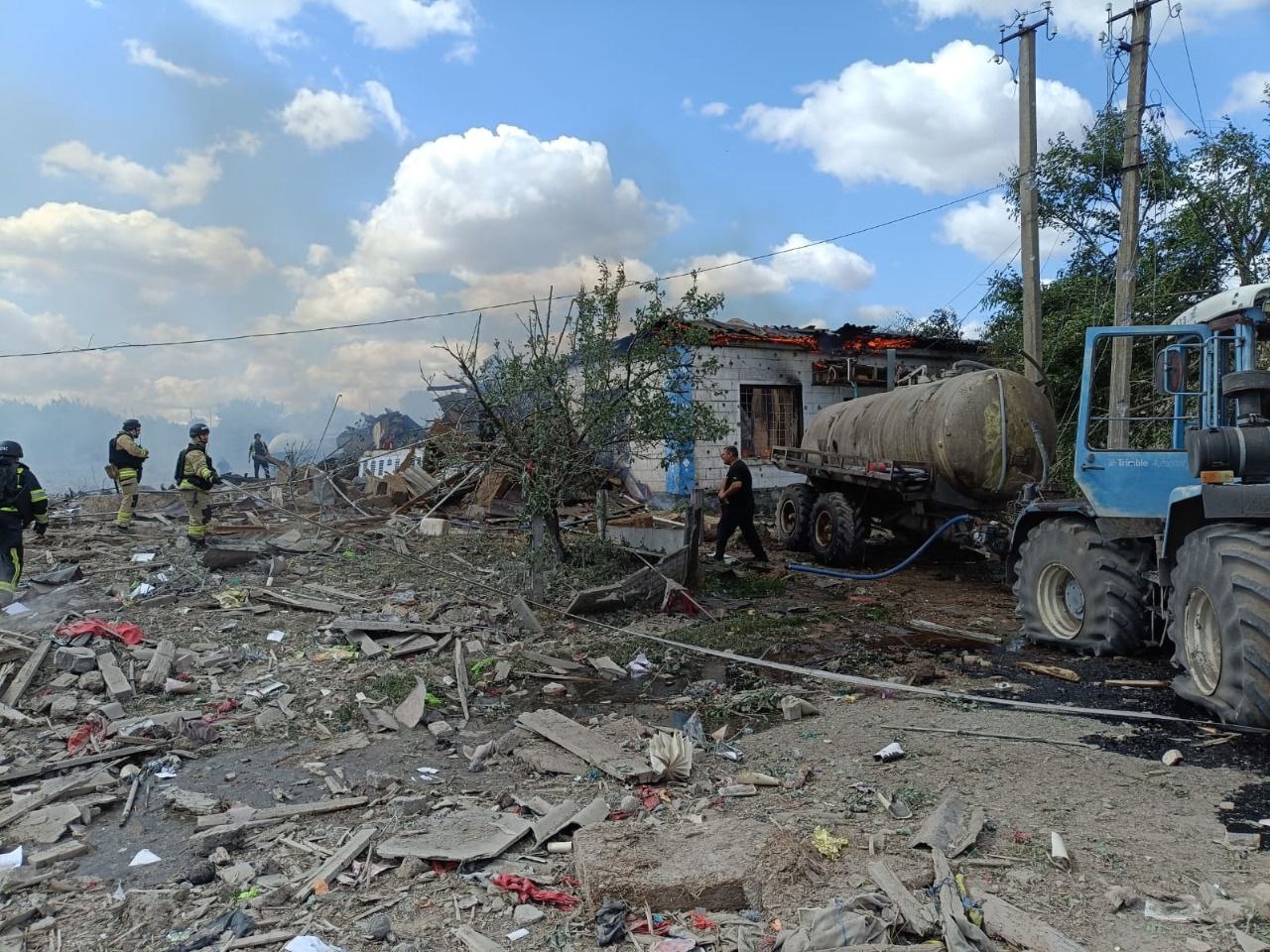
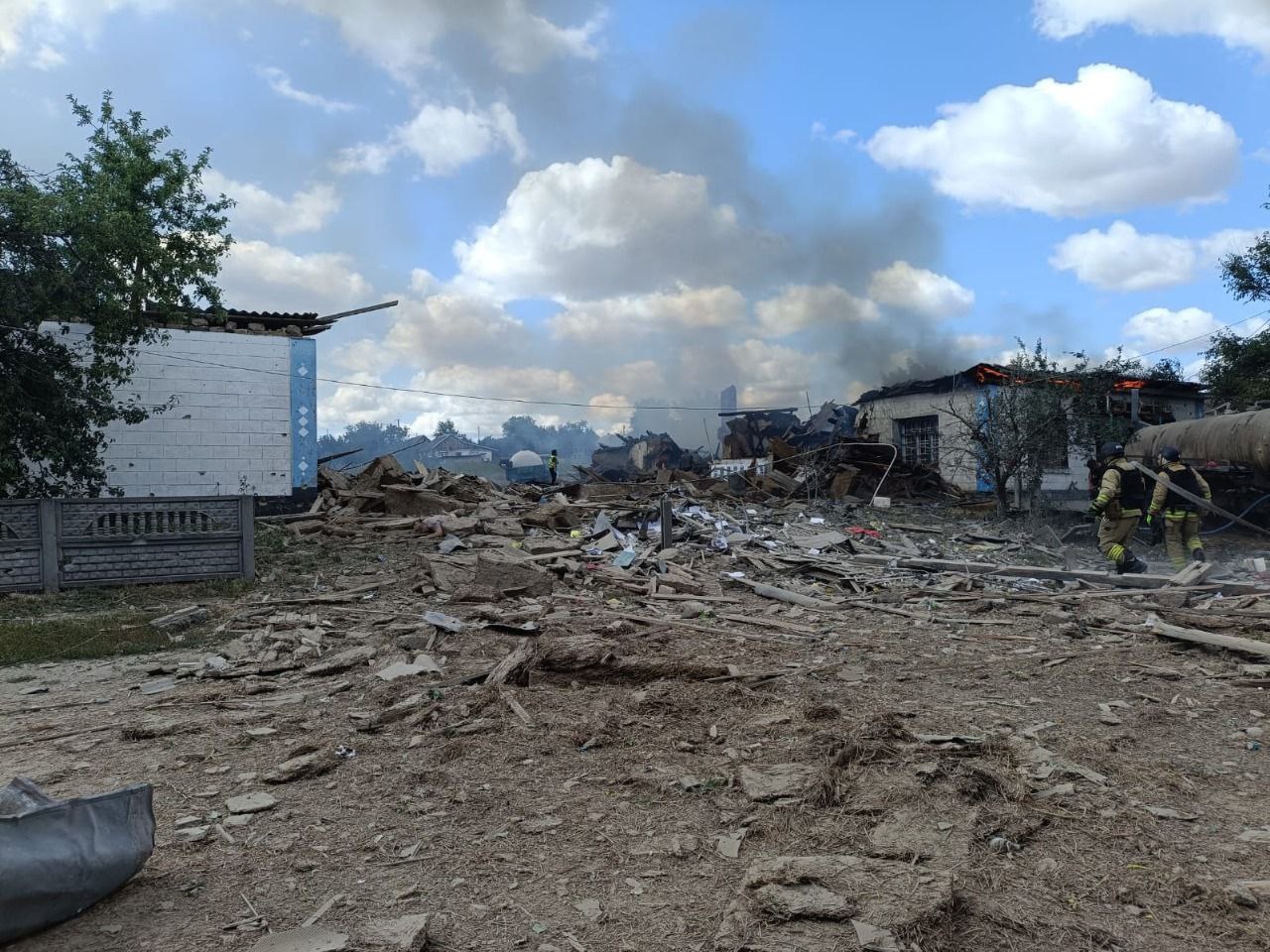
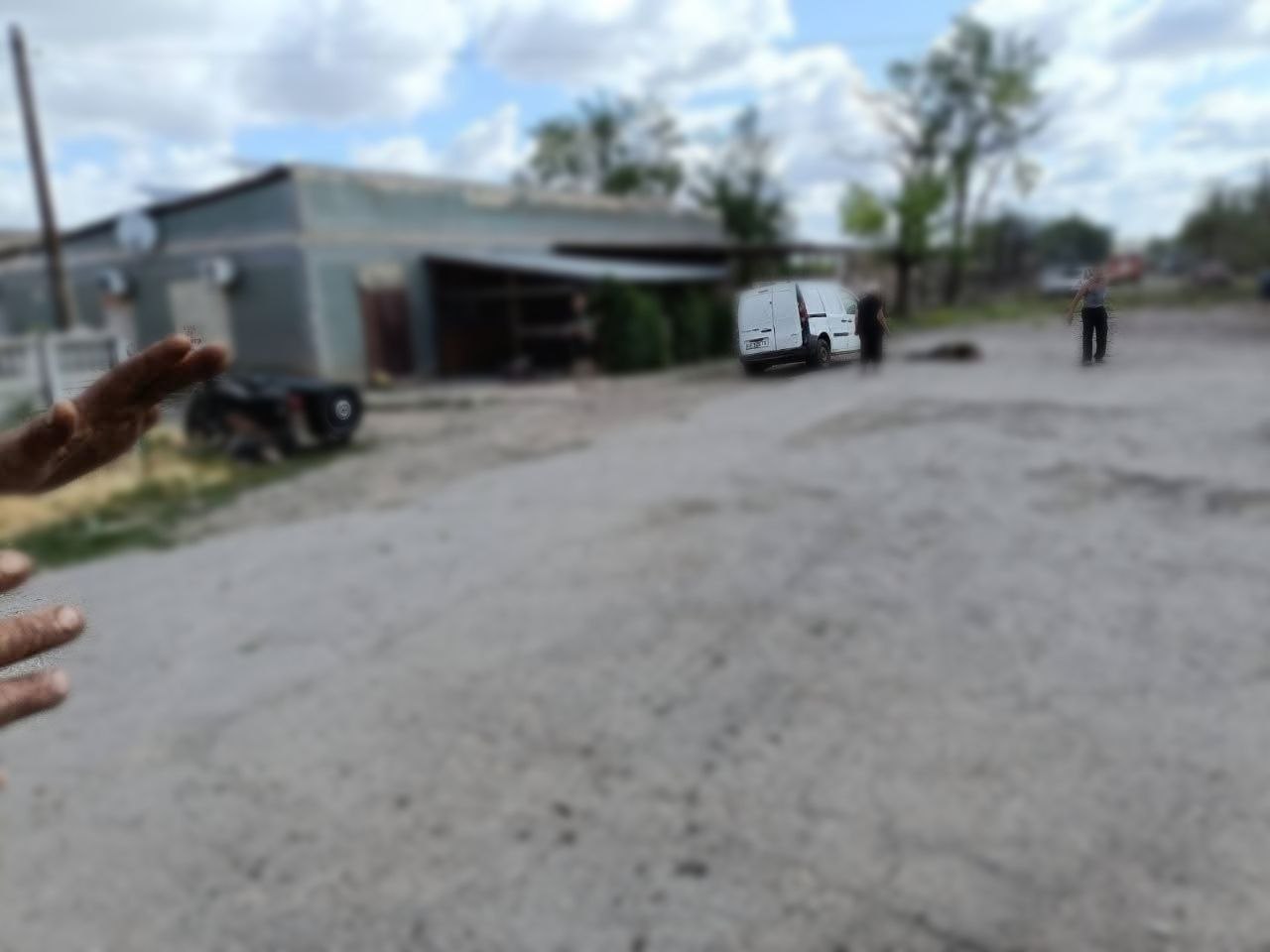
“On July 1 at 9:15 a.m., Russian forces launched a missile strike on the town of Huliaipole in Zaporizhzhia Oblast. Early reports indicate that two ballistic missiles, likely of the Iskander-M type, were used,” the statement reads.
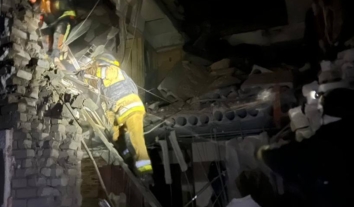
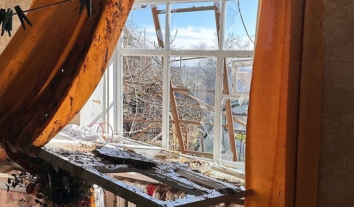
The Russian attack destroyed a community arts center, two shops and damaged homes.
President of Ukraine Volodymyr Zelenskyy reported that the commander of the 110th Brigade, Serhii Zakharevych, was killed in a Russian missile strike on Huliaipole.
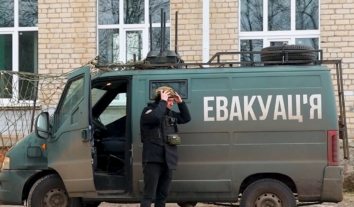
According to his evening address, military personnel were killed there, and over 30 people were injured.
“Today, the clearing of rubble after the strike on Huliaipole continued all day. Unfortunately, there are casualties – both military and civilian. The commander of the 110th Separate Mechanized Brigade, Colonel Zakharevych, was killed, along with other guys from the brigade. My condolences to all their relatives and loved ones,” the president said.
Previously, an investigation of the Kyiv Independent revealed that Russia produced over 700 Iskander-M ballistic missiles in 2024 alone — three times more than in 2023. Journalists pointed out that imports of equipment from China, Taiwan, and Belarus facilitated this surge, with deliveries carried out through intermediaries.
Russia designated the Votkinsky Plant as the main site for the expansion program. The enterprise that assembles Iskander, Yars, Bulava, and likely Oreshnik missiles began receiving new equipment in 2023, including CNC metal-cutting machines, which are critical for manufacturing missile components.
While Western restrictions prohibit the sale of such equipment to Russia, the plant circumvented the sanctions using a network of intermediaries. Little-known private Russian companies carried out the supplies, such as Ural Machine Tool Company and Kaurus Alliance. China served as the main source of imports — out of 10 identified contracts, 8 involved the Chinese mainland. Taiwan and Belarus provided separate supplies.
Meanwhile, the plant expanded physically: workers built two new workshops, the facility purchased more than 7,000 pieces of equipment, and the company hired 2,500 additional employees.
According to Ukrainian military intelligence, Russia had stockpiled at least 900 Iskander missiles by June 2025 — 600 Iskander-M missiles and 300 Iskander-K missiles.
Earlier, Bohdan Bernatskyy, a member of the Sanctions Policy Working Group of the Crimean Platform Expert Network, revealed at the Third Parliamentary Summit in Latvia that over 1,300 Russian military companies and 2 million industrial workers continue to operate, many without international restrictions.