Ukraine will propose a roadmap for achieving a sustainable peace settlement during the negotiations with Russia in Istanbul
The Ukrainian delegation will propose a clear roadmap for achieving a sustainable peace settlement during the negotiations with Russia in Istanbul on June 2, 2025.
According to Reuters, Ukraine’s plan envisages the following:
- a full ceasefire for at least 30 days, to be monitored by the United States and “third countries”;
- a subsequent exchange of prisoners based on the “all for all” formula, the release of civilian hostages by Russia, and the return of abducted Ukrainian children.
After that, a meeting between Ukrainian President Volodymyr Zelenskyy and Russian ruler Vladimir Putin is proposed “to agree on the key aspects of a final peace settlement.”
Reuters reports that Ukraine’s demands include a complete cessation of hostilities, security guarantees, territorial issues, compensation for damage caused by Russia, and sanctions in the event of any breach of the agreement.
The document also states that Ukraine rejects any ban on joining NATO or the EU, any restrictions on the size of its Armed Forces, or any ban on the deployment of foreign troops on its territory.
Additionally, Ukraine declares it does not recognize any territory occupied by Russia since 2014 and proposes using the current line of contact as the “starting point for negotiations” between the parties.
The document allows for the lifting of “certain sanctions” against Russia, “but gradually and with a reinstatement mechanism if necessary,” and suggests using frozen Russian assets either to pay reparations to Ukraine or as a guarantee of such payment.
Meanwhile, Zelenskyy approved the composition of Ukraine’s delegation for talks with Russia in Istanbul on June 1, expanding it to 14 members from the 12 delegates who participated in the first round of negotiations.
According to the decree of the President of Ukraine, Defence Minister Rustem Umerov will again lead the delegation.
Zelenskyy also included the following officials in the delegation:
- Oleksandr Bevz, adviser to the Head of the Office of the President;
- Oleksandr Diakov, Deputy Chief of Staff of the Naval Forces Command of the Armed Forces of Ukraine;
- Serhii Kyslytsia, First Deputy Foreign Minister;
- Yurii Kovbasa, representative of the Ukrainian Parliamentary Commissioner for Human Rights in the security and defense sector (by consent);
- Heorhii Kuzmychov, protocol officer of the Office of the Commander-in-Chief of the Armed Forces of Ukraine;
- Oleh Luhovskyi, First Deputy Head of the Foreign Intelligence Service;
- Yevhenii Ostrianskyy, Deputy Chief of the General Staff of the Armed Forces of Ukraine;
- Oleksandr Poklad, Deputy Head of the Security Service of Ukraine;
- Vadym Skibitskyy, Deputy Head of Defence Intelligence of Ukraine
- Andrii Fomin, Head of the International Law Division, Deputy Head of the Department of International and Operational Law, Central Legal Directorate of the General Staff;
- Oleksii Shevchenko, Deputy Chief of the General Staff of the Armed Forces of Ukraine;
- Oleksandr Sherikhov, senior officer of the Main Operational Directorate of the General Staff;
- Yevhen Shynkarov, Deputy Chief of Staff of the Air Force Command;
The current delegation excludes Oleksii Malovatskyi, who participated in the negotiations on May 16.
Zelenskyy has added three officials who were absent from the May 16 meeting: Fomin, Kovbasa, and Ostrianskyy.
On the afternoon of June 1, Zelenskyy announced that the Ukrainian delegation, led by Defence Minister Rustem Umerov, would travel to Istanbul for negotiations or talks. Russian propagandistic news agencies reported that their delegation had departed for Türkiye.
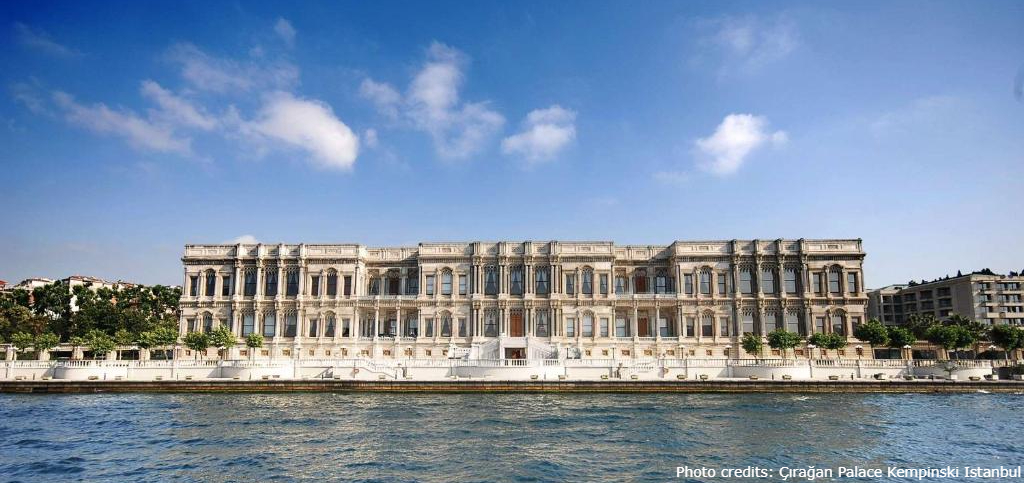
Sources told the Turkish news agency Anadolu that the meeting between the Ukrainian and Russian delegations is scheduled for 13:00 at the Çırağan Palace, a five-star hotel in Istanbul.
Previously, ZMINA reported that on May 28, Umerov had handed Russia a document outlining Ukraine’s position and was awaiting their “memorandum” in response. However, Russia didn’t send its own “memorandum” to Ukraine.